
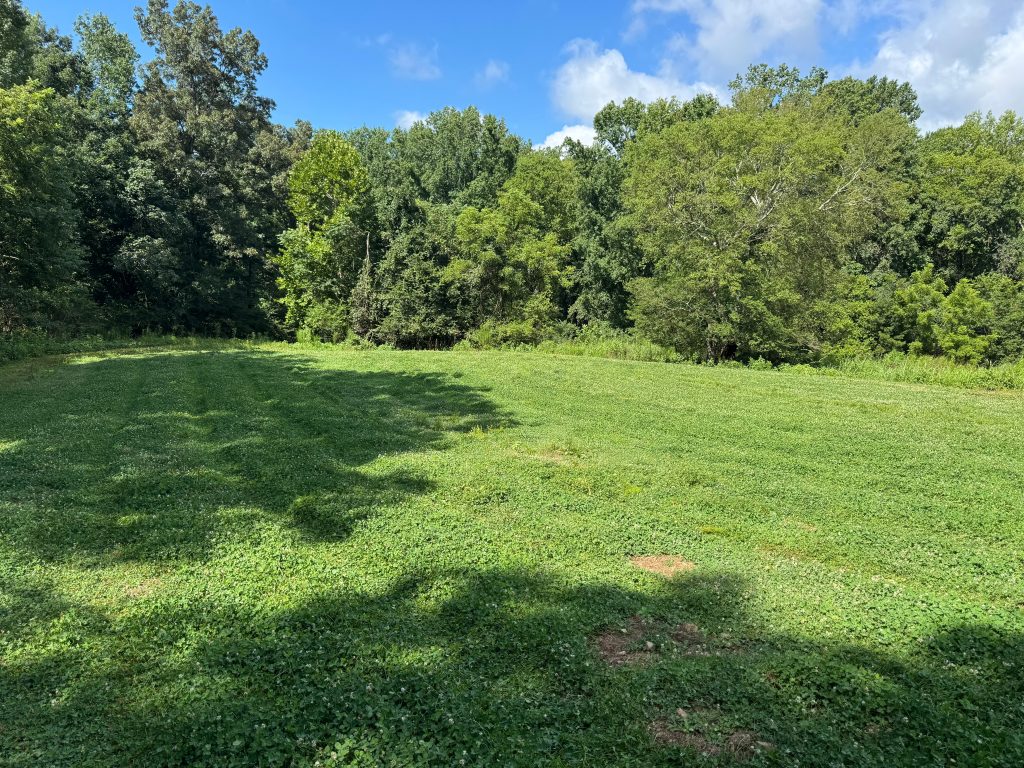
Clover remains one of the most valuable food plot species for whitetail deer and turkeys across the South. It’s high in protein, relatively inexpensive and easy to establish, and once rooted, it can persist year after year. Even more importantly, clover food plots produce quality forage during the spring window when deer herds are recovering from a hard winter and the rut and bucks are beginning new antler growth.
But keeping clover alive and productive is not the hard part, keeping weeds out is. Grasses like ryegrass, wheat regrowth, crabgrass, goosegrass, and johnsongrass can take over quickly. Broadleaf weeds like thistle, ragweed, dogfennel, dock, and yellow rocket move in just as fast. Many landowners respond by mowing constantly or reworking the soil every fall, but both approaches burn time and fuel, and often wind up destroying the very clover they were trying to protect.
The key is learning how to use selective herbicides that remove the weeds while preserving the clover. And that’s where most food plotters either get nervous or have simply never been shown the right process.
This approach has been refined for years by land manager Albert Truesdale, who manages deer habitat in the thin soils and hot summers of North Alabama. Instead of replanting every fall, his strategy is to treat clover as the year-round forage base his herd depends on.
“Once the clover is established, I don’t turn the ground again,” Truesdale explained. “I manage weeds with clethodim, 2,4-DB, and mowing. The clover feeds deer spring through summer, and then I overseed cereal grains in fall without killing the clover. We don’t lose a hunting season, and the nutrition stays consistent.”
Why Clover Is Worth Managing, Not Replanting
Most natural browse in Southern forests contains 6–12% protein. Clover consistently produces 20–30%+ protein and significant tonnage during its growth period. That protein window lines up almost perfectly with peak antler development and gestation: April through August.
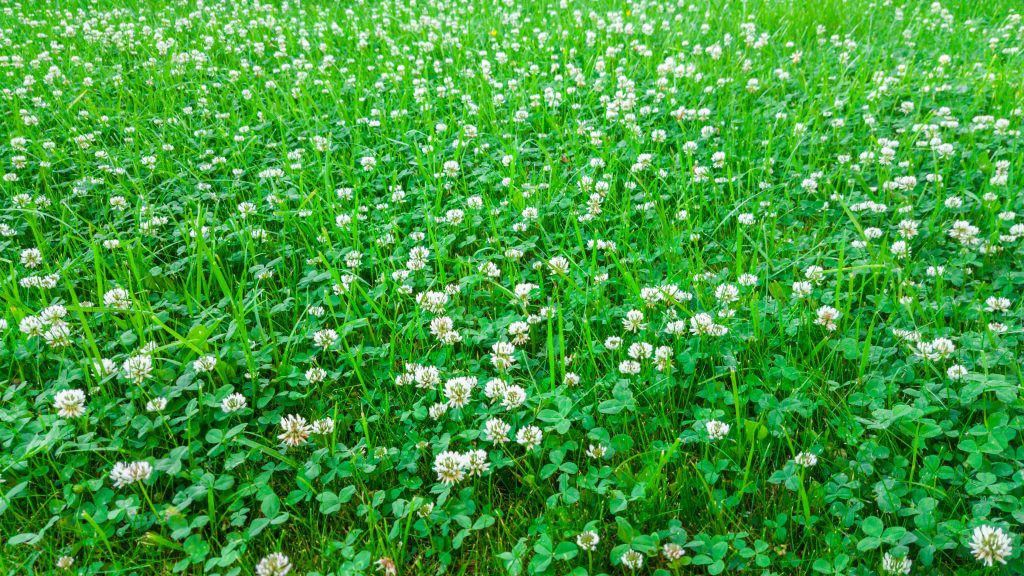
If deer have enough high-quality forage during this stretch, they can express their genetic potential. If they are forced to compete for limited food, their bodies prioritize survival over antler growth. This is the same for does during gestation and lactation. Building a deer to its genetic potential starts in the womb, and your food plots play a critical role in your herd’s overall nutrition. So yes, clover is worth protecting. But protecting it requires using the right tools.
Why You Shouldn’t Use Glyphosate in a Clover Plot
Glyphosate (Roundup) is a non-selective herbicide. Spray it on a clover plot and you kill:
- The grasses you want gone
- The broadleaf weeds you want gone
- And the clover you were trying to keep
Truesdale put it simply:
“I used to walk out in spring, see a beautiful stand of clover, and then I’d spray everything dead because it was ‘time to plant again.’ That never made any sense. Once I realized I didn’t need to kill it, everything changed.”
The goal is not resetting the plot every year—it’s managing what’s already growing well.
The Selective Herbicides That Protect Clover
Clethodim: Controls Grasses Without Hurting Clover
Clethodim is a grass-selective herbicide. It controls:
- Volunteer wheat/oats/rye leftover from fall blends
- Annual ryegrass
- Crabgrass, goosegrass & bahia
- Johnsongrass
It does not harm clover. However, it must be mixed with a crop oil concentrate (COC) for proper absorption.
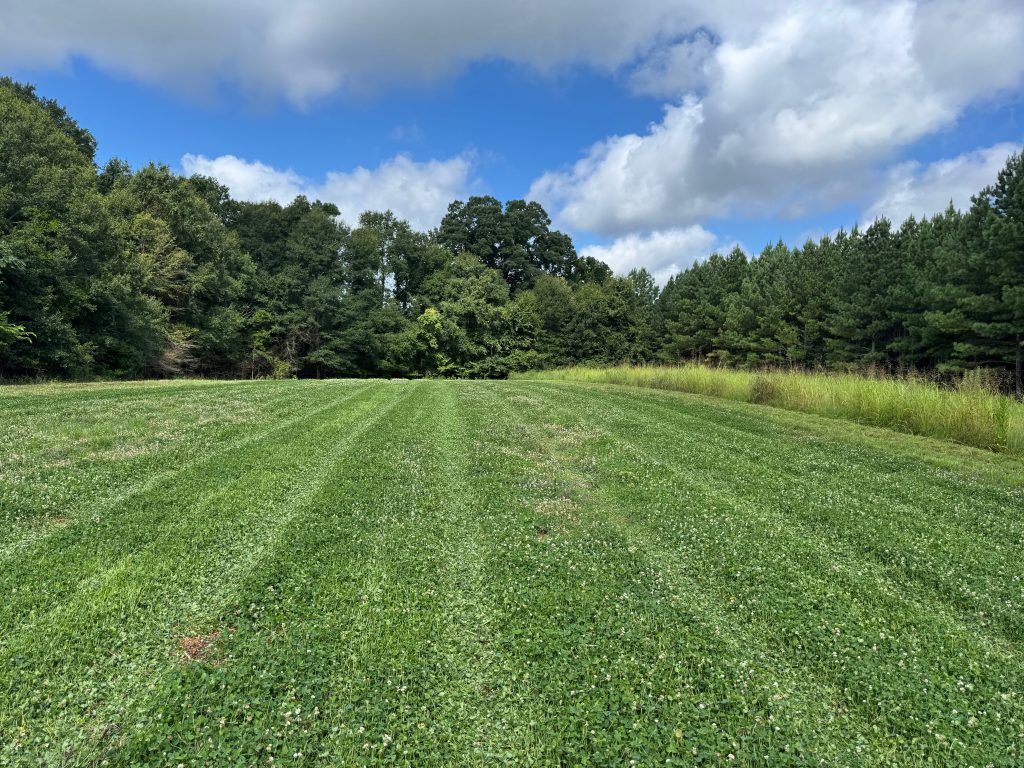
Truesdale noted:
“The first spray every spring is clethodim. As soon as the grasses get a few inches above the clover canopy, I spray. In about 10 days, the grasses are gone and the clover explodes with growth.”
2,4-DB (Butyrac 200): Controls Broadleaf Weeds Without Killing Clover
This is not the same as 2,4-D.
- 2,4-D WILL kill clover
- 2,4-DB (Butyrac) WILL NOT kill clover
Used properly, 2,4-DB controls:
- Thistle
- Yellow rocket
- Dogfennel
- Ragweed
- Many spring and summer broadleaf weeds
Spray when clover is actively growing and weeds have enough leaf surface to absorb spray.
Seasonal Clover Management Schedule
As Truesdale emphasized:
“With this program, you don’t lose a hunting season. You hunt cereal grains in fall and winter, and you transition back into clover dominance for spring and summer nutrition.”
Keep in mind, the schedule above is based on Southern climates. Adjust this for your climate.
Where to Get Clethodim and 2,4-DB
Finding Clethodim and Butyrac in agricultural quantities isn’t as simple as finding glyphosate. Over the last couple of seasons, I’ve had great success ordering mine online through Chemical Warehouse, along with the correct crop oil concentrate. Having these herbicides shipped straight to my door saved me running around to various retailers trying to locate what I need, and in most cases, they were having to order it into their store anyway.
Final Takeaway
With selective herbicides and light mowing, clover food plots can last multiple years, save money, and provide the nutritional foundation that drives:
- Better doe (and fawn) health
- Stronger antler development
- More predictable wildlife use
Clover isn’t just another food plot, it’s the backbone of a long-term habitat program. Manage it, don’t restart it.