
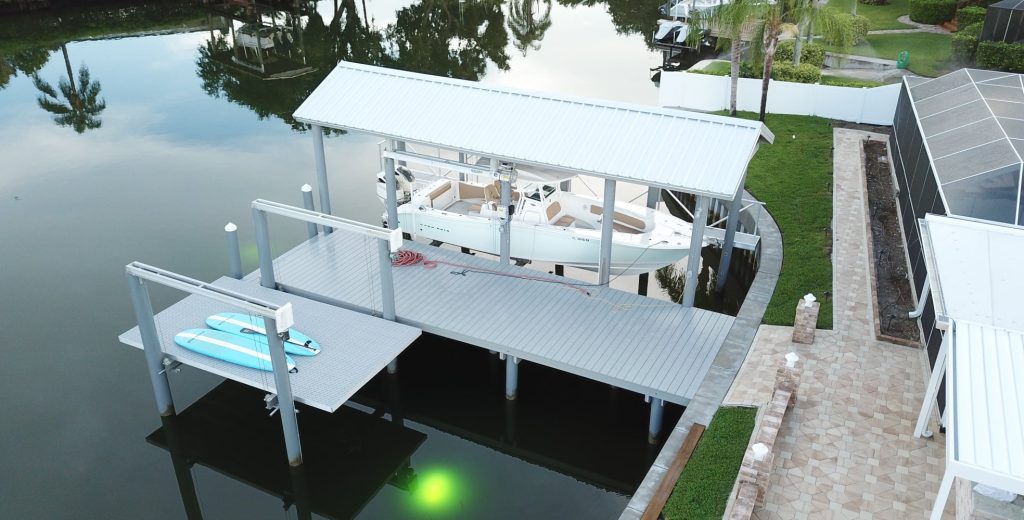
A boat dock is the final touch on a waterfront property. However, it’s also a significant expense, often adding tens of thousands of dollars to the total investment. Is the cost worth it long-term? Which dock construction materials provide the best return on investment (ROI)? Here are some key factors to consider when planning your dock.
When considering the addition of a boat dock to your waterfront property, it’s essential to consult with experienced professionals to ensure a sound investment. One such expert is Ryan Vess, a partner at Art Marine LLC, a company dedicated to providing top-tier marine construction services. Art Marine emphasizes delivering the highest quality marine equipment and strives to complete every project on time, catering to the unique needs of each homeowner.
With extensive experience in dock construction, Ryan has been featured in various media outlets, sharing his insights on planning and building durable docks. His expertise encompasses understanding the permitting process, selecting appropriate materials, and ensuring structural integrity to withstand harsh weather conditions.
By consulting with professionals like Ryan, you can make informed decisions about dock construction materials and design, ultimately achieving the best return on your investment.
Key Factors in Dock Construction
A well-built and attractive dock enhances property value, benefiting your family while increasing resale appeal.
Real estate agents estimate that a quality dock can boost property value by 10-20%, or even more, depending on the dock’s size, location, and the body of water it accesses. In some high-demand coastal areas, a dock’s value may surpass that of the home itself.
However, not all docks add the same value. Ryan emphasizes that the quality of construction is critical. An aging, unstable structure can deter potential buyers, signaling costly future repairs or replacements. Well-built docks, on the other hand, not only add value but also stand up better to storms and daily wear, reducing maintenance costs over time.
Planning and Permitting Considerations
Before choosing materials or a design, it’s crucial to consider the permitting process. Dock construction is heavily regulated, and requirements vary by state, county, and even municipality. Some areas, like Walton County, Florida, have relatively simple rules for docks under 1,000 square feet, whereas other locations require extensive environmental impact studies.
Vess advises homeowners to consult with a professional early in the planning process. Experts can assess riparian lines, setback requirements, and environmental factors before finalizing a design, helping avoid costly redesigns or delays. In areas with seagrass, for example, permits may only be available during specific months of the year.
Material Choices for Dock Construction
Selecting the right dock construction materials impacts both initial costs and popular options, include:
- Wood (affordable but high-maintenance)
- Composite materials (durable and low maintenance)
- Concrete (exceptional longevity but costly)
- Aluminum (lightweight and corrosion-resistant)
- PVC (low-maintenance and eco-friendly)
Each material has strengths and weaknesses. Considerations such as durability, maintenance needs, sustainability, and environmental impact play a crucial role in selecting the best option for your property.
Wood
Wood remains a popular choice for its affordability and natural aesthetic, especially in freshwater environments. Pressure-treated lumber and cedar are common options. However, wood has significant drawbacks that reduce long-term ROI:
- Prone to splintering, rot, and marine pests
- Requires frequent maintenance, including sealing and repairs
- Typically lasts 10 to 20 years, shorter than most alternatives
Additionally, modern wood pilings are often less durable than older, denser varieties, making replacement a frequent necessity.
Composite
Composites and plastic-based materials are known for their durability and minimal maintenance. Unlike wood, they resist rot, pests, and environmental wear. With a lifespan of 25 to 50 years, they offer excellent long-term value.
Shoreline Plastics, a leading manufacturer of marine construction materials, produces EcoPile, a fiberglass-reinforced composite piling that is resistant to rot and marine boring organisms. EcoPile comes with a 25-year warranty, further reinforcing its long-term ROI despite a higher initial cost than traditional wood pilings.
Vess highlights that composite docks are particularly beneficial in calm-water areas like bayous, where they can last for decades with minimal upkeep.
Concrete
Concrete docks can last 50 to 100 years with proper sealing and maintenance, making them a highly durable option. However, they come with drawbacks:
- High upfront costs, making them impractical for most residential docks
- Susceptibility to cracking from freeze-thaw cycles or shifting soil
- Expensive repairs if structural damage occurs
While common in industrial or commercial docks, concrete is rarely the best choice for residential applications. Dock construction and repairs can be expensive if structural issues develop, which may reduce its ROI for residential applications.
Aluminum
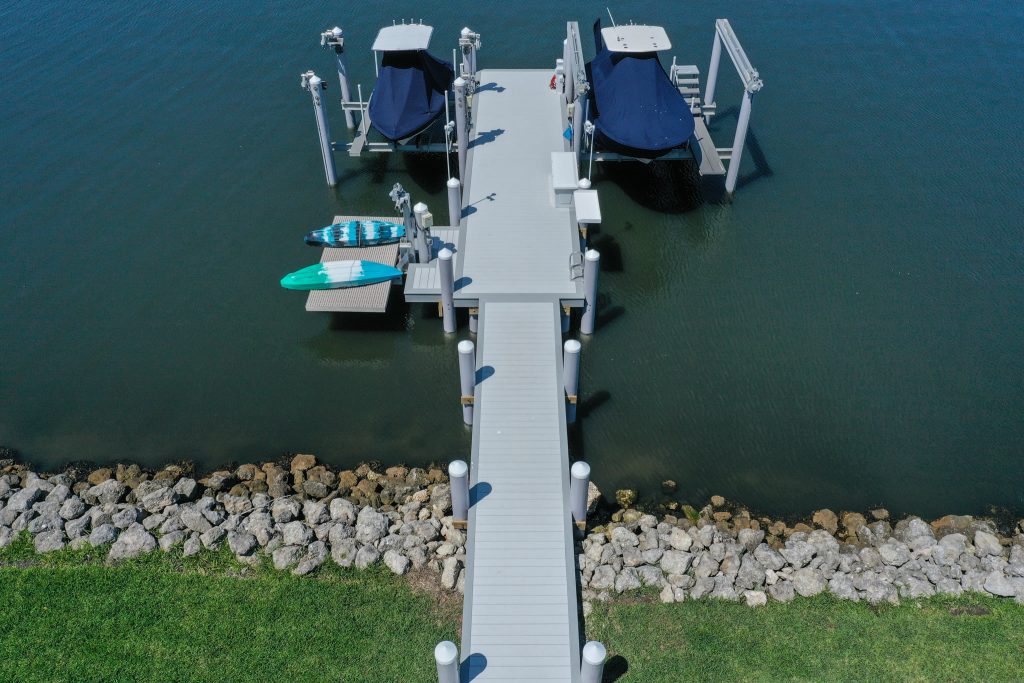
Aluminum is a lightweight, corrosion-resistant material, particularly well-suited for saltwater environments. It boasts a lifespan of 50+ years and requires minimal maintenance. However, aluminum does have some downsides:
- Higher initial costs than wood or composite
- Prone to scratching, which can affect appearance over time
Premium finishes like anodizing or powder coating can help improve both durability and aesthetics.
PVC
Plastic and PVC materials provide an eco-friendly, low-maintenance option. These docks resist rot, splintering, and pests, making them an excellent long-term investment.
However, high UV exposure can cause PVC to fade or discolor over time. Despite this, their 30- to 50-year lifespan and minimal upkeep make them a practical choice for many residential docks.
Choosing the Right Hardware for Your Dock
Selecting appropriate hardware is crucial for the longevity and performance of your dock. A primary consideration is the choice between stainless steel and galvanized steel components.
Stainless Steel Hardware
Stainless steel is an alloy of steel and chromium, known for its exceptional strength and resistance to corrosion. This makes it particularly suitable for marine environments, including exposure to saltwater. Even if scratched, stainless steel maintains its integrity, with only minimal cosmetic rusting in some cases. However, this durability comes at a higher cost, often four to five times more than galvanized steel.
Galvanized Steel Hardware
Galvanized steel features a protective zinc coating that shields the underlying steel from corrosion. This coating offers flexibility and ease of use, making galvanized steel a common choice for various applications. While it provides adequate resistance to corrosion, especially in freshwater environments, its performance can diminish over time, particularly when exposed to saltwater. Additionally, if the protective zinc layer is damaged, the exposed steel may begin to rust.
Making the Right Choice
When deciding between stainless steel and galvanized steel for your dock hardware, consider the following factors:
- Environmental Exposure: For docks in saltwater or harsh marine conditions, stainless steel’s superior corrosion resistance may justify the higher investment.
- Budget Constraints: If budget is a primary concern and the dock is in a less corrosive environment, galvanized steel can be a cost-effective solution.
- Maintenance Expectations: Stainless steel requires less maintenance over time, whereas galvanized steel may need periodic inspections and potential replacements if corrosion occurs.
Companies like Baker Metal Works and Dixie Supply offer a range of metal roofing accessories, including fasteners and closure strips, suitable for various construction needs. While their primary focus is on roofing materials, their selection of high-quality metal components can be beneficial for dock construction projects.
By carefully evaluating your specific environmental conditions and budget, you can select the hardware that best suits your dock’s requirements, ensuring durability and longevity.
Additional Dock Features and Upgrades
A well-designed dock is more than just a place to moor your boat—it can be a functional and enjoyable space that adds significant value to your property. Customizable features can enhance both usability and appeal. Popular additions include:
- Boat lifts for easier vessel storage and maintenance
- Fish cleaning stations, such as KillerDock’s marine-grade aluminum cleaning tables
- Covered boathouses to protect boats from sun and weather damage
- Extended platforms for fishing, lounging, and entertaining
Covered Boathouses and Metal Roofing
Adding a covered boathouse not only safeguards your vessel but also improves the overall aesthetics and resale value of your waterfront property. When choosing roofing materials, metal roofing stands out for its durability, weather resistance, and low maintenance.
Companies like Dixie Supply & Baker Metalworks offer high-quality metal roofing specifically designed for marine environments. Their Tuff-Rib panels, for instance, are engineered for superior performance and longevity, making them an excellent choice for boathouses. Available in a wide range of colors and custom lengths, these panels allow homeowners to create a tailored, visually appealing design that complements their dock.
By selecting high-quality roofing materials from reputable suppliers, you can ensure your boathouse withstands harsh coastal conditions while maintaining its appearance for years to come.
Fish Cleaning Stations And Aluminum Furniture
KillerDock, a family-owned company based in Theodore, Alabama, is leading the way in premium aluminum dockside gear. Their products—ranging from fish-cleaning stations to cabana-style dock furniture—are all built from marine-grade aluminum and treated with a proprietary anti-corrosion clear coat. One of their signature designs, the Upscale series fish cleaning station, features built-in hose hookups in the legs, customizable cutting surfaces, and add-ons like sinks, drawers, and even umbrella holders. For folks who want shade while they clean their catch, the Slam series adds a sleek canopy above a fully equipped workstation.
These setups don’t just make your dock more functional—they add serious curb appeal for anglers, charter operators, and homeowners who want their waterfront space to look sharp and perform even better.

KillerDock has also branched out into outdoor furniture designed specifically for marine environments. From aluminum-framed club chairs with removable Sunbrella™ cushions to cabanas and coffee tables that bolt directly to the dock, their gear is made to handle harsh coastal conditions while keeping things comfortable and stylish. Customer reviews consistently mention the flawless welds, smart design, and standout durability. In short, KillerDock gear not only elevates your dock’s look—it’s built to last just as long as the dock itself.
Planning for Future Resale Value
Real estate expert Angelo DePaola emphasizes that docks built larger than current needs often provide better long-term value. A spacious slip or boathouse may accommodate a future buyer’s larger vessel, making the property more attractive on the market and increasing its resale potential.
Long-Term Cost Comparisons
When evaluating ROI, consider both initial and maintenance costs alongside material longevity.

Conclusion
The best dock material depends on your priorities. For affordability and natural aesthetics, wood is a practical choice but requires frequent maintenance. For durability and minimal upkeep, composite, aluminum, or PVC are excellent alternatives. Concrete is best suited for industrial applications and is rarely cost-effective for residential docks.
When planning your dock, don’t overlook the importance of quality components like polymer pilings, durable metal roofing for your boathouse, and well-built cleaning tables and storage solutions. Investing in long-lasting materials will save you time and money in the long run while enhancing the function and appearance of your waterfront space.
For professional dock construction or advice tailored to your location, be sure to work with an experienced marine contractor familiar with your area’s permitting and environmental requirements.