

Offshore fishing in Texas is about to become much more accessible and sustainable thanks to the recent approval of the Texas Fish Aggregating Device (FAD) Network. After years of planning, Hilton Marine, LLC, alongside the Houston Big Game Fishing Club, has received final approvals from NOAA, the U.S. Army Corps of Engineers, and the U.S. Coast Guard to install the first large-scale FAD network off the Texas coast. This milestone project, designed to make offshore fishing more productive and research-friendly, will bring 14 FADs outfitted with scientific instruments to waters stretching from Galveston to the Mexican border. “We’re really excited to make Texas’ first offshore FAD network a reality. This is a historic development for Texas fishing,” says Tom Hilton, founder of Hilton’s Offshore Charts.
The Vision Behind the Texas FAD Network
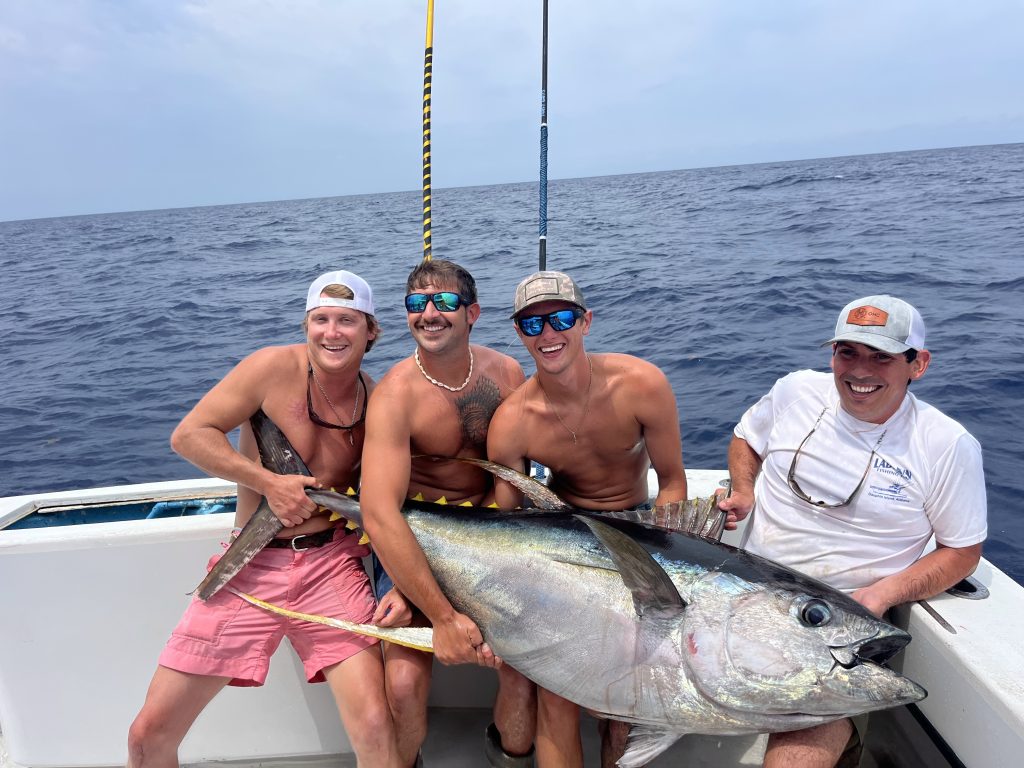
For years, Texas anglers have faced lengthy offshore trips to reach productive fishing grounds, often traveling 100 to 200 miles to deepwater structures. The Texas Fish Aggregating Device (FAD) Network aims to change that by bringing high-quality fishing closer to shore. These strategically positioned buoys will attract baitfish, which in turn will draw predatory species like marlin, tuna, and mahi-mahi. “Our FADs are specifically designed to create more accessible fishing opportunities,” Hilton explains. “This network lets anglers experience blue water fishing without having to venture so far offshore.”
In a unique collaboration, the Houston Big Game Fishing Club and Hilton Marine, LLC, have partnered with the Gulf Research Institute of Highly Migratory Species (GRIHMS) at Texas A&M Galveston. This partnership will allow scientists to install monitoring equipment on the FADs, providing vital data on migratory fish species and their behaviors. Hilton notes that this aspect of the project will make Texas’ Fish Aggregating Device Network invaluable for conservation efforts: “We’re not just supporting fishing—this network is going to help marine researchers better understand the Gulf’s ecosystem.”
The Role of Satellite Data in Enhancing the FAD Network
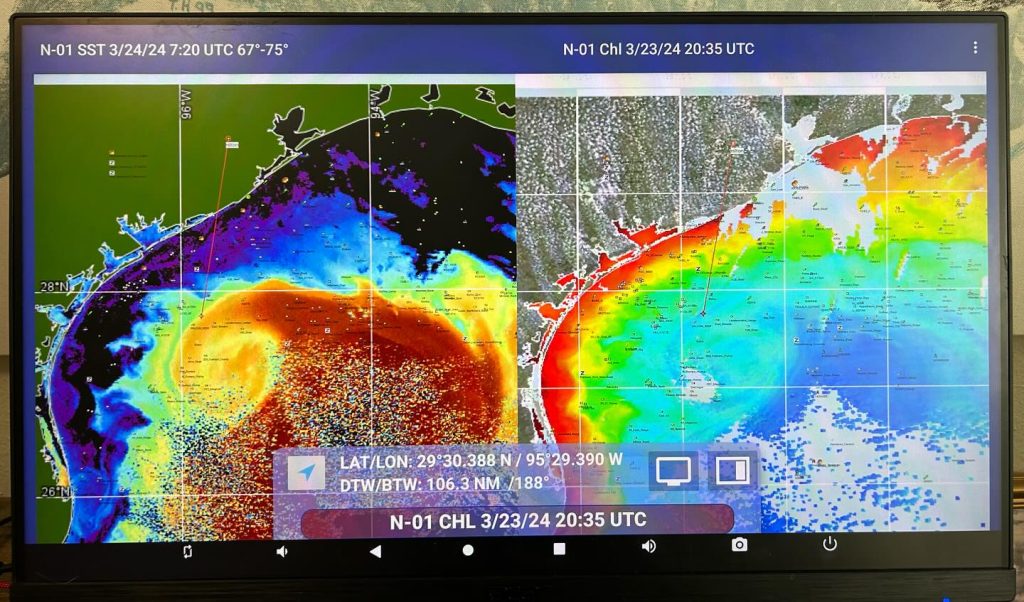
While the Fish Aggregating Device Network itself will be a valuable asset to the Texas offshore fishing community, Tom Hilton’s Real-Time Navigator platform will further enhance its potential by providing critical satellite data and environmental insights. Hilton’s Real-Time Navigator offers satellite-based data on factors like sea surface temperature, altimetry, and chlorophyll levels, which allows anglers to locate the most productive fishing spots. As Hilton explains, “Altimetry is one of our go-to metrics when planning a trip. Nutrient-rich upwellings show up as dark blue zones on the charts, and those are prime areas for fishing. But with the new FADs, we’re adding another key feature—structure—so even in less favorable zones, anglers can still find success.”

Through the Navigator platform, users can access solunar tables, see feeding times, and track animated current changes every three hours, which helps them fine-tune their routes. “What we’re doing with the Fish Aggregating Device Network and the Navigator platform is giving anglers more control. You can map your entire trip, track conditions in real-time, and adapt based on what’s happening out there. This level of information lets anglers save time, fuel, and frustration,” says Hilton.
Overcoming Challenges to Bring the Project to Life
Bringing the Texas FAD Network to fruition was no small feat. Hilton and the Houston Big Game Fishing Club worked for years to secure funding, permits, and community support, all of which were crucial to the project’s success. As Hilton recounts, “This project has required an enormous amount of planning, patience, and funding. We’re deeply grateful to our donors, members, and volunteers who invested so much to make this happen.” Their commitment reflects the excitement within Texas’ fishing community, which eagerly anticipates the FAD Network’s benefits.
Currently, Hilton Marine and GRIHMS are preparing the FADs for installation, scheduling deployment windows, and equipping each device with the necessary scientific instruments. Hilton emphasizes that these FADs will not only serve the fishing community but will also provide essential data to marine researchers studying highly migratory species: “The FADs give researchers a unique opportunity to gather real-time data that can inform conservation strategies and enrich our understanding of the Gulf’s migratory species.”
A Landmark Shift for Texas Fishing and Conservation
Hilton’s Offshore Charts makes it easier than ever for anglers to access productive fishing waters through the Texas Fish Aggregating Device Network. The FADs create nearby, high-quality fishing zones that cut travel time and fuel costs, benefiting both charter and recreational boats. “Each of our FADs is placed near the continental shelf to draw game fish closer to shore,” Hilton explains. “For Texas anglers, this could cut up to 120 nautical miles off a round-trip journey.”

The FAD Network’s setup is inspired by a successful deployment off Destin, Fla., which saw significant boosts in local fish populations. Hilton believes Texas can expect similar results: “It’s not just about shorter trips; these FADs will support a thriving offshore fishery right off the Texas coast. This project is about improving the ecosystem as well as the fishing experience.”
A Vision for Sustainable, Informed Fishing
For Hilton, the Texas Fish Aggregating Device Network represents a unique blend of technology, fishing, and marine science. “We’re creating more than just a fishing network,” Hilton says. “It’s a network that supports sustainable fishing practices and gives us valuable data on our marine life.” The FADs are expected to benefit the Gulf’s ecosystem while providing anglers with a convenient, cost-effective option for targeting pelagic species.
The spring deployment of the Texas FAD Network will be a historic milestone for Texas fishing, ushering in a new era where anglers, marine scientists, and conservationists all benefit from innovative, sustainable marine resources. As Hilton points out, “We’re always looking for ways to enhance the experience, not just for the sport, but for the long-term health of our marine environments. It’s rewarding to see that vision finally coming together.”