
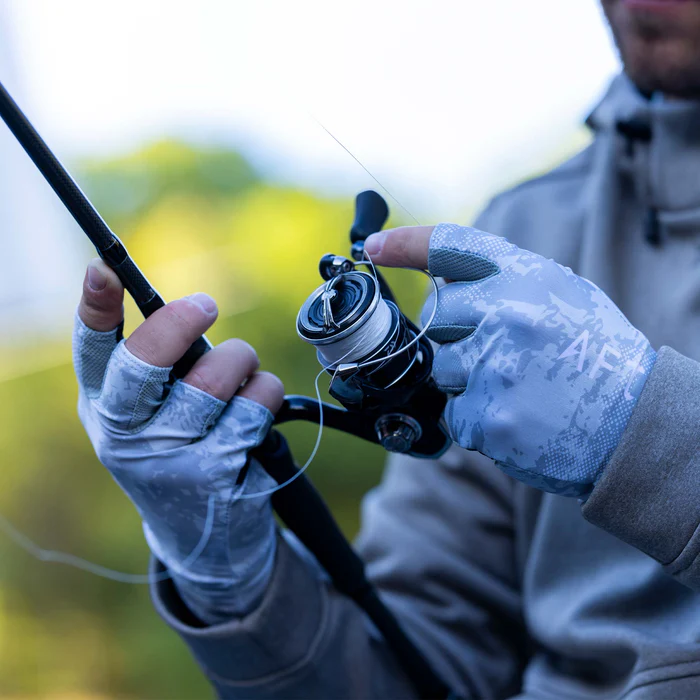
Fishing gloves used to live in the bottom of the tackle bag, only pulled out on icy mornings or freezing boat rides. But in recent years, they’ve taken on a whole new role. Today’s gloves are no longer just winter wear. They’ve become a go-to, year-round tool for anglers who spend serious time on the water.
Across coastlines and fisheries, fishing guides and everyday anglers alike are reaching for gloves not just for warmth, but for sun protection, better grip, and day-long comfort.
The Evolution of Fishing Gloves
Modern fishing gloves are built to be worn hard. Forget the bulky neoprene mitts of the past. Today’s gloves are lightweight, breathable, and designed with the needs of serious anglers in mind. They offer UPF-rated sun protection, better grip, and precise control, all without sacrificing comfort.
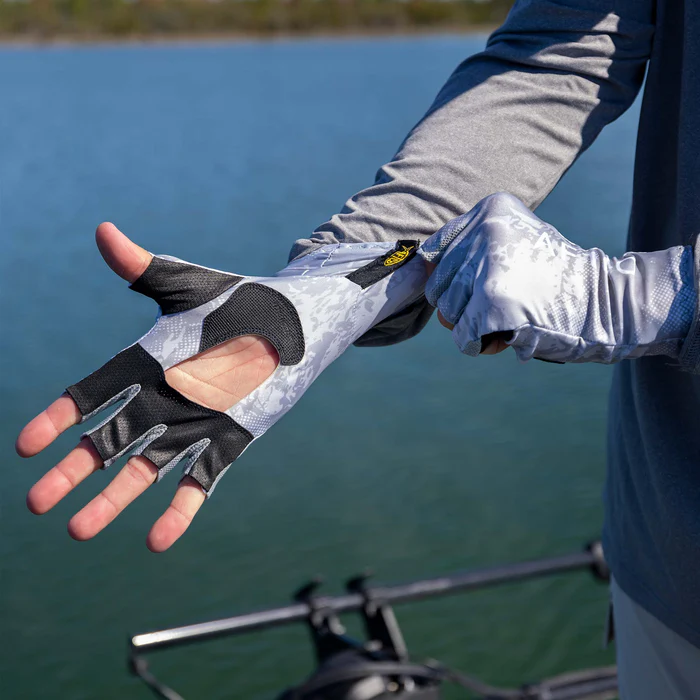
Companies like AFTCO have helped lead that evolution. Their Solargo™ Sun Gloves and Jig Pro Gloves, for instance, are built for all-day use in tough conditions. Breathable fabrics, open-finger designs, and reinforced grip zones show how far glove tech has come. For anglers targeting big game offshore, AFTCO’s wiring gloves are in a class of their own. Designed for the brutal task of leadering large fish like tuna and marlin, these gloves feature heavy-duty construction, Kevlar reinforcement, and tacky grip surfaces to give anglers full control when it matters most.
What was once a seasonal accessory is now just as important as a quality pair of polarized sunglasses.
Protection from the Elements—Sun, Cuts, and Fish Slime
Capt. Patric Garmeson, a full-time saltwater guide on Alabama’s Gulf Coast, spends five to six days a week on the water. After his first year of guiding, he started noticing sun damage and abrasions on his hands—an early warning sign he didn’t ignore.
“When I go to the dermatologist, the backs of my hands are one of the first things they check,” Garmeson said. “I haven’t had any issues, and gloves are a big part of that.”
He’s not alone. Skin protection is now top of mind for many serious anglers, and gloves offer a simple fix. Beyond UV exposure, they also protect from constant wear—fish slime, spines, hooks, and sharp tackle. It’s no surprise AFTCO worked with respected anglers like Benny Ortiz to design their JigPro Gloves, which are made specifically for slow pitch jigging and heavy-duty use.
Real-World Endorsement from Fishing Guides
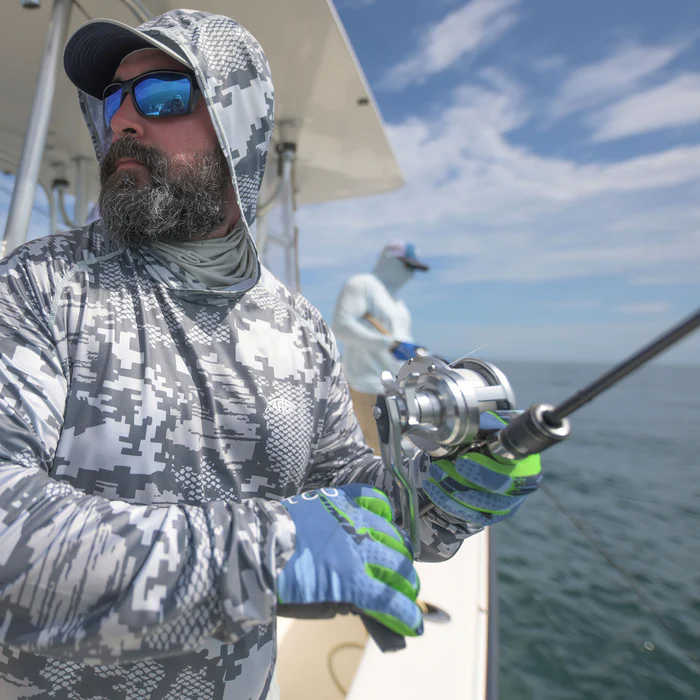
Bill Falconer, a custom rod builder and co-owner of TOIT Fishing Tools, didn’t always wear gloves. But that changed when he dove deep into slow pitch jigging, a tackle-intensive technique where speed, efficiency, and hand protection matter.
“Between changing jigs, cutting braid, and handling fish, you’re using your hands constantly,” Falconer explained. “Without gloves, you’re tearing them up.”
He swears by gloves for slow pitch, especially when handling hundreds of split rings in a day. For him, gloves aren’t a style choice or safety net. They’re gear.
Garmeson sees them the same way. He keeps seven to ten pairs in rotation, mostly lightweight fingerless sun gloves with padded palms for fish handling and knot tying. For summer trips, he recommends something along the lines of AFTCO’s Solargo™ gloves, which offer full UPF 50 protection and quick-dry performance. They’re lightweight, breathable, and built to disappear on your hands while protecting them all day.
Grip, Comfort, and Performance Benefits
Gloves today offer more than just protection—they boost performance.
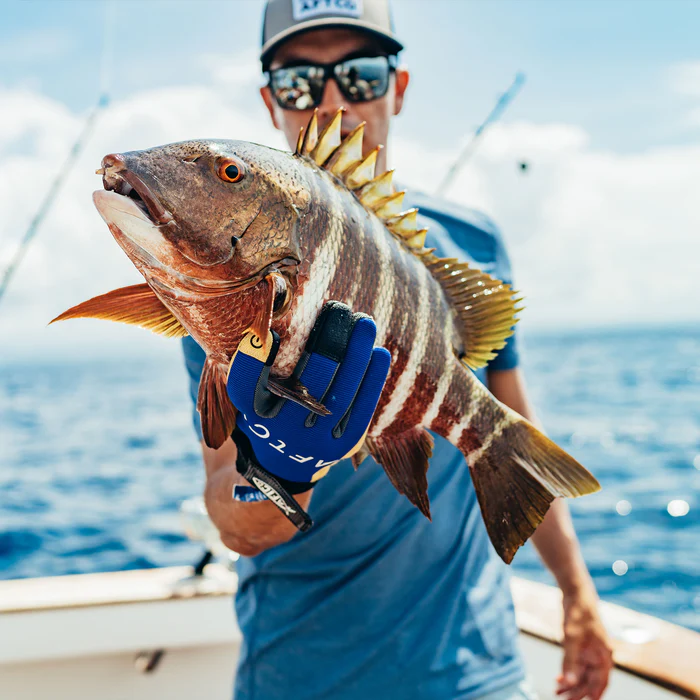
Falconer points out that good gloves improve grip even when soaked, whether you’re gripping a rod butt or wrenching on a jig. They also reduce fatigue over long days of casting or vertical jigging. For anglers who need to feel every twitch or tie precise knots mid-fight, the right glove makes that possible.
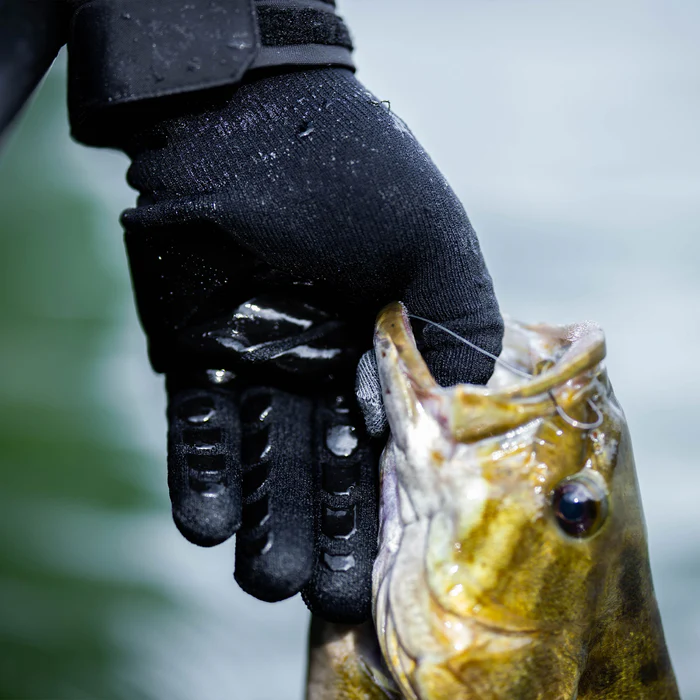
Options like the AFTCO Release Gloves add reinforced palms and extra abrasion resistance—ideal when fish are flying over the rail or you’re grabbing slippery gills. And for comfort, longer cuffs help close the gap between glove and sleeve, something Garmeson actively looks for in hot-weather fishing.
The Year-Round Use Case: Seasonal Breakdown
Spring: Light protection from chill, UV, and rough gear. Fingerless options like the Solargo™ or Guide Sun Gloves are ideal.
Summer: Prime season for sun gloves. Look for breathable fabric, open fingers, and sweat-wicking tech. Gloves like AFTCO’s Solargo™ give full UV protection while staying dry and cool.
Fall: More time handling aggressive fish. Gloves help keep your hands in shape through abrasive days on the water.
Winter: Cold-weather gloves like AFTCO’s Breakwater™ Waterproof Gloves are built for warmth and water resistance without the bulk. Garmeson, unable to get a pair due to demand, uses a similar waterproof glove (SealSkinz) and layers them with nitrile gloves for mobility and dryness.
What to Look for in a Quality Fishing Glove
- Materials: Breathable synthetics or UPF-rated fabrics. Moisture-wicking and quick-drying is key.
- Protection: Reinforced palms, abrasion zones, and durable stitching help gloves last.
- Design: Fingerless for warm months and knot tying; full-fingered for colder conditions or heavy-duty work.
- Fit: Should be snug but not tight. Look for extended cuffs for full coverage.
Falconer and Garmeson both emphasize trial and error—what works in one fishery may not in another. And Garmeson has a clear tip: gloves that wash and dry easily will last longer and stink less. “If you stuff a wet glove in your pocket after cleaning fish, it’ll smell like you smuggled bait in your pants,” he joked.
Final Word: More Than a Seasonal Accessory
The modern fishing glove isn’t just winter gear. It’s part of the standard kit; no different than your sunglasses or your go-to rod.
Gloves protect. They perform. And they help you fish longer, harder, and with fewer consequences.
“I don’t plan on getting skin cancer, and gloves are a big part of that,” said Garmeson.
Falconer puts it even more simply: “You will not be happy without a good pair of gloves. You’ll be frustrated.”
Whether you’re fishing flats, jigging deep water, or just spending long days on the bay, don’t wait for winter. Grab a pair of gloves that work for your season and your style. You’ll never look back.