
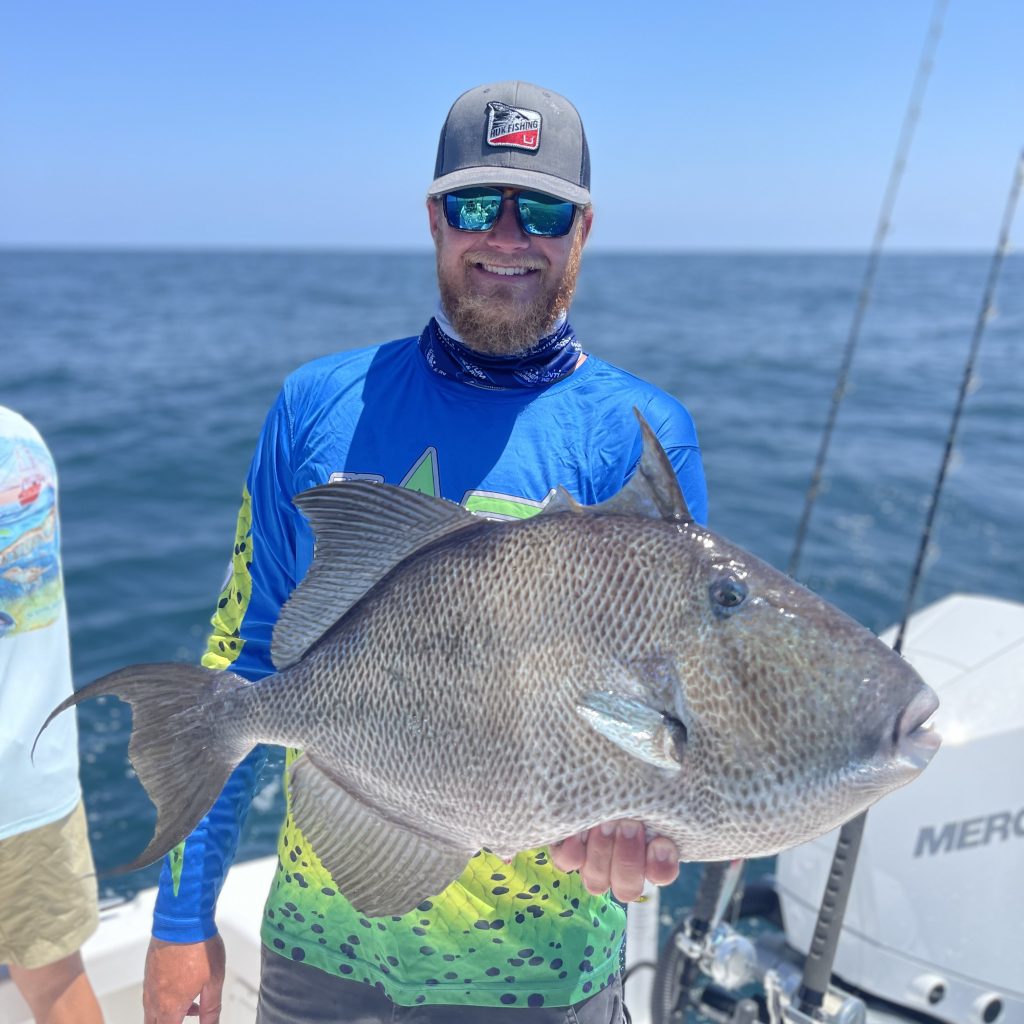
Fishing the reefs off the Gulf coast offers a world of opportunity, but sometimes it takes a shift in technique to unlock hidden opportunities. One such method, micro slow pitch jigging, has been gaining traction among anglers who want to enhance their chances of catching reef fish while using lighter tackle. Captain Spencer Kight of DI Reef Monster Charters, based out of Dauphin Island, Alabama, has honed this technique, perfecting the art of fishing with smaller jigs for species like almaco jacks, triggerfish, and even vermilion snapper.
What Is Micro Slow Pitch Jigging?
Micro slow pitch jigging, as the name suggests, involves using smaller jigs—typically in the 60-80 gram range—on lightweight spinning rods. “We use a lot of Goofish stuff, lighter rods, and spinning reels because they allow the customer more control,” Captain Kight explained. The smaller setup makes it accessible for anglers of all experience levels, particularly when the captain is able to use his trolling motor to hold the boat in place over a productive spot. Kight prefers spinning reels for this technique, adding, “It’s about being light. That’s the whole idea—so you can keep fishing longer without getting tired.”
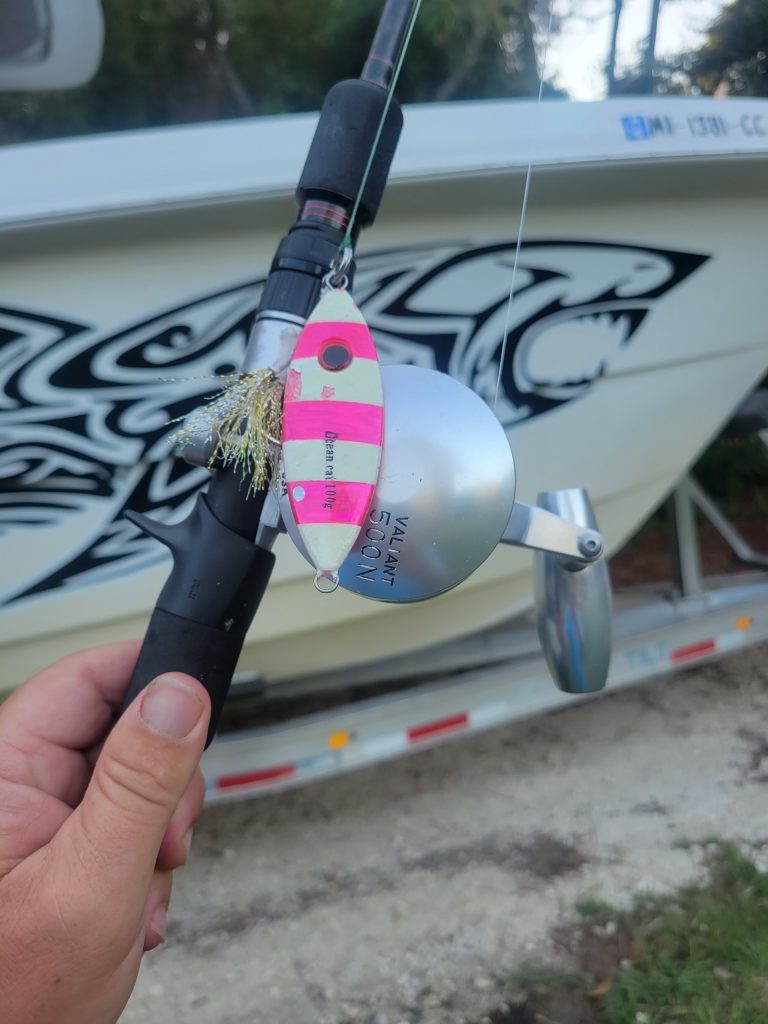
Unlike traditional slow-pitch jigging, which often uses baitcasting reels or conventional tackle, micro jigging employs finesse to target fish that many anglers overlook when using heavier gear. Kight has found great success with this method, particularly for species like Almaco jacks, which will hit the small jigs in deeper waters (around 120 to 250 feet), as well as large triggerfish and even the occasional filefish.
The Tackle and Setup
To get started with micro slow pitch jigging, Captain Kight recommends using a 5000 series spinning reel paired with 30-pound braided mainline and a 40-pound monofilament leader. “The reason we use 40-pound mono is that you can’t get anything heavier through those small guides on the rods we’re using,” he said. Knot strength is critical, especially when you’re battling larger species like amberjacks.
The lightweight setup surprises many of Kight’s customers, who often expect a sturdier rod for reef fishing. “They pick up that rod and think it’s a Barbie pole,” Knight joked. However, once they hook into a big fish, the rod bends deeply, and they’re amazed at the power these smaller rods have.
Micro Jigging for Almaco Jacks and Triggerfish
One of the main targets of micro slow pitch jigging are almaco jacks. These fish can often be found on deeper public reefs and vertical structures, typically in waters ranging from 120 to 250 feet. While many anglers miss out on them by dropping oversized jigs meant for amberjacks, Captain Kight’s approach with smaller jigs opens up opportunities to target these feisty fish.
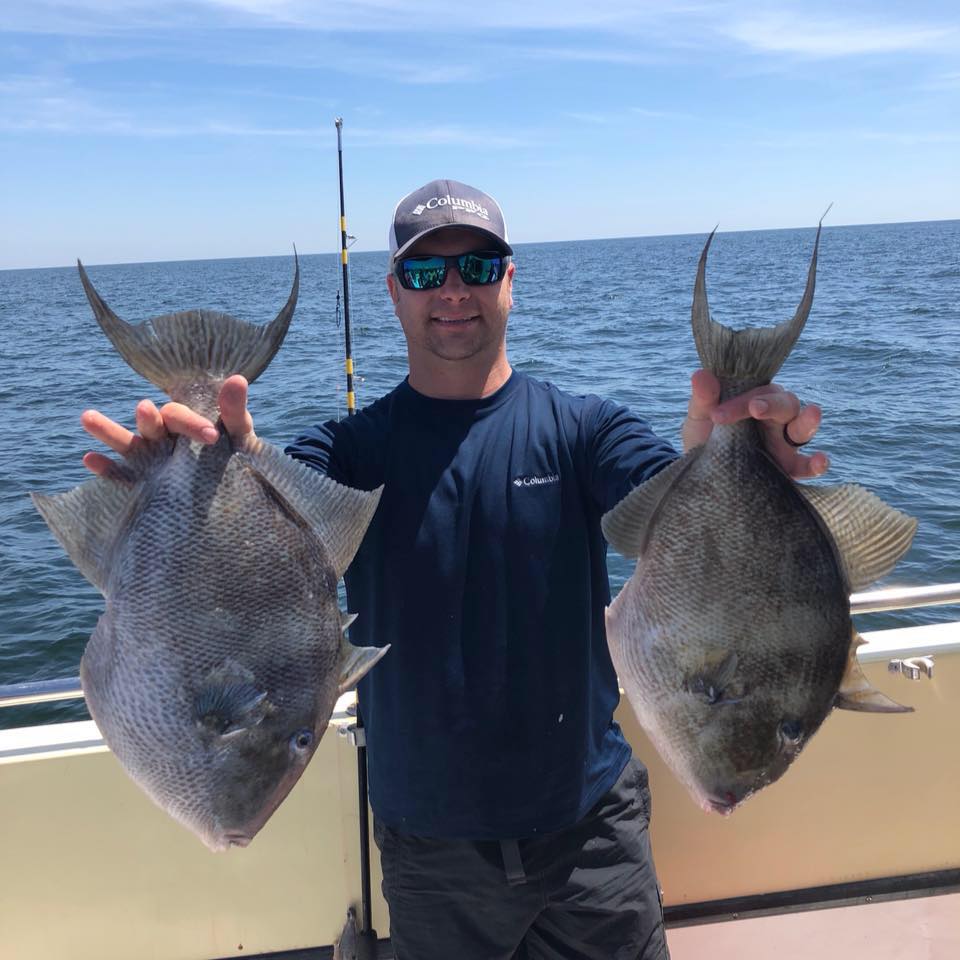
“When you’re further out, they won’t hit that big jig like amberjacks will,” Kight explained. “But with the smaller jigs, you’re still going to catch snapper and even some monster triggerfish.” The versatility of the smaller jigs makes them effective on a wide variety of species, including reef favorites like vermilion snapper (also known as bee liners).
Tips for Mastering the Technique
One of the key aspects of micro slow pitch jigging is adjusting your cadence. “It’s supposed to be slow pitch, but sometimes you just have to make the fish want it,” Kight said. Often, this means changing the speed or rhythm of your jigging. If the fish aren’t biting, it’s not necessarily because they aren’t there—sometimes, a slight change in technique can trigger a reaction strike.
Kight also stressed the importance of staying close to the bottom. “There’s no need to bring it up if you’re in 120 feet of water,” he said. Most of the target species for this method, like Almaco jacks and triggerfish, are bottom dwellers, so keeping the jig near the reef is essential. Occasionally, you might raise the jig higher in the water column if you’re targeting pelagic species like bonito, but generally, the action happens close to the structure.
Benefits of Micro Jigging
Beyond its effectiveness, micro slow pitch jigging has a couple of additional benefits. For one, it offers a way to fish with lighter tackle, which makes it more enjoyable for those who aren’t used to heavy-duty fishing gear. It’s also an excellent method for those looking to fish outside of the busy snapper season, as it works year-round on various reef species.

For Captain Kight, it’s also a way to engage customers—particularly younger anglers—by teaching them a new technique. “I’ll hook up on a couple, hand it off, and teach a kid how to do it. They’ll sit there all day and fill the box up,” Kight said with a smile.
The Future of Light Tackle Fishing
The world of offshore fishing has changed dramatically in recent years, with advancements in tackle making lighter, more compact gear increasingly viable for bigger fish. “The game has totally changed,” Kight reflected. “You used to need broomstick rods and big reels, but now we’re out here with lightweight setups catching fish we never would have dreamed of catching this way.”
Micro slow-pitch jigging opens up a new frontier for reef fishing, giving anglers the chance to enjoy the sport with less strain and more action. For those who are looking to try something different and catch more fish, it’s a technique worth mastering.
Go Micro For Jumbo Fun
Micro slow pitch jigging is more than just a niche technique—it’s a game-changer for reef fishing. By downsizing your jigs and gear, you can target a wide range of species with greater finesse, making it an exciting option for both seasoned anglers and newcomers alike. Whether you’re aiming for Almaco jacks, triggerfish, or even the occasional surprise species, micro jigging offers a fun and productive way to fish the Gulf of Mexico’s reefs.