

If you’re an outdoors enthusiast, you know your gear and equipment are as important as your skills. So whether you’re a hunter, fisherman, or camper, having a reliable shelter to store your gear and protect it from the elements is essential. That’s why you should consider a post frame building.
Post frame buildings are a popular option for shops, storage barns, and equipment shelters because they can be designed with wide open interior space and simple layouts. In a typical post frame system, large posts provide the main vertical support, roof trusses span from post to post, and horizontal framing members support the wall and roof cladding.
One of the main benefits of post frame buildings is that they can be engineered for local conditions. Depending on your region, that may include high wind requirements, snow loads, or other design criteria. Your local building department and a qualified designer or engineer should be part of the process so the final structure meets code and fits the job.
Another advantage of post frame buildings is their versatility. They can be adapted for various purposes, such as storage, workshops, or even living quarters, as long as they are designed and permitted for that use. You can customize the building with features such as doors, windows, insulation, ventilation, and interior partitions.
Post frame buildings can also be a cost conscious option compared to some other building methods, especially when you want a large clear interior for equipment. Costs vary widely based on site work, concrete, doors, insulation, and the level of finish, so it pays to plan carefully.
Post-Framing History
Barns and timber frame structures have been around for centuries, but modern post frame building systems, often called pole barns, were first developed in the 1930s as economical farm buildings. They earned a reputation for getting a lot of usable space with a straightforward structural concept, which is why you still see them across rural America today.
Planning Your Pole Barn
When designing a post frame building, there are several factors you need to consider to ensure that your structure is durable, meets the desired function, and is built to last. Here are some critical factors you might review before digging your first hole.
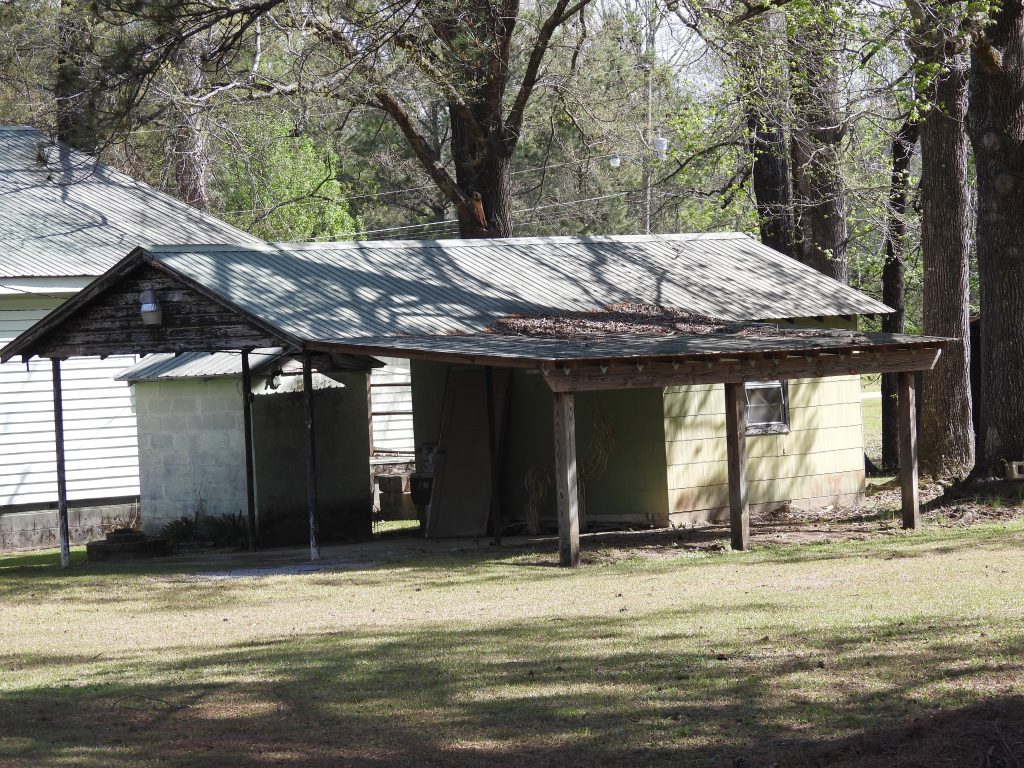
- Purpose – Will it be used for storage, housing livestock, a workshop, or as a residence? The intended use will influence size, height, door layout, ventilation needs, and interior finish.
- Location – Terrain, soil type, drainage, and climate all matter. Positioning can help with natural light, prevailing winds, and storm exposure. It can also affect how easy it is to get equipment in and out.
- Materials and cladding – Post frame structures commonly use wood framing with metal roofing and siding, but there are options for liners, insulation systems, and interior finishes. Choose materials that fit your budget, your climate, and how you plan to use the building.
- Roof design and ventilation – Roof slope, overhangs, and ventilation details affect performance and comfort. A good plan helps manage heat, humidity, and condensation.
- Insulation and climate control – If you want the building to be comfortable year round, plan insulation early. Common approaches include fiberglass, spray foam, and rigid foam, but the right choice depends on how the building will be heated and cooled.
- Doors and windows – Door type and door height often drive the entire layout. If you plan to park a tractor, a boat, or a camper inside, measure first, then design around real clearances.
- Electrical and plumbing – If your building will include power, water, or a bathroom, plan those runs from the start. Retrofits are possible, but it is usually easier and cleaner to rough in early.
- Building codes and permits – Local requirements can cover wind ratings, snow loads, setbacks, fire requirements, and accessibility. Always check with local authorities before you build.
Posts In Ground Versus Posts On A Foundation
One of the biggest design decisions in post frame construction is how the posts are supported.
- Posts set in the ground – This is a traditional approach and can be cost efficient. Long term performance depends on proper materials, treatment, and water management around the post.
- Posts supported on a foundation or piers – Some designs use concrete piers or a continuous foundation with brackets that keep the post above grade. This can make moisture management easier and can fit certain site conditions well.

The right choice depends on local code, engineering, soil conditions, and how you plan to use the building.
Condensation and Moisture Control
Metal roofing and siding are tough and long lasting, but moisture control needs attention, especially if the building will be enclosed and used often.
Common tools include proper ventilation, vapor control layers where appropriate, and insulation systems designed for your climate. If you plan to heat or cool the building, talk through condensation control before materials are ordered.
Site Evaluation
When evaluating a potential site for post frame construction, there are several factors to consider.
Soil Type and Stability
The soil must be able to support the weight of the building and anything stored inside. In many areas, a soil evaluation or guidance from a local builder can help you confirm the site is suitable.
Drainage
The site needs proper drainage to prevent water from pooling around the building. Grading, gutters, and downspout management can make a big difference in long term performance.
Access
Make sure the site has easy access for construction equipment and delivery vehicles. Also think about how you will approach the building with a trailer or equipment once it is finished.
Zoning and setbacks
Check local zoning rules, setbacks, easements, and any restrictions that could affect placement, height, or usage.
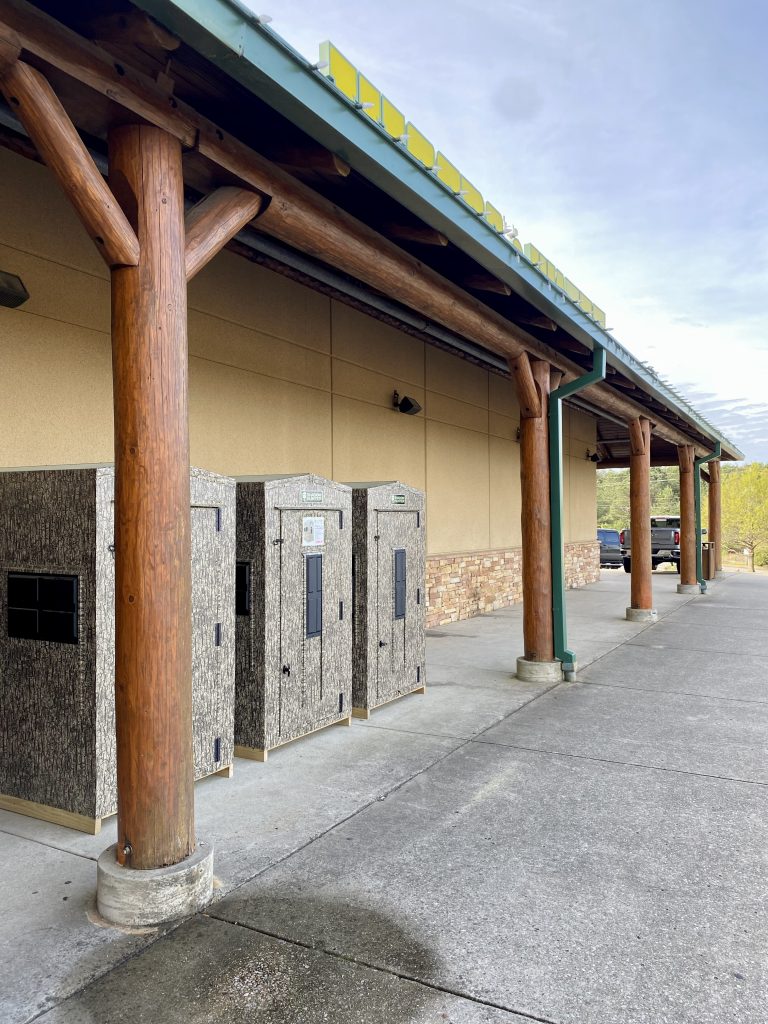
Foundations For Post Frame Buildings
The next step is to consider the foundation strategy. A contractor or engineer can help ensure the foundation suits your building and site conditions. Two common approaches include:
- Concrete slab – A slab is a popular option for shops and enclosed storage. Thickness, reinforcement, and edges depend on soil conditions and how heavy the equipment will be.
- Piers or footings supporting the posts – This approach uses individual holes with concrete to support posts or brackets, depending on the design.
Post Frame Building Suppliers
Baker Metal Works & Dixie Supply offers metal roofing and siding products and also markets pole barn kits and post frame building packages. They also specialize in providing everything needed to build your typical pole barn.
I spoke with Chris Bryan at the Troy Alabama location of Baker Metal Works & Dixie Supply about the services and products they provide for someone planning a post framed structure.
Bryan has been in sales for nearly a decade and said their roofing options include five metal panel profiles in 20 colors with 29 or 26-gauge thickness. In addition, their trim pieces are available in all 20 colors in 10′ lengths made from 26 gauge metal. By manufacturing all of their trim on-site, they can create custom pieces to fit the needs of your project.
A big plus for prospective post frame builders is that Baker Metal Works & Dixie Supply can offer advice regarding roofing or siding thickness, trim options and help you figure out how big a pole frame building you need.
Post Frame Building Kits
Based on your site location and needs, Bryan said Baker Metal Works & Dixie Supply will provide a complete kit to build the post framed building of your choosing.
“Once you determine the roof height, length, and width of your building, we can calculate the number of posts, bags of ready-mix concrete, trusses, metal panels, screws, ridge caps, and trim necessary to complete your structure,” he said.
According to Bryan, a 40×60 open barn kit with a 12′ roof is priced at $9,284.00, and they also offer an optional wall kit. Bryan said seasoned pole barn builders can assemble a 40×60′ barn in as little as one day.
Post Frame Benefits
Perhaps the most appealing aspect of post-frame buildings is their affordability. They require fewer materials and less labor than traditional buildings, making them a cost-effective solution for those on a budget. They also can lower energy costs by adding insulation for more efficient heating and cooling.
Final Thoughts
The post frame building may not be the most glamorous of structures, but it gets the job done. It is a testament that the simplest solution is sometimes the best.
These buildings are the perfect choice for those who value durability, versatility, affordability, and a connection to nature. So, consider investing in a pole frame building for your next adventure, whether you’re a seasoned outdoorsman or just starting out. Its rugged yet simple design will surely become a reliable and beloved part of your landscape.
Whether you’re using it as a hunting cabin or a base camp for your next adventure, a post frame building can help you feel connected to the land and the outdoors.