Neck muscles ripple with each lick of the branch. Dirt flies with every stroke of the hoof. Then, the inevitable. The stud pees right in your mock scrape and there isn’t a dadgum thing you can do about it … except shoot that buck square in the vitals. Deer hunting in the South is no easy task, but it gets just a smidge easier when you understand the dynamics that are in play. Follow these 10 pre rut hunting tips for locating, patterning and tagging a big, mature Dixie buck this season.
- Recognize the Benefits
The rut is my least favorite time to target mature bucks. Sure, anyone can get lucky when deer are running around with their heads in the gutter. But it takes true dedication, effort and skill when a deer has its brain screwed on straight. Still, despite having their wits, deer are vulnerable during the early season, and especially the pre-rut.
In short, the pre-rut is the early season on steroids, with slightly jitterier deer. Whitetails have been pressured, but not as much as they will have by the rut or late season. It’s critical to understand just how beneficial this is, and what it means for your chances of filling that coveted buck tag.
The best part about the pre-rut? Predictability. Deer are usually on a pattern during this phase, and for the prepared hunter, this is great. For the lazy or unprepared hunter, it can be their undoing.
That said, for those who put in the time to learn specific target bucks and their weaknesses, there’s no better time than now. Much of this hard-to-obtain, yet incredibly useful pre rut hunting tips go out the window once the rut arrives.
- Know the Area
The South is notorious for weird rut dates. Depending on location, it spans from July and August (parts of Florida) to February and March (select portions of several states). This great degree of variability demands precise knowledge of when deer breed in your neck of the woods.
After all, you have to know when peak breeding occurs to know when the pre-rut is. It isn’t acceptable to rely on what’s happening 30 miles down the road, or even 3 miles. Things can be different from property to property.
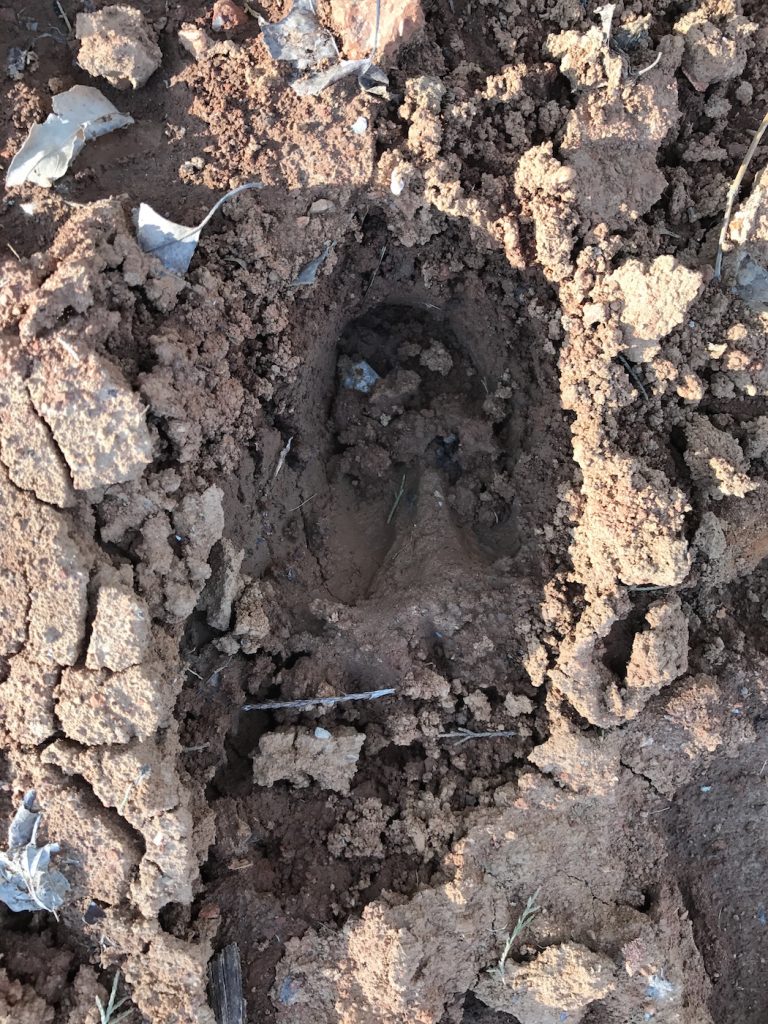
Fortunately, it’s easy to obtain this information. Deer breed at roughly the same time each year. Peak estrus and breeding are driven by photoperiod (daylight length) which doesn’t vary from year to year. Days shorten the same way every fall.
That said, the rut is a slightly different animal in the South. While photoperiod is still the trigger, there’s a wider breeding window than in the North. The reason is simple, milder winters. So, while it isn’t as defined as in northern states, it’s still a predictable event.
To recap, historical rut dates are vital bits of information and you can obtain these from biologists and wildlife agency officials. They should have data specific to your area. Use this to time the pre-rut, which are the days leading up to the peak-breeding window.
- Get on the Grub
Food is king in the whitetail world, regardless of the time of year. Deer are “concentrate selectors”, meaning they seek out the best of the best that’s available within their home range. They eat only the best portion of each plant (not the entire thing and they feed five to six times per day.
General food sources vary throughout the South, but agricultural products (alfalfa, corn, soybeans, sorghum, etc.) and food plots (chicory, clover, lablab, iron clay peas, winter peas, etc.) are great options.
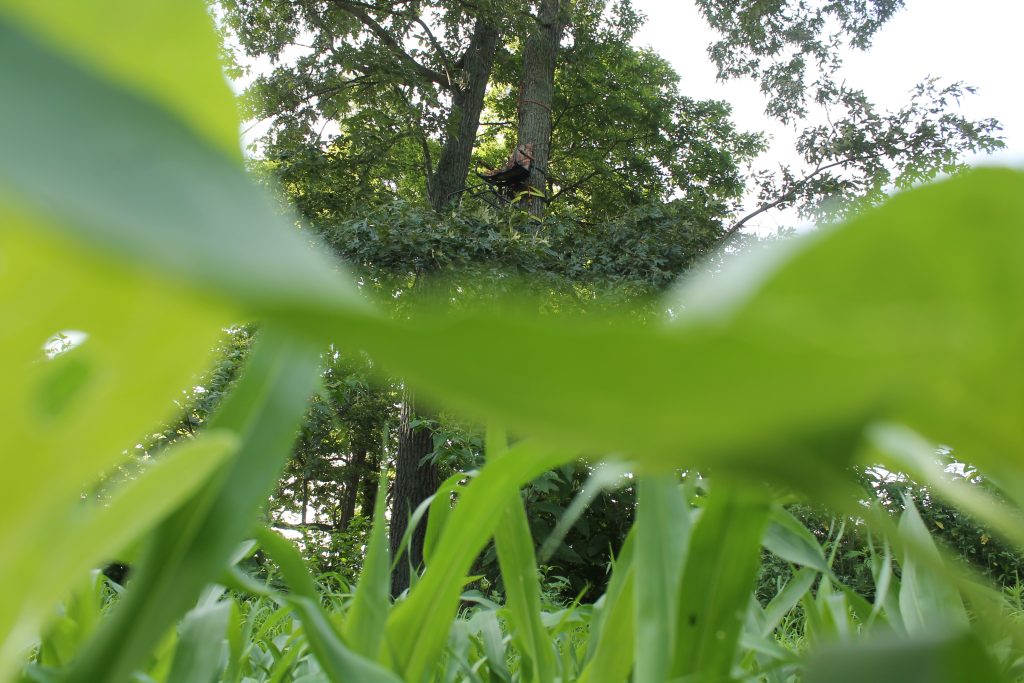
Don’t overlook natural food sources as they reign supreme throughout the region. Soft mast, such as persimmon, plum, pear, peaches and other foods are popular eats for whitetails. Hard mast, such as chestnuts, are critical food groups, too.
During the pre-rut, it’s not uncommon to witness deer transitioning to hard mast, not hitting fields and open food sources quite as much. If this is your reality, it’s important to transition with the deer, and hunt where they are. This is true all season long.
- Pinpoint Water Sources
Water is important. Deer drink several times in 24 hours. On average, a 200-pound buck must consume three to five quarts per day to remain healthy. Interestingly, most of the mature buck beds I find are located within 50 yards of a water source, even if it’s a small, stagnant one.
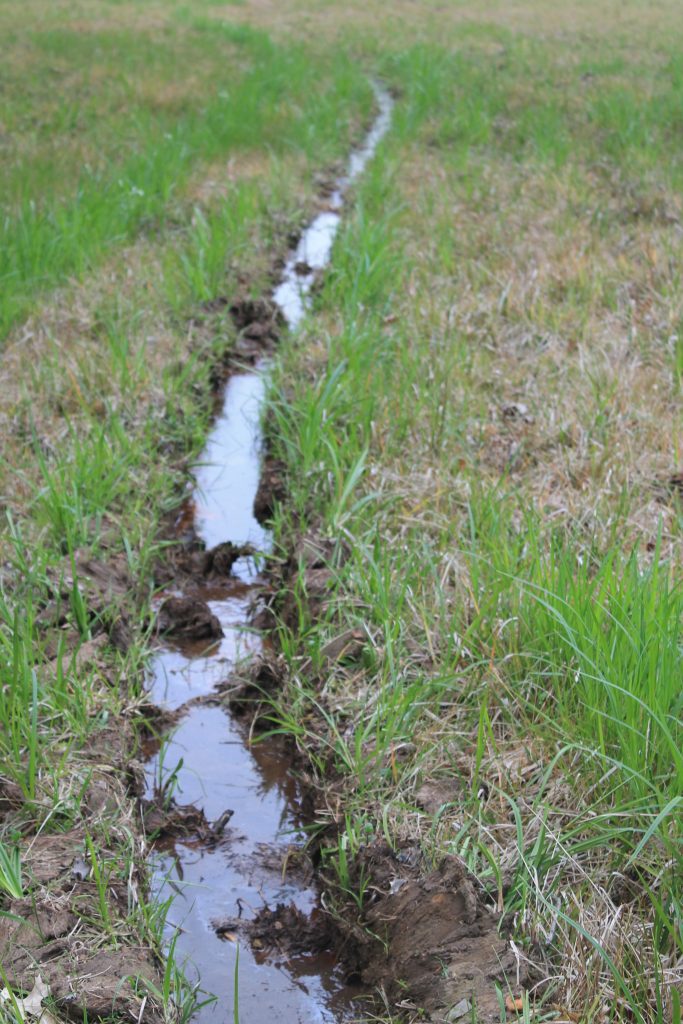
Some studies also suggest deer rise from their beds in the evening and move toward water. That isn’t always the case, but in my experience, it holds true most of the time. Because of this, I focus many of my stand locations near water.
- Signs of the Times
Rubs and scrapes are dead giveaways of buck travel routes. Rubs dot the landscape, but established rub lines connect the dots between well-used bedding areas, staging areas, food sources, water sources, etc. Use these clues to help pinpoint preferred travel routes.
When observing rubs, study them. If rubs are facing in all different directions in thick cover, it can mean several things. First, if buck beds are all around, congratulations. You found the bedding area. If there are no beds nearby, but rubs still face all or most directions, it’s likely a staging area deer use at different times of the day, or how the buck oftentimes enters and exits the bedding area.
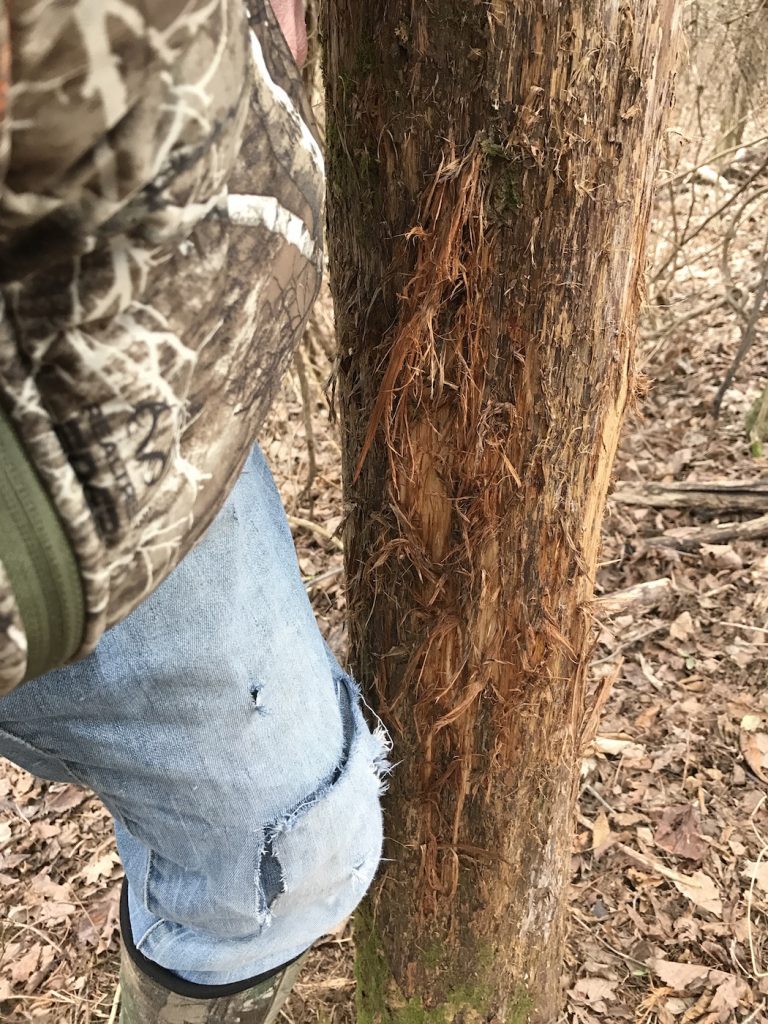
If rubs are in a line, and consistently face the same direction, it’s a preferred travel route. Analyze the direction they face. If rub faces (exposed tree trunk) point toward bedding cover, that’s probably how the buck leaves its bedding area in the afternoon. If the rub faces point toward food sources, that’s likely how the deer returns back to its bed early in the morning. Little nuances like this can really help dial in on a buck’s core area.
Don’t overlook scrapes, too. Of course, southern deer don’t move far from their beds during daylight. So, hunting scrapes on the edges of fields might work in the Midwest, but rarely gets the job done around here. Instead, camp out over scrapes in staging areas, and along travel routes that are closer to bedding areas, not food sources.
And if you find a good rub line or community scrape, throw a couple cameras out. It’s a good way to take inventory during the pre-rut. In pine tree country, these oftentimes follow the lines where pines and hardwoods meet. Any other type of edge habitat works, too.
- Profile the Targets
Throughout my years as a bowhunter, I’ve learned that deer have personalities. Not complex personalities like humans, but every deer shows different levels of aggression, food preferences, daylight walking, susceptibility to pressure, etc. Part of getting it done on a smart southern buck during the pre-rut is learning how to profile specific targets.
I do this over time. In-person sightings are great, but trail cameras in video mode work, too. You can see how deer communicate with other whitetails, their habits, etc. Over time, a picture will come into focus of how deer behave and knowing this can make all the difference. For example, you wouldn’t snort-wheeze at a deer you know is timid. In contrast, you wouldn’t hesitate to grunt or rattle at a buck that’s a proven bully. Or, if a deer rarely moves in daylight, you’ll have to hunt closer to its bed. Whereas, deer that tend to move further in daylight don’t need such a treatment. See what I mean?
- Pattern the Targets
Profiling and patterning go hand-in-hand. Patterning a deer requires intimate knowledge of the property you’re hunting, and learning how deer use and traverse it.
I do this by glassing from afar and carefully running trail cameras. I place cams in three layers (food or water sources, staging areas and bedding areas). I sparingly check most food, water and staging cams, but I do so from a truck, ATV or bike. Bedding area cameras are either cellular models, or only get checked after deer season. In instances of the latter, I use that knowledge for the next deer season.
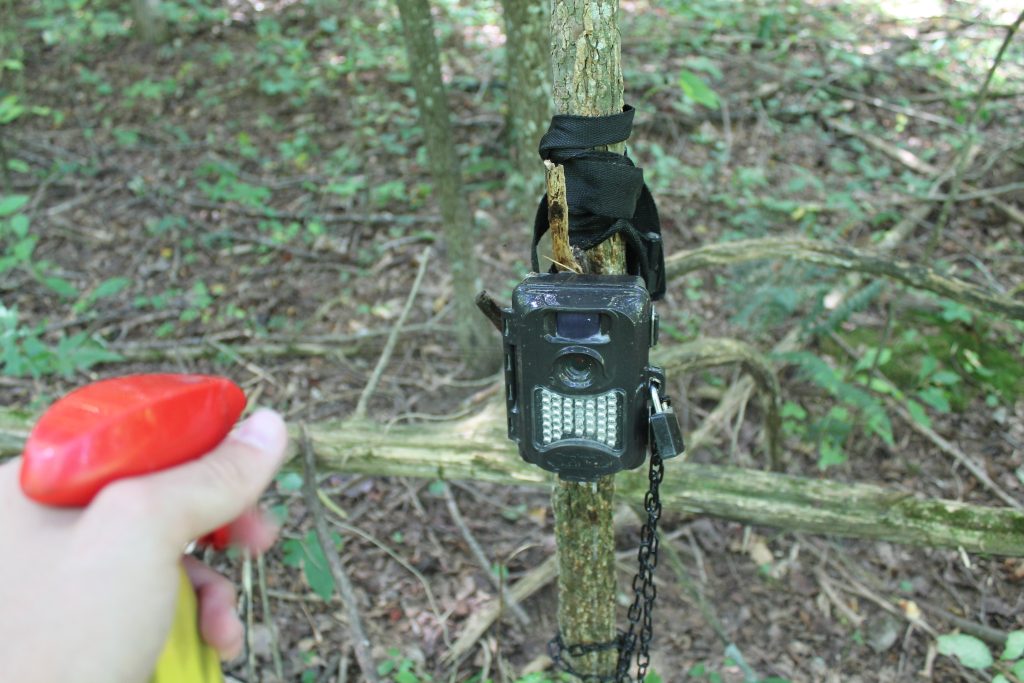
If you have historical knowledge, such as sightings or trail camera photos from past seasons, this can prove extremely valuable, as deer sometimes (but not always) carry over habits from year to year.
Using these pre rut hunting tips over time, all of the knowledge you gain for specific target deer culminates into a game plan, and the pre-rut is a perfect time to execute it.
- Find the “X”
As in duck hunting, finding the X is just as important when chasing whitetails. This isn’t quite as important when hunting with a rifle, but it is with archery tackle. It all hinges on being able to drill down on that one spot where you can intercept that buck. That’s easier said than done, but steps No. 1-7 culminate to get you here.

Personally, I like to put everything down on an aerial map. In-person sighting, trail camera photos, historical information, food, water, scrapes, rub lines, deer trails (charted during the off-season), known bedding areas (again, located after deer season), and any other valuable information is placed on the aerial. When I started doing this, it really clicked and painted pictures of how deer used properties, even for specific deer.
- Time It Right
Once you know where the X spot (or spots) is/are located, wait for the right time. Deer don’t always move well, and it pays to take advantage of high-odds days, such as: temperature drops (a 10-plus degree change in highs within 24 hours), rain events, low humidity, and days with good moon overhead/underfoot positions help get deer on their feet more during daylight. Maybe even go the risky route and hunt a just-off wind? That’s up to you, but it works. I’ve followed these pre rut hunting tips and done it.
- Throw Down Those Cards
Now armed with these pre rut hunting tips, it’s time to thread the needle and play your hand. You know the buck, what it does, when it does it, and how to kill it. Now, just go do it.
Full Disclosure: This post may include affiliate links. There’s no extra charge to our readers for using these.