
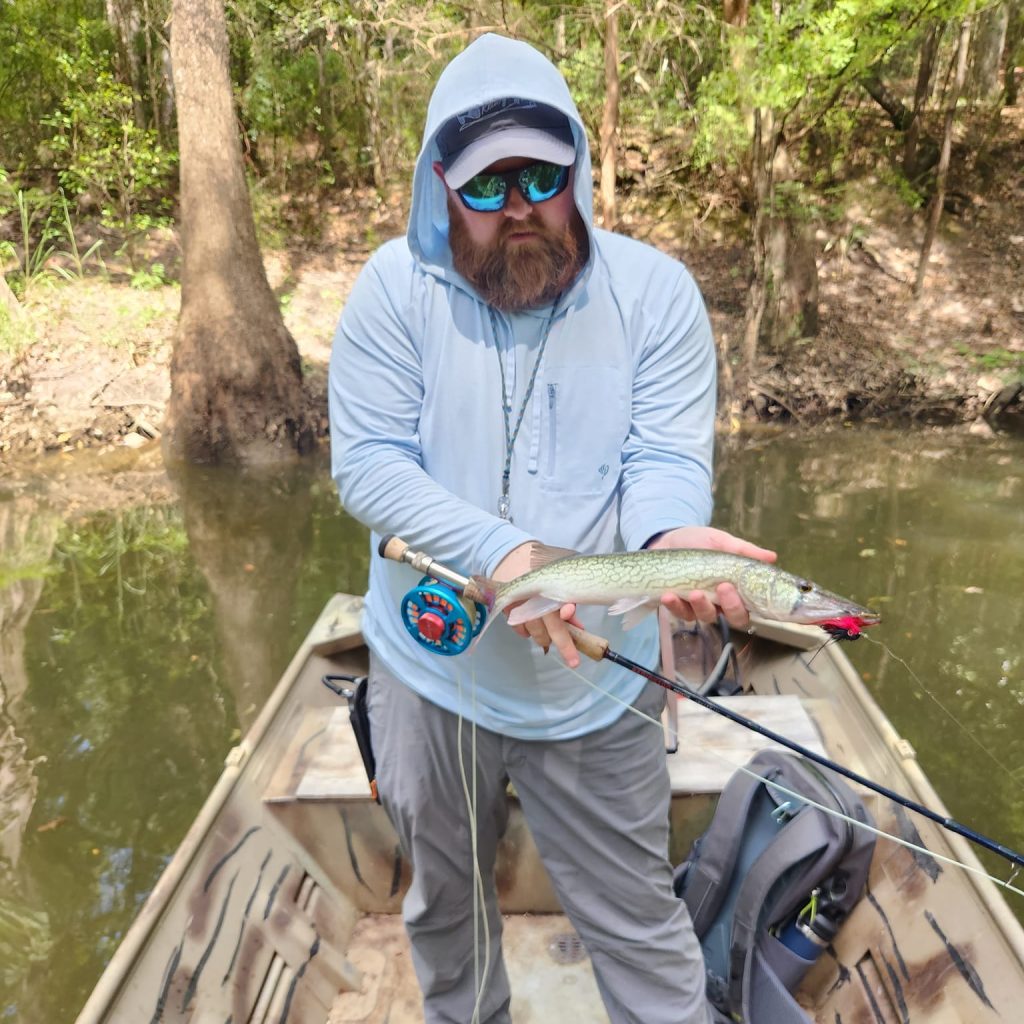
In recent years, the world of fishing has seen a growing shift in how anglers view “rough fish,” a category once relegated to the label of “trash fish.” These species, including gar, bowfin, and suckers, were historically overlooked in favor of popular game fish like bass, trout, and walleye. Dr. Matthew Lewis, a fisheries biologist and professor, is among those working to change this mindset. Through education and advocacy, he is helping to spotlight the ecological importance and unique challenges these fish present, challenging anglers to broaden their scope and embrace the diversity of species in U.S. waters.
The “Trash Fish” Misnomer
The term “trash fish” dates back centuries and was tied to practices that devalued certain species. According to Dr. Lewis, rough fish were often “rough dressed”—a process that removed their organs on boats without the care given to more prized species. This casual treatment became ingrained, and as fishing culture evolved, certain fish retained a low status, labeled as “trash” by default. Influential fishing shows of the past, showcasing only bass and similar sport fish, further entrenched this hierarchy.
“There’s this value system we’ve set up,” Dr. Lewis explains, “where we’ve arbitrarily decided that certain species like bass have more worth, often without scientific basis.” Despite the vast number of native fish species in biodiverse areas like the southeastern United States, rough fish continue to be undervalued by both anglers and conservation policies, creating a complex cultural and ecological divide.
Ecological Importance and Misunderstood Roles
One of the biggest misconceptions surrounding rough fish is their impact on more popular game fish. For instance, gar—a long-lived, slow-growing species—have often been falsely accused of preying on bass. However, research shows that gar primarily consume smaller fish like shad and play an essential role in maintaining ecosystem balance. “These assumptions have been passed down, but they’re not scientifically supported,” Dr. Lewis says. Misunderstandings like these lead to the marginalization of rough fish, which are frequently allowed unlimited bag limits in stark contrast to heavily regulated game fish.
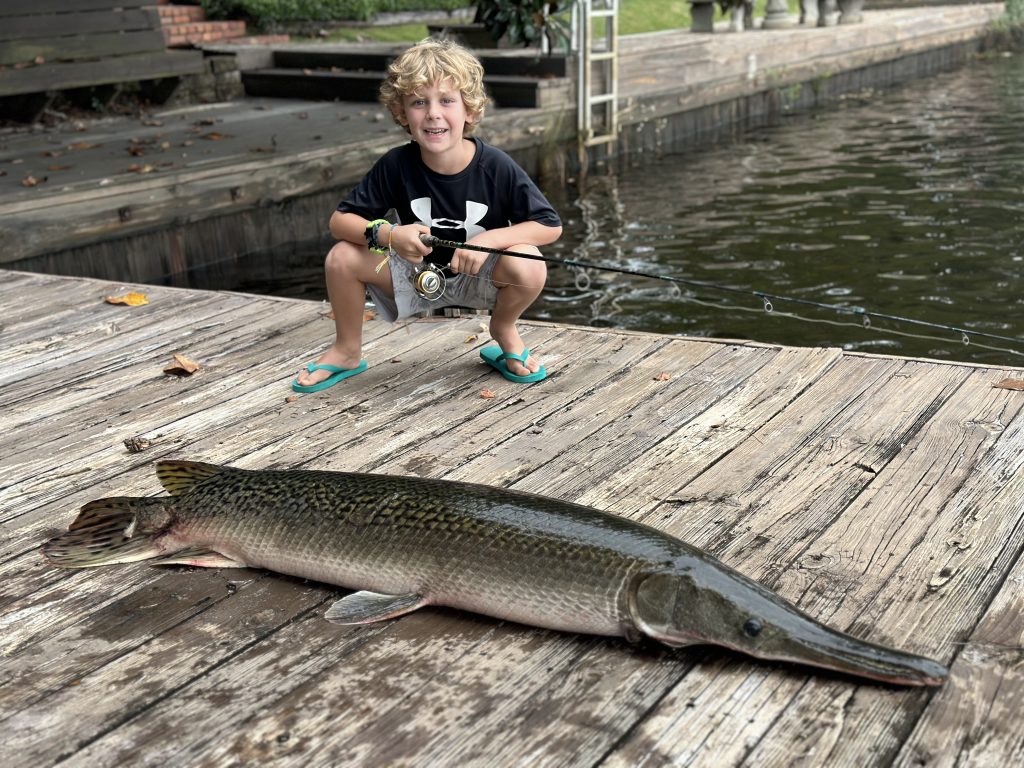
Additionally, many of these species are integral to their ecosystems. With lifespans extending decades in some cases, rough fish contribute to aquatic biodiversity and environmental health in ways only recently being studied. “We’re just now realizing how vital they are,” Dr. Lewis adds, emphasizing the importance of native species that have thrived in local waters for centuries, often overlooked while the focus remained on sport fish populations.
Overlooked Culinary Potential
Another contributing factor to the rough fish stigma is their reputation as poor table fare. Dr. Lewis notes that preferences stem partly from outdated biases. “We have this divide where certain fish were historically viewed as ‘king’s fish,’ while others were considered ‘peasant fish,’” he explains. This culinary prejudice has persisted, even though many rough fish are perfectly edible when prepared correctly. In places with a culinary tradition rooted in local fish, such as Cajun cuisine, species like gar have long been appreciated. Dishes like “gar balls”—a version of hush puppies made with gar meat—demonstrate the versatility of these species in creative cooking.
Highlighting rough fish for their culinary value, however, comes with a note of caution. Because species like gar grow slowly, high harvest rates could quickly harm populations. Dr. Lewis stresses responsible fishing practices, encouraging anglers to understand the life cycles and population dynamics of these species before overharvesting. “Just because a fish isn’t protected like bass doesn’t mean we should exploit it,” he advises.
The Growing Appeal of Rough Fish
An increasing number of anglers are setting aside traditional preferences to pursue rough fish, captivated by the unique experiences these species offer. For Dr. Matthew Lewis, rough fish represent a thrilling and untapped frontier in the angling world. He notes that mainstream fishing culture is shifting thanks to media exposure and a new generation of anglers looking for something different. “People are starting to wake up to the idea that we have amazing, unique species here in the U.S.,” he says.
Dr. Lewis highlights the distinctive qualities of rough fish like bowfin and chain pickerel, both of which bring their own challenges to the angling experience. “Bowfin are incredibly elusive,” he says, recalling a particularly frustrating encounter with the species. “You want a front-row seat to the frustration, that’s what bowfin can give you. They’re tough to catch, and they don’t make it easy—but that’s part of the thrill.” The tenacity and elusive nature of bowfin offer a rewarding challenge that stands in stark contrast to the more familiar rhythms of bass fishing, giving anglers a sense of accomplishment with each catch.

Then there’s the chain pickerel, which Dr. Lewis ranks among his favorites. He appreciates their aggressive behavior, a trait he says is common to species he’s most drawn to. “Chain pickerel are up there for me—they attack with reckless abandon. I like fish that are aggressive, that strike hard, and pickerel deliver that every time,” he says. Their relentless energy reminds him of prized game fish like brook trout or bass, yet they provide an entirely different experience. Pickerel, often overlooked in favor of their larger northern relatives like the pike, bring an excitement to fishing that is both accessible and unique in its own right.
For anglers like Dr. Lewis, pursuing rough fish is about more than just the catch. The allure lies in the novelty and variety these species offer. “As anglers, we love variety,” he says. “If there’s a new species to catch or a new puzzle to solve in learning how to hook them, we’re all in.” The unpredictability and complexity of rough fish create an angling experience that breaks the mold of conventional sport fishing. The fish don’t always play by familiar rules, demanding a new level of skill and patience, which appeals to those who seek a fresh challenge.
The growing popularity of rough fish is also fueled by a wave of anglers eager to expand their skills and test their adaptability. Dr. Lewis notes that rough fish such as gar, bowfin, and carp present a different level of complexity, sometimes requiring specialized techniques and gear. Shows like River Monsters and the rise of social media accounts dedicated to unconventional fishing targets have shown anglers that they don’t need to travel far for an exciting catch. The rise of fly-fishing guides specializing in species like carp and gar also highlights this evolving interest. Dr. Lewis explains that anglers are beginning to realize, “We have ‘exotic’ fishing opportunities right here, without needing to travel to remote parts of the world.”
Another dimension to the appeal is the personal satisfaction of catching a rough fish, a feat often overlooked by traditional anglers. Dr. Lewis describes these fish as “underestimated,” both in terms of the excitement they offer and the skill they require. “Bowfin, for instance, can take frustration to a whole new level,” he admits, “but that makes them incredibly rewarding to catch. They’re resilient, they don’t give up, and when you finally land one, there’s nothing like it.”
For Dr. Lewis, these experiences have reshaped his approach to angling. He recalls a time when, as a young fisherman, catching a chain pickerel felt like a letdown. “I remember fishing for food fish like bass, and if you caught a pickerel, it was kind of a disappointment. People didn’t want to deal with their teeth and attitude,” he says. Now, however, he intentionally seeks them out for that very reason. “It’s wild how perspectives shift. What was once an annoyance is now one of the most exciting catches I go after.”
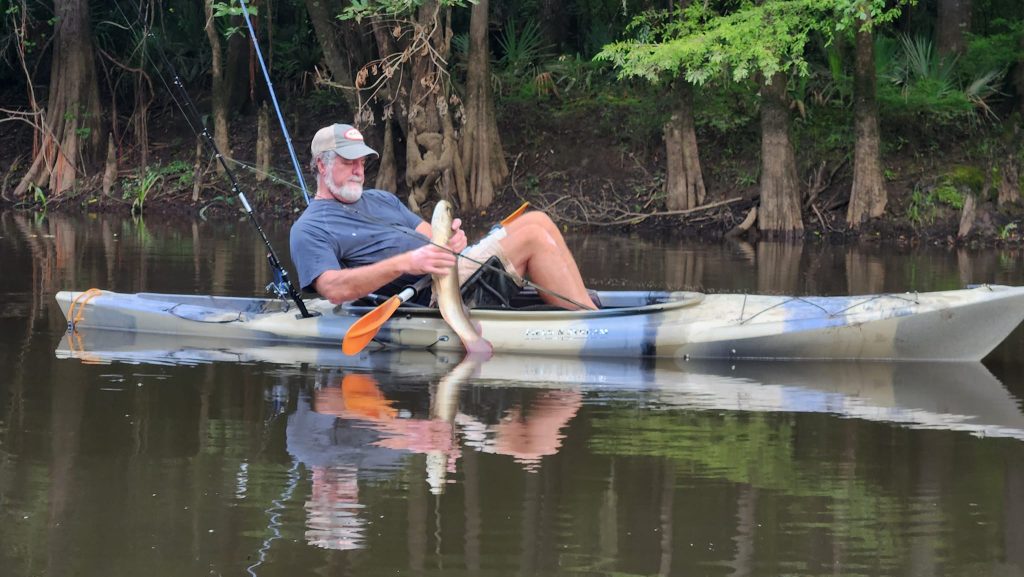
As more anglers catch on to the thrill of rough fish, the appeal continues to grow. The angling community is slowly coming to appreciate these fish not only for their challenge but also for the biodiversity they bring to waterways across the U.S. Dr. Lewis believes this shift is a positive one, emphasizing that the variety in native fish species offers a wealth of opportunity. “We’re starting to realize that these rough fish offer experiences every bit as exciting as the classic game fish, if not more. For those who give them a chance, they’re unforgettable.”
With rough fish garnering increasing attention and respect, they’re beginning to take their place in the angling world—not just as a backup catch or curiosity, but as genuine targets in their own right. As Dr. Lewis and other advocates continue to share their enthusiasm, rough fish are transforming from “trash” into true treasures of the fishing community.
Shifting Values in Conservation and Angling
The re-evaluation of rough fish is also driving changes in conservation policy. Organizations like the Native Fish Coalition are advocating for greater protection and management of native species, including those traditionally considered rough fish. Increasing awareness around sustainable fishing and the ecological importance of species diversity is slowly influencing state policies that, for decades, allowed near-limitless catch rates on rough fish.
Dr. Lewis believes that education is key to changing how these fish are perceived and managed. While there is still a way to go, he sees promise in this renewed interest. “It’s exciting to see this change,” he reflects. “We’re starting to appreciate the incredible diversity of our fish species and realizing that these so-called ‘trash fish’ are treasures in their own right.”
A New Chapter for Anglers
With a growing recognition of rough fish’s ecological roles and sporting potential, the angling community is beginning to value these species in a new light. For Dr. Lewis and many others, the journey has just begun. As anglers expand their perspectives, they embrace the challenge and thrill of pursuing new species. This shift promises a richer, more sustainable future for U.S. fisheries—one that acknowledges the worth of every fish in the water.
By recognizing that “trash” can indeed become “treasure,” today’s anglers are leading the way in redefining what it means to enjoy, respect, and protect our diverse aquatic heritage.