
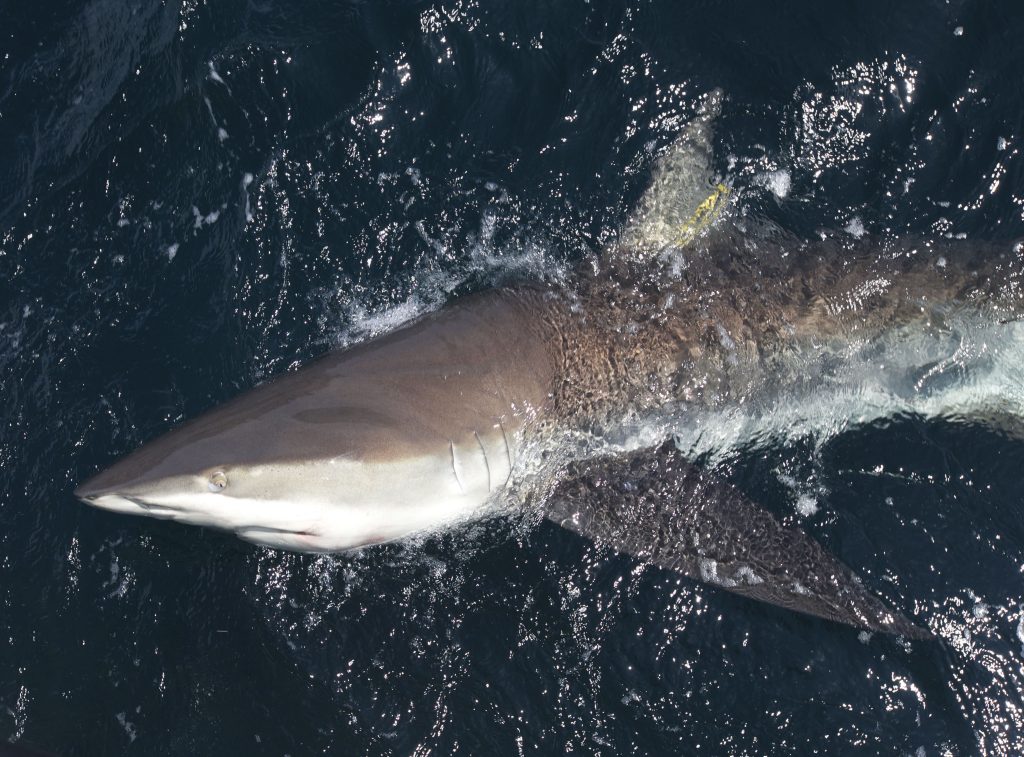
With increased reports of shark encounters from anglers and beachgoers alike, many are wondering whether the Gulf of America is now overrun with these apex predators. Tales of sharks cutting tuna in half or stealing snapper from fishing lines have become common, leaving some frustrated and others concerned about the future of fishing. But is there really an overpopulation of sharks in the Gulf of America, or are we simply witnessing a natural rebound?
Dr. Marcus Dryman, a fisheries scientist at Mississippi State University, brings expert insight into this complex question. Drawing on two decades of research focused on shark ecology in coastal Alabama and Mississippi, he explains why Gulf shark numbers have increased—and why their resurgence may not be a bad thing.
Why Are Shark Populations Rising?
Dr. Dryman acknowledges that shark populations in the Gulf are, in fact, larger than they were in the early 2000s. “There are more sharks in the water today than there were 20 years ago,” he confirms, attributing this resurgence to efforts to rebuild shark numbers after decades of overfishing. In the late 1980s and early 1990s, commercial fishing severely reduced shark populations across U.S. waters. By 1993, regulations like the U.S. Fishery Management Plan for sharks were introduced, leading to strict limits on shark harvesting and protections against practices such as finning.

The result? A slow but steady recovery of shark species that had been in decline. Sharks grow and mature slowly, and it takes decades for their populations to rebound, which is why Gulf waters have only recently begun to see the effects of conservation efforts. “What you’re seeing is what I hear from every single angler in the Gulf of America,” Dr. Dryman explains, noting that while it may feel overwhelming to some, this increase reflects a shift towards healthier populations.
The Role of Sharks in the Ecosystem
While sharks in the Gulf of America may frustrate anglers, Dr. Dryman emphasizes their critical role in maintaining ecological balance. “Healthy shark populations make for healthy ocean ecosystems,” he says, drawing a parallel between sharks and terrestrial predators like wolves. Much like wolves, which control deer and elk populations, sharks help regulate the species below them in the food chain. “They act as cleaners of the ecosystem, often targeting the weak or sick,” he explains, adding that this keeps fish populations healthy and prevents any single species from dominating.
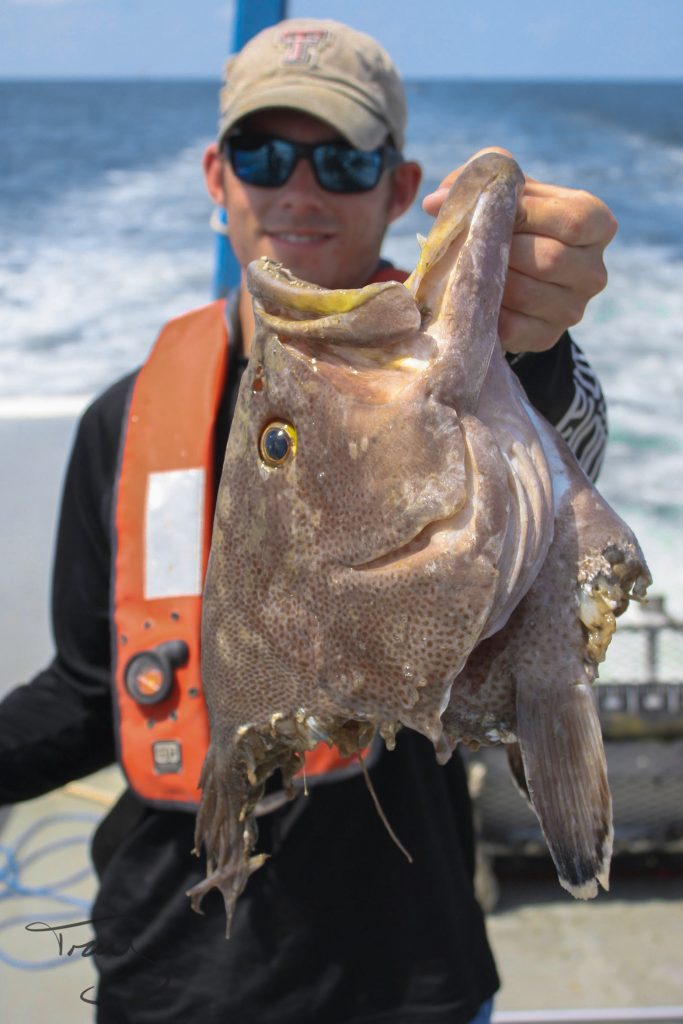
Although it may be frustrating to lose a fish to a shark, Dr. Dryman encourages anglers to see it as part of the natural balance. He says that witnessing a shark in action—taking down a fish—can be awe-inspiring if viewed with the right mindset. “It’s like watching a lion chase down a gazelle,” he says. “These predator-prey interactions are part of what makes the Gulf so unique.”
Could Sharks Be Managed?
Calls to “manage” shark numbers are understandable, especially from anglers who rely on Gulf fishing for their livelihood. However, controlling shark populations is complicated. Unlike terrestrial predators, sharks are challenging to manage through targeted removal, partly due to logistical issues and partly due to public perception. The lack of a robust market for shark meat further complicates things. “There’s still quota for blacktip sharks, bull sharks, and tiger sharks in the Gulf, but those markets just aren’t there anymore,” Dr. Dryman points out.
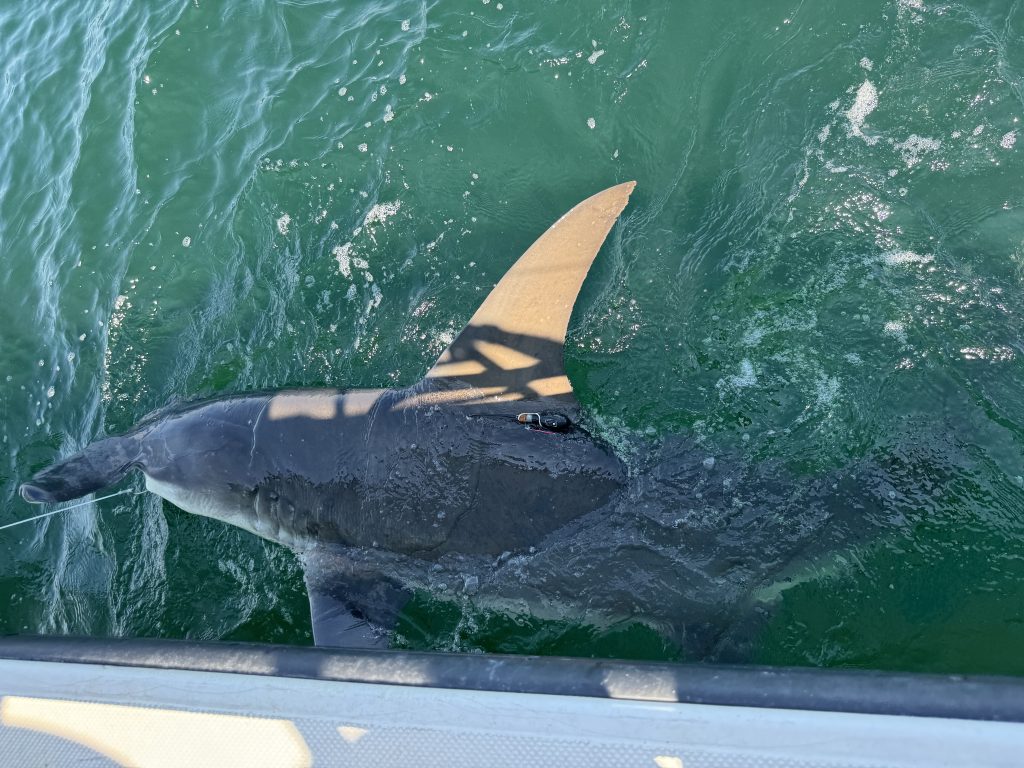
He suggests that creating a sustainable demand for Gulf-caught shark could be a practical way to control shark numbers while also benefiting local fisheries. Gulf blacktip shark, for example, is abundant and suitable for human consumption. “As other seafood becomes more expensive, we could do a good job of marketing the sharks we have here,” he says, explaining that many parts of the world already rely on sharks as a valuable protein source. Though the idea has yet to gain significant traction, Dr. Dryman believes that increasing acceptance of shark meat could help stabilize their numbers.
Deterring Sharks on the Water
For anglers who encounter sharks more frequently, Dr. Dryman suggests a twofold approach: changing behavior and exploring deterrent technology. “The first time you get sharked, as much as it stinks, pick up and go somewhere else,” he advises. Sharks learn where to find easy prey, and relocating after a shark encounter reduces the chances of it happening again.
In addition to moving, he recommends testing deterrent devices that emit signals to repel sharks. Dr. Dryman is currently involved in research on electromagnetic and chemical deterrents that could help fishermen avoid sharks without harming them. “We’re seeing promise with some of these technologies,” he says, noting that while they’re not yet foolproof, deterrents may eventually become a useful tool for managing encounters.
There’s also a surprisingly simple release-side tactic that can reduce shark problems: get fish back down quickly and calmly. Sharks often strike during the fight because they’re drawn to the vibrations and erratic movements — but fish sent down on a descending device are typically “ignored” because they aren’t thrashing. In a Gulf-wide project involving Dr. Marcus Drymon’s lab, charter captains descended 1,000 fish, and only three were documented as being eaten by sharks on the way down.
Shifting Baselines: What’s “Normal” for Shark Populations?
Today’s anglers might feel that shark numbers are unusually high, but Dr. Dryman introduces an important concept: shifting baselines. In fisheries science, this idea suggests that each generation regards the ecosystem it first encounters as the norm, even if that norm differs drastically from historical conditions. “The sea ecosystem is always shifting,” he notes, explaining that what we experience now may not align with earlier generations’ perceptions of a balanced population.

Historical records, such as the Alabama Deep Sea Fishing Rodeo, show that shark numbers—and sizes—peaked during the 1970s before declining due to overfishing in the 1980s. “The state record Alabama tiger shark was caught last year,” he notes, pointing out that the recent increase may actually bring shark populations closer to what they were before overfishing. Dr. Dryman also points to Ernest Hemingway’s accounts of shark interactions in the 1930s as proof that Gulf waters were once teeming with sharks. “Back then, landing a tuna intact before sharks got to it was nearly impossible,” he explains. For many, this suggests that what we’re experiencing today when it comes to sharks in the Gulf of America is more a return to natural levels than an overpopulation.
Great Whites in the Gulf: A New Development?
One surprising trend is the increased presence of great white sharks in the Gulf. Although rare, white sharks have historically visited the Gulf, but new protections and increased food sources, are encouraging them to move in greater numbers. “We’ve been doing these ROV (remotely operated vehicle) surveys since 2010 and hadn’t seen a white shark until this year,” Dr. Dryman reports, noting that recent sightings suggest a shift. “It’s definitely something we’re seeing more of, especially as white shark populations and their prey grow.”