
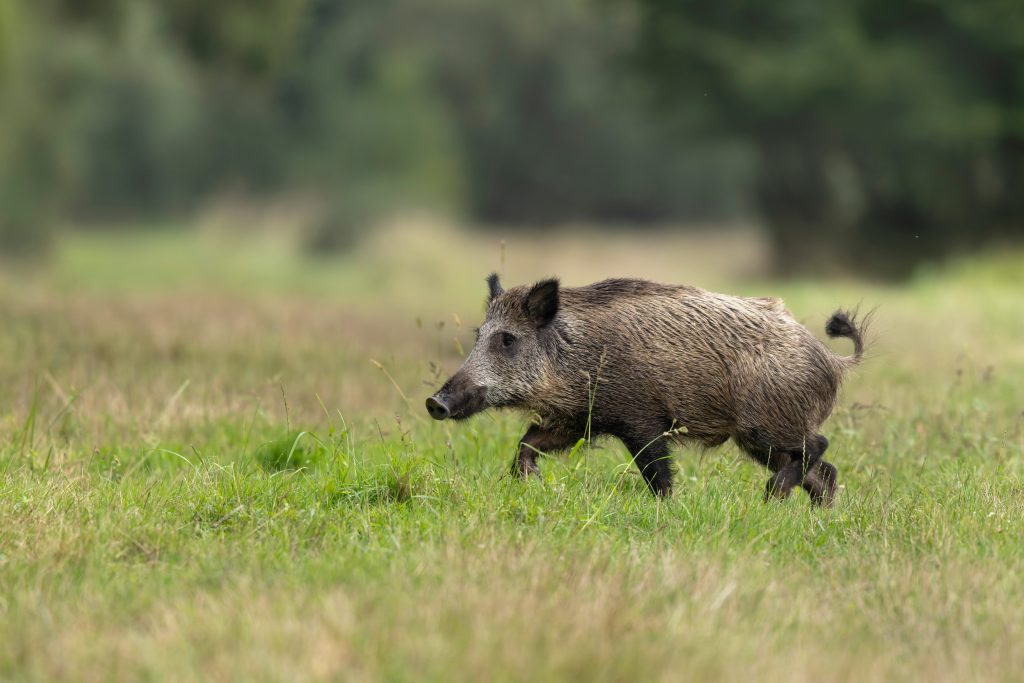
Smoking a wild hog you harvested yourself can be extremely rewarding, and delivers a flavor experience far richer than any store-bought pork. But if you want it to come out right, it takes more than just patience and low, steady heat. Wild hog has its own set of characteristics—leaner, tougher, and much more variable in taste depending on the animal’s diet and lifestyle. In this article, Noah Glanville, President and CEO of Pit Barrel Cooker Co., shares his expertise on how to smoke a wild hog. From choosing the right hog and preparing it to mastering the cooking technique for an unforgettable wild hog meal.
Choosing and Preparing the Meat
When it comes to choosing a wild hog, not all are created equal. For the best results, look for sows between 60 to 90 pounds. These younger animals offer tender meat and a balanced, slightly sweet flavor—especially if they’ve been feeding on acorns. Older and larger boars, particularly those that have been struggling for food, tend to be tougher and stronger-tasting. For the perfect table-ready meat, young hogs that have been eating acorns in the river bottoms are better than anything you’ll find in the grocery store.
If you’re new to cooking wild hog, skip the whole-hog roast and focus on specific cuts instead. Breaking the hog down into parts allows each cut to be cooked to its best potential. Glanville says, “Cook it in cuts—that’s the best way. That pork butt or shoulder needs hours, while the tenderloin could dry out in half that time.” For most wild hog cooks, the Boston butt (the top of the shoulder quarter) or the backstraps are ideal. These cuts are both flavorful and manageable in size for most home cooks.
Seasoning for Success
When it comes to seasoning, Glanville suggests a well-balanced, salty marinade and rub. His go-to is a marinade of Kikkoman teriyaki sauce, combined with his own Pit Barrel Beef and Game rub. “Teriyaki brings out the natural sweetness of wild hog and takes the edge off that gamey taste,” he says. “Let it sit for a day or two in the marinade, then season it up. I’ve had folks tell me it’s better than any steak they’ve had.” After the marinade, he likes to use his rub to add layers of flavor while enhancing the natural taste of the hog.
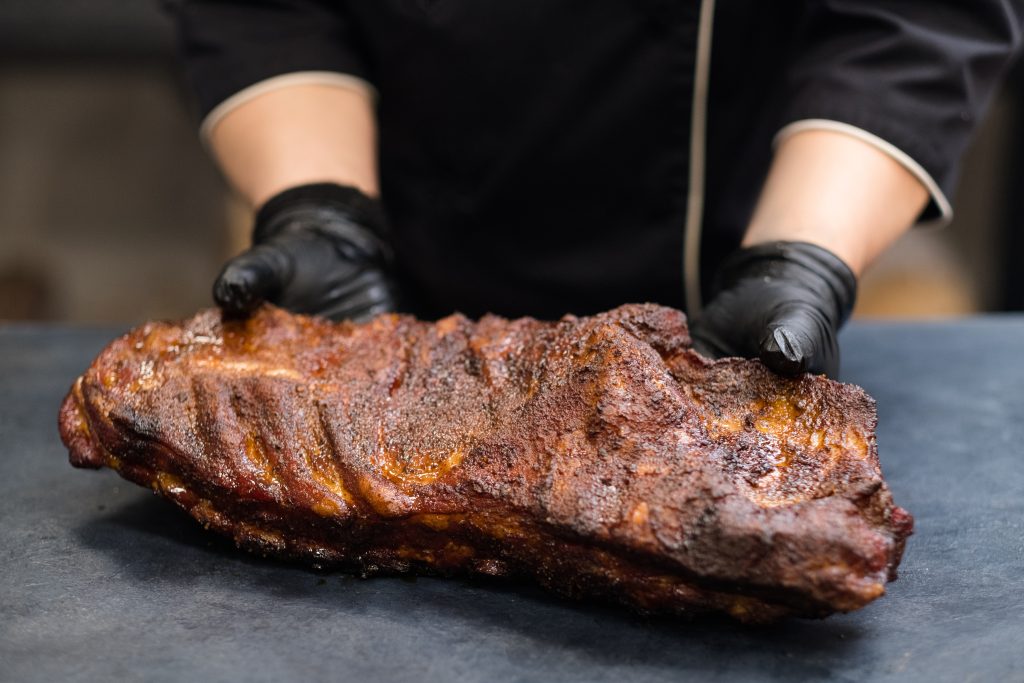
For those just starting with wild hog or game meat, Glanville suggests easing into the flavor. “You know, it’s kind of like bourbon,” he says with a laugh. “No one’s born loving it. But once you get into it, you really crave it.” Gradually shortening the marinating time as you become accustomed to the taste of wild pork will help you grow an appreciation for the hog’s natural flavor. After years of eating mostly wild game meat, I now personally find “market meat” to be overly fatty, mushy in texture, and pretty bland.
Setting Up the Smoker
Unlike pork from the store, which is full of fat, wild hog dries out faster. “Low and slow, that’s the name of the game,” Glanville explains. “The Pit Barrel Cooker is awesome for this because it’s designed to keep that low, consistent heat and cook cuts perfectly over time.” His smoker uses a hanging method, which allows the juices to drip down onto the coals and come back up, infusing natural smoke flavors into the meat. The hanging design also better facilitates air flow around meat and more even heat.
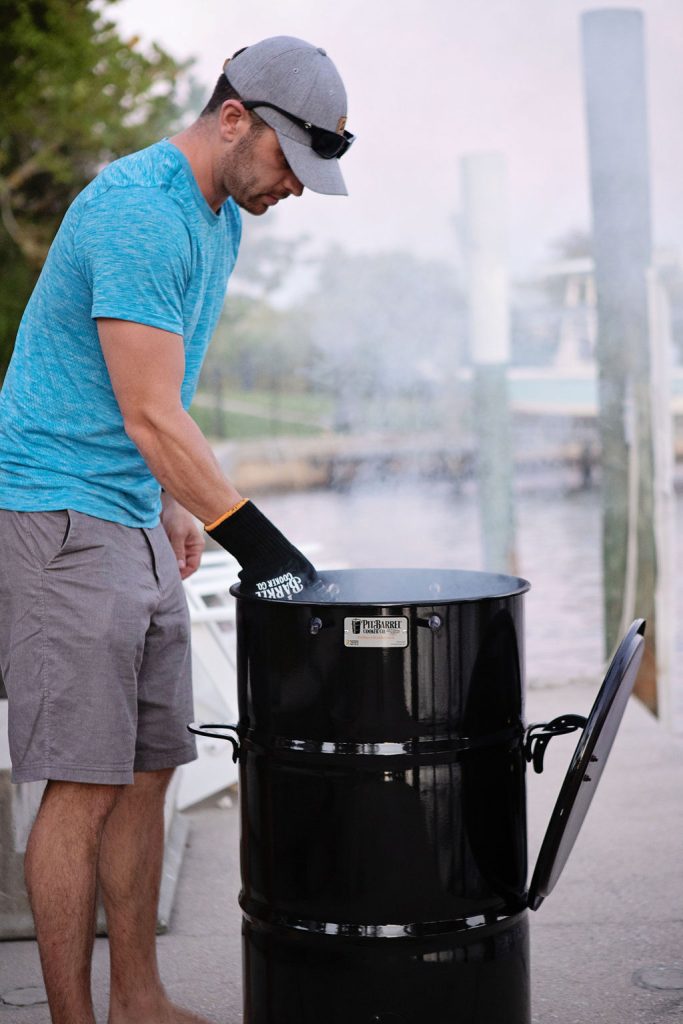
Using the Pit Barrel Cooker is designed to be a straightforward, set-it-and-forget-it experience that delivers consistent, flavorful results without constant monitoring. One of the standout features that simplifies this process is Pit Barrel Cooker Co.’s coal starter, which has been custom-built to hold precisely the right amount of charcoal for optimal cooking temperatures on their smokers. This feature means that users can load, light, and let it run without worrying about under- or over-firing the coals, which is a common challenge in traditional smokers.
“The chimney starter is just the right size to dial it all in,” explains Noah Glanville. “We designed it to be compact so you don’t have to guess at how much charcoal to use. You just fill it, light it, and you’re good to go.” This careful engineering not only reduces setup time but also ensures that each cook is consistent—whether you’re smoking a turkey, ribs, or wild hog.
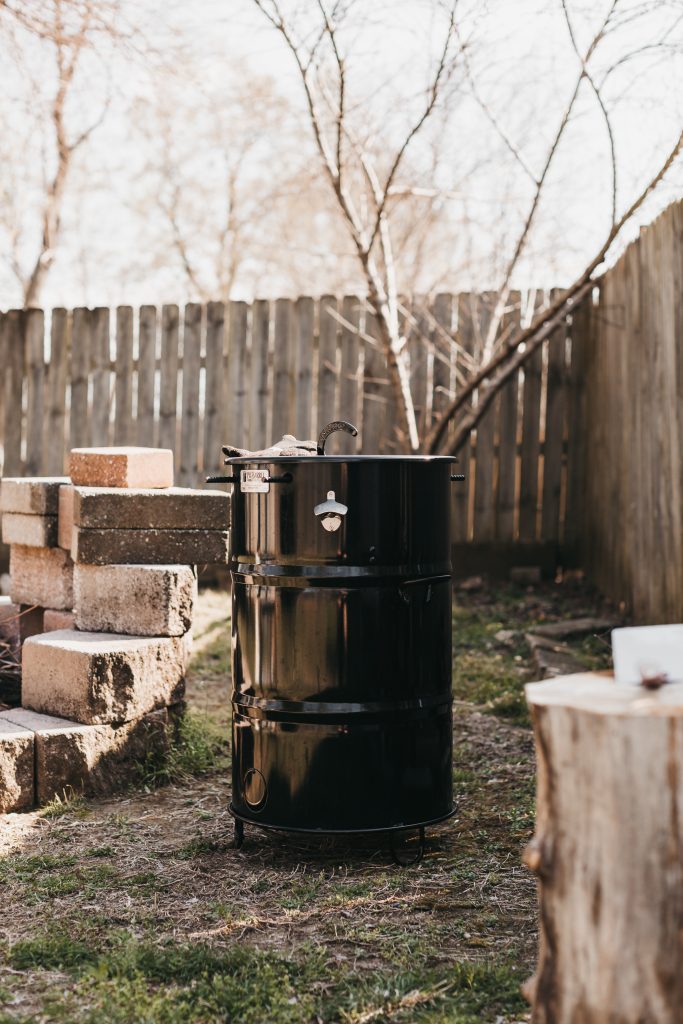
Once the charcoal is lit and the meat is in, the Pit Barrel Cooker holds its temperature with minimal need for adjustment. Unlike other smokers that require fiddling with vents, checking fuel levels, or opening the lid frequently, the Pit Barrel Cooker maintains a steady, even heat, thanks to its well-balanced design and the suspended hanging method, which evenly distributes heat and smoke throughout the chamber.
“You can’t mess it up,” Glanville says. “Once you set it, it holds that temperature beautifully—even if you’ve got something cooking for hours, like a pork shoulder or brisket. If you need to step away, you can trust that it’s going to stay where it needs to be.” This reliable temperature maintenance means users can step away from the cooker, whether it’s to tackle another task or simply to relax and enjoy the experience, without sacrificing cooking quality.
Glanville adds, “If you go to the store and come back a bit later than planned, you don’t have to worry. The Pit Barrel’s so forgiving, even if it goes an hour or so longer, it’ll still be just right.”
Mastering the Cook: Timing and Temperatures
Each cut of the hog requires special attention to bring out the right texture and flavor. For a pork shoulder, cook it until it reaches an internal temperature of 195°F. Wrapping it in foil after it hits 160°F locks in moisture and helps it retain flavor as it finishes cooking. On the other hand, the backstraps should be treated more like a steak, cooked to about 140°F before letting it rest. “Wild hog dries out quick,” says Glanville. “That’s why I keep each piece separate and let it finish at its own temperature.”

And when it comes to resting, Glanville emphasizes how important it is to hold the temperature for a bit after cooking. “It’s not just about getting to 195°F,” he explains. “It’s holding it there. Wrap it up, put it in a cooler, and let it rest for a couple of hours. You do that, and the meat just pulls apart. It’s night and day.”
Wood Selection for Flavor
The choice of wood for smoking is another critical element. For wild hog, Glanville prefers oak for its balanced, smoky flavor. Hickory is another good option, as it provides a stronger smoke, while fruitwoods like apple and peach add a subtle sweetness. “Oak is my go-to,” says Glanville. “It’s hard to mess up with oak, and it adds a really nice flavor without overpowering the meat.”
While heavier woods like mesquite are popular for beef, they can easily overpower the mild flavor of hog. Glanville adds, “With a lighter wood, like oak or hickory, you get a hint of the smoke but still taste the meat.”
Avoiding Common Mistakes
Even seasoned grillers make some classic mistakes when smoking wild hog. “If you’re going to cook the whole hog, it has to be consistent,” Glanville warns. He’s seen folks try to rush the cooking by cranking up the heat, which only results in unevenly cooked meat. “Most people aren’t familiar with the process, so they start ramping up the heat when it’s taking longer than expected. Then, when the outside looks done, the inside is raw. I’ve been to more than one whole-hog roast where they pull it off the fire and half of it isn’t even cooked.”
Glanville’s advice for smoking a wild hog is to play it safe and cook each part separately if you aren’t experienced. “Cook it in parts, especially for wild hog. You’ll get better temps, and it won’t take as long. You go whole hog only if you really know what you’re doing.”
Final Tips for Flavorful Results
When it comes to finishing touches, don’t overlook the power of a good tangy barbecue sauce to complement the rich, smoky flavor of wild hog. “I’m a vinegar barbecue sauce guy myself,” Glanville shares. “But I’ll work with whatever’s around. I’ll add honey, sriracha, and a bit of whiskey to something like Sweet Baby Ray’s to make it my own, for example.” For those looking for something ready-made, Glanville recommends Meat Mitch Char Bar Table Sauce for its balanced, tangy taste.
Smoking a wild hog is not a process you rush, and it’s one that requires focus on both temperature and timing. But when done right, you get a flavor that’s unmatched and unforgettable. The next time you shoot or trap a nice, fat young sow-pig, give the grill and slow-cooker a break and try your hand at smoking a shoulder roast. Odds are, it’ll become your new favorite way to cook wild hog.