
By Travis Lee | Guest Contributor
Hunting the Southern pre-rut can be as frustrating as it is full of potential. The patterns are murky, rut timing varies from county to county, and what works up north often falls flat in the Deep South. That is exactly why hunters should pay close attention to Travis Lee.
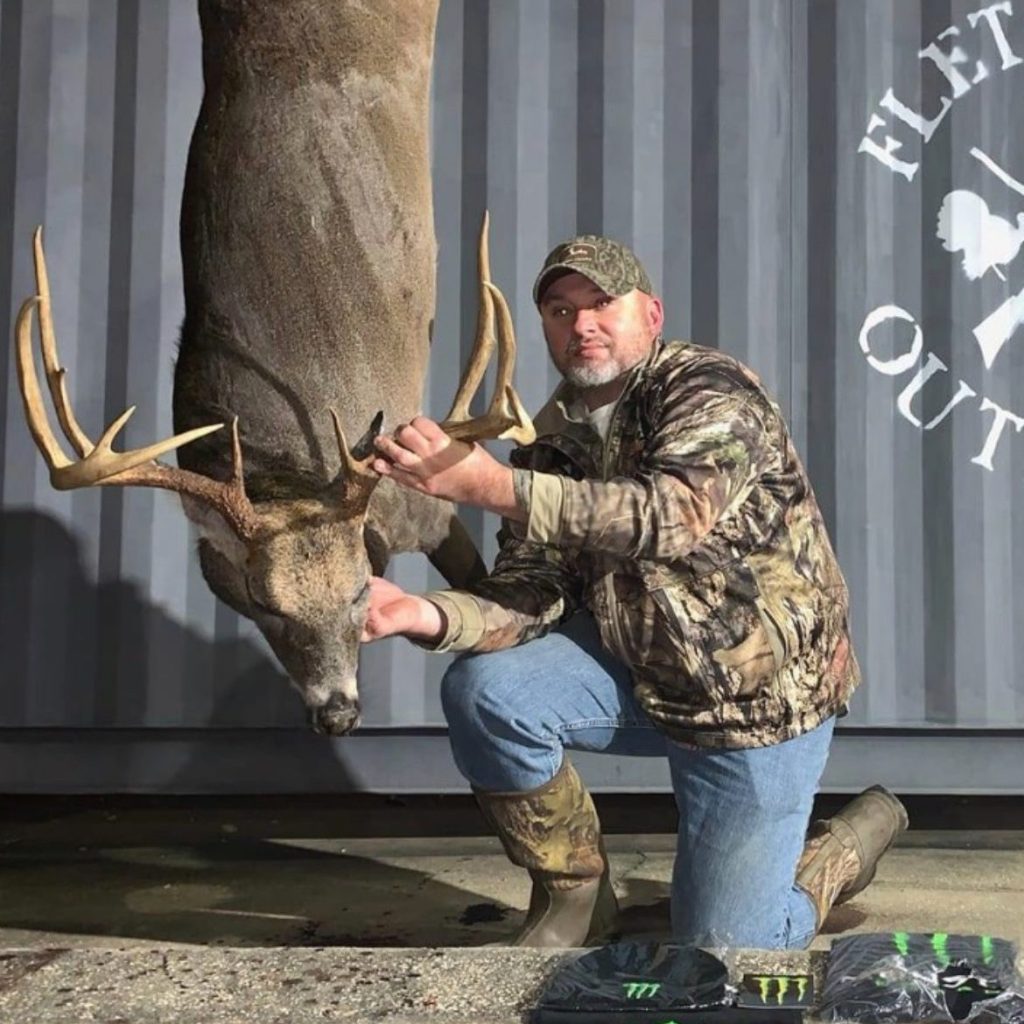
Lee is a lifelong deer hunter who cut his teeth in the sandy soils and thick cover of the Gulf Coastal Plain. He has spent decades learning how bucks behave in the unpredictable Southern rut cycle, and more importantly, how to kill mature ones consistently. With over 25 bucks on the wall scoring 130 inches or better, Lee’s results speak for themselves.
He is not another Midwest guru pushing cornfield strategies in a region with a different language altogether. He is a Deep South hunter who understands the nuance of Southern deer behavior and how to adapt tactics, especially trail camera strategies, for the pre-rut period when daylight activity starts to heat up.
Understanding the Southern Pre-Rut
Ask five hunters to define “pre-rut,” and you will likely get five different answers. Some call it the moment bucks start scraping. Others associate it with the first signs of chasing. In reality, the pre-rut is a broad phase, especially in the Deep South, where much of the season technically qualifies as “before the rut.” But for Travis Lee, the pre-rut has a specific feel and a defined set of behaviors.
“Pre-rut to me,” Lee explained, “is when bucks start splitting up and locking into their core areas. They’re working rub lines, checking scrapes, and starting to scent-check bedding areas and food plots, just looking for those first available does.”
In his part of Alabama, that shift typically begins around Christmas and runs through roughly January 12. But the real action, the part that gets him in the woods, is what he calls the “seeking phase.”
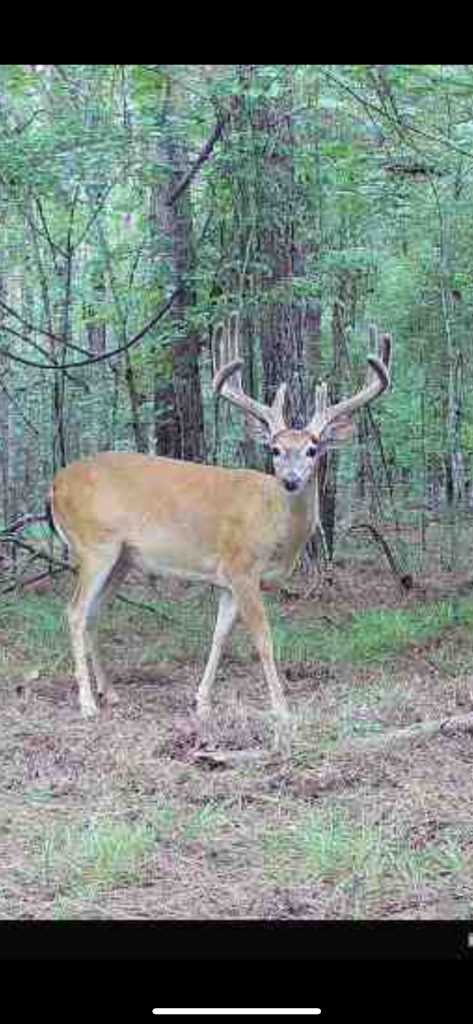
That seeking phase usually shows up between January 5 and 12, when bucks are on their feet during daylight, cruising with purpose but not yet locked onto hot does. “The bucks are ready, but the does aren’t,” he said. “They’re up, covering ground, checking everything they can find.”
This is when you will see deer movement start to change. Bucks break out of their feeding routines, appear in new areas, and start bumping does just enough to test the waters. It is not full-blown chaos yet, but the switch has flipped.
Still, Lee is quick to caution hunters not to get hung up on dates. Rut timing in the Deep South can vary dramatically even from one property to the next. His calendar might not match yours.
Why Trail Cameras Shine in the Pre-Rut
For Travis Lee, trail cameras are the cornerstone of his pre-rut strategy. Specifically, he uses them to dial in on one critical piece of the puzzle: where bucks are bedding and how they are moving around those areas.
Lee’s process begins with identifying likely bedding locations. Whether it is a thick pine stand, a cutover, or a streamside thicket, he looks for low-pressure spots with the kind of dense cover that mature bucks favor. From there, he places cameras on the fringes, often near rub lines or subtle trails, to monitor when bucks are entering and exiting those areas.
His goal is not just to confirm a deer’s presence, but to detect a pattern. “If I catch a big deer going into his bed just before daylight,” Lee said, “and I’ve got the wind right, I’m going to be sitting there that afternoon.” That kind of precise, time-stamped intel gives him confidence to move in for a high-odds hunt.

Cellular trail cameras have supercharged this approach. By staying completely out of an area until conditions are perfect, Lee can monitor multiple sites in real time without leaving scent or creating pressure. “That’s been the most beneficial thing we’ve ever had as hunters,” he said.
In the pre-rut, bucks start moving more, expanding their range and checking for does, but they are still tied to their core areas. That makes camera intel especially valuable during this window. Even a subtle daylight appearance near bedding cover can be enough to justify moving in.
Cold Fronts and Camera Timing: The Killer Combo
Perhaps the most actionable tip Lee shared is how he pairs trail camera intel with cold weather patterns. He focuses on two- to three-day windows following significant cold fronts, particularly the first strong north or northwest wind. Bucks, he says, are far more likely to hit green food sources during these short windows.
“Weather trumps everything,” Lee explained. “The harder the wind blows from the north, the better.” Cold fronts do not just spark movement; they also help mask noise and scent during entry and exit, which is critical when hunting near bedding areas.
Rather than hunt just because it is the weekend, Lee picks his days based on pressure and weather. By combining real-time camera activity with favorable conditions, he avoids burning out a spot and increases the odds of catching a buck during one of those brief, high-percentage windows.
Trail Camera Placement in the Pre-Rut
Lee’s camera placement is all about proximity to movement without compromising bedding sanctuaries. He avoids placing cameras directly in food plots, where most mature bucks will not show until after dark. Instead, he focuses on transition zones, edges where thick bedding cover begins to open up.
These are often the first places a buck will stage before stepping into a plot, or where he will pause to scent-check the area. Rubs in these locations are key indicators. “Big rubs on the edge of bedding, that’s what gets me excited,” Lee said.
He also monitors funnels and natural corridors like SMZs or logging trails that connect thick cover to feeding areas. These spots often serve as travel routes during the pre-rut, especially during the seeking phase when bucks begin to roam more actively.
Occasionally, he will set a camera on a scrape if it is part of a larger cluster or located near bedding cover. But overall, he puts more faith in rubs. Scrape activity, he notes, is too often nocturnal to be reliably hunted, though it can still provide useful clues when paired with other sign.
The goal is never just to get photos; it is to understand timing. If a buck shows up at 5:00 a.m. headed toward his bed, Lee takes note. That kind of pattern can help him set up in the afternoon with confidence, knowing the deer is likely bedding close.
Backtracking Bucks
Sometimes, the key to finding a buck in daylight is not catching him on a bedding edge, but catching him after dark and reverse-engineering his path. That is where Lee’s backtracking method comes into play.
When a camera reveals a mature buck hitting a plot or travel route at night, Lee does not write it off. Instead, he treats that photo as a starting point. “I want to find out where he’s entering, what trail he’s using, and then push my cameras closer to where I think he’s bedding,” he said.
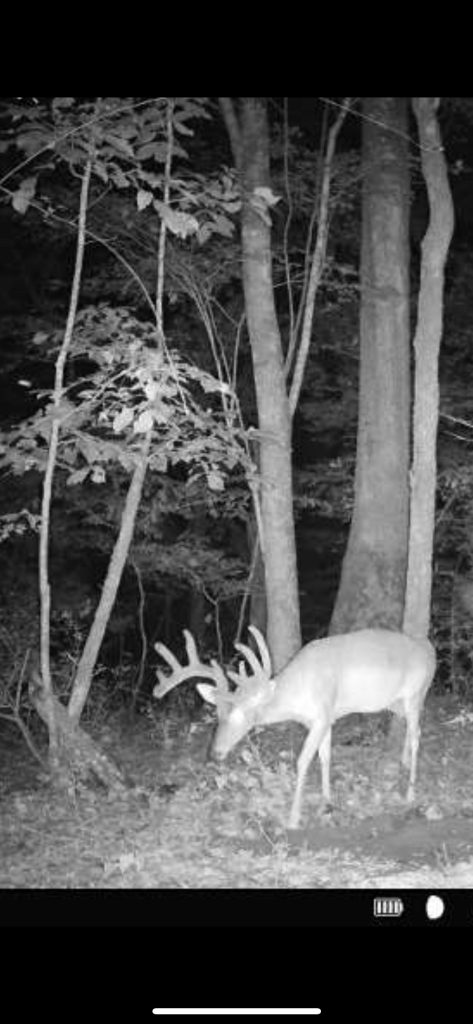
This approach is slow, methodical, and heavily informed by terrain and sign. Lee might move a camera 100 yards closer to suspected bedding cover, observe what he picks up, and repeat the process until he pinpoints a daylight vulnerability. Rubs, faint trails, and terrain features help guide those adjustments.
The real payoff comes when he catches a buck slipping into bed just before daylight. “Catching one going in early in the morning, that gets me more excited than anything,” Lee said. “If I’ve got the wind, I’m going to be sitting there that afternoon.”
It is a strategy built for the pre-rut, when bucks are still loosely tied to their home ranges but mobile enough to expose patterns. Backtracking allows Lee to move from confirmation to confrontation, narrowing the gap between intel and opportunity.
Final Thoughts: High Odds, Low Impact
The Southern pre-rut does not have to be about luck. Trail cameras, when used smartly, allow you to monitor movement without burning your best spots. And by combining camera data with favorable weather patterns and precise timing, hunters like Travis Lee are stacking mature bucks on their walls.
If there is one piece of advice Lee left listeners with, it is this: “Cold fronts, big rubs, and low pressure—get those three things right, and you’ve got a real shot at killing a mature buck during the pre-rut.”
And if you are not already leveraging your trail cams to their full potential, now is the time to start.