

As offshore and inshore anglers, trolling motors have become an essential part of how we fish. I’ll be the first to admit, I don’t want to leave the dock if my trolling motor isn’t working right. From holding on a spot bottom fishing or quietly maneuvering through a grass flat, trolling motors have evolved into one of the most important tools we have on the water.
To help break it all down, I sat down with William Montgomery and Chad Eubanks of Bluewater Marine Service, and they gave me a master class on choosing the right motor, battery setups, and fixing common issues.
Choosing the Right Trolling Motor: Where to Start?
The first step when picking a trolling motor is understanding how you plan to use it. Offshore? Inshore? Just for spot-lock? It all matters.
“We always start by asking what their expectations are,” said William. “Are they offshore fishing? Are they inshore fishing? Are they trying to actually maneuver the boat, or are they just trying to do a spot lock?”

That kind of context matters because not all motors are built the same. Offshore anglers might prioritize holding position in rougher seas, while inshore guys want pinpoint maneuverability.
Sizing Shaft Length and Thrust: Don’t Just Buy the Biggest
Many folks walk into the shop thinking they just need the longest shaft trolling motor available. But that can create problems. For shaft length, you need to measure from the waterline to the mounting location and consider sea conditions, ensuring the prop stays deep enough to avoid cavitation, but not so long that it takes up too much deck space when stowed. Each manufacturer also provides specific sizing guides.
Here is what William had to say about shaft length: “Each manufacturer kind of does their measurements a little bit differently. Shaft length is something we’re going to get specific with manufacturer. But the critical thing is you have to have that motor and propeller assembly deep enough in the water so where it doesn’t cavitate. But then on top of that, when you start getting into seas, and you got one foot two foot seas, the boats rock and roll and you have to have plenty of shaft to keep that trolling motor deep in the water to ensure that’s going to operate properly.”
“What they forget is that the trolling motor is not always deployed,” said Chad. “You have to stow that trolling motor at some point, and so you have to find that balance of usable deck space that you can forfeit to a trolling motor.”
As far as thrust goes, William offered a rule of thumb: “You’re looking at about two pounds of thrust per 100 pounds of boat.” From there, you fine-tune based on your vessel, bow height, and fishing conditions.
Battery Setup: Lithium vs. Lead Acid
Batteries are a hot topic in trolling motor discussions, and for good reason. The switch to lithium batteries offers real advantages, but it comes at a price.
“With lithium, you can get a battery that’s not much bigger than a single group 31, but it’s 36 volts and has more capacity than three lead acids combined,” said William. “It’s a huge space saver and lighter, too.”
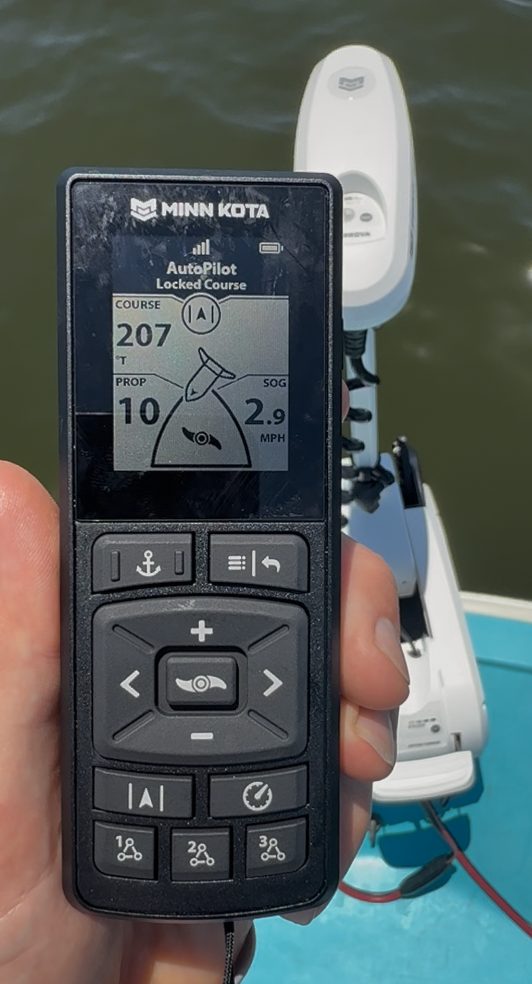
But Chad reminded us it’s not always plug and play. “Sometimes you have to change the charger or buy a lithium-specific charger. It’s not always a straightforward, ‘Oh yeah, let’s just do lithium.’”
If you’re on the water all day, or a guide who depends on your motor, lithium can pay off in longevity and power output. Another factor to consider when choosing a battery type is, how long will you be keeping your boat? Are you a guy that keeps your boat for 10-15 or even 20 years? If so, lithium may be worth the investment in the long run.
Troubleshooting Common Trolling Motor Issues
Trolling motors have come a long way in durability, but when something goes wrong, the source isn’t always what you expect.
“The failure that’s causing the problem is actually not a trolling motor problem,” William explained. “A lot of times it’s something going on with the batteries, or corrosion, or a bad circuit breaker.”
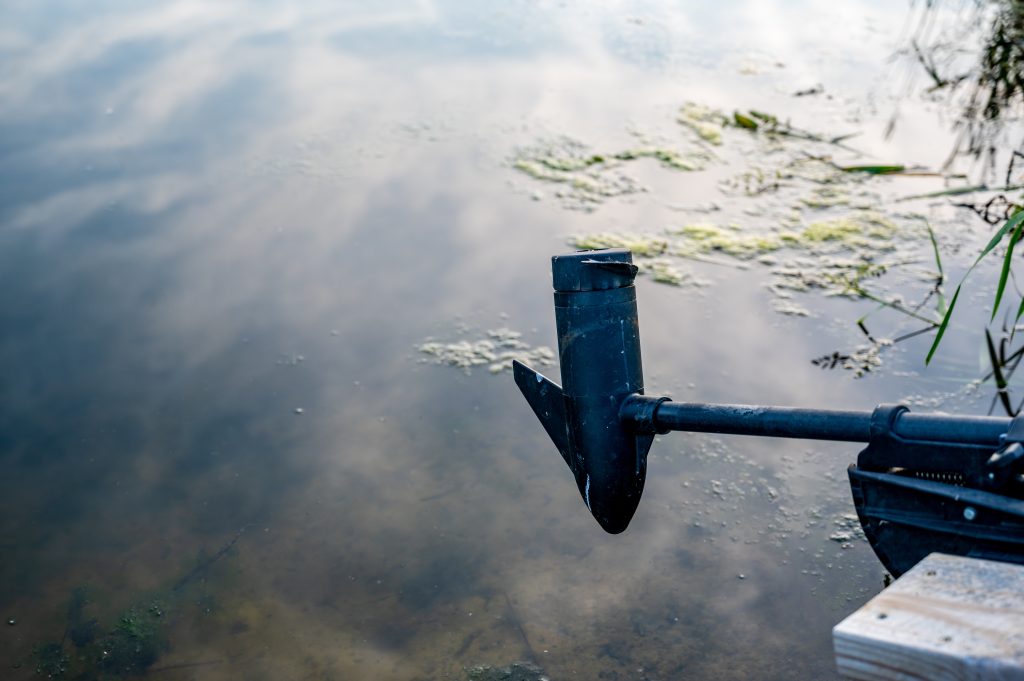
Another common culprit? The stow sensor. “It senses when the trolling motor is stowed so you can’t accidentally turn the propeller on,” Chad said. “We see a lot of those fail.”
Other easy-to-miss issues include:
- Dead remote control batteries
- Loose wires
- Corroded connections
- Lost pairing with GPS or remotes
Pre-Trip Checklist: Don’t Let a Small Problem Ruin Your Day
Before you even think about heading offshore, William recommends a quick DIY checklist:
- Check the batteries – Look for corrosion and make sure they’re wired correctly.
- Test your charger – Especially if it hasn’t been used in a while.
- Inspect connections – At the battery, the breaker, and the bow.
- Check your remote – Change the batteries.
- Deploy the motor – Make sure it runs, pairs, and responds to commands.
“Charge the batteries, make sure everything’s topped up before your trip,” William said. “Clean the connections and check them all.”
Battery Charging Best Practices
We closed our conversation talking about storage and charging habits. If you fish every weekend—or just once a month—you need to treat your batteries right.
“For lead acid, if you have a modern three-stage charger that goes into float mode, leave them plugged in,” William said. “It’s totally safe.”
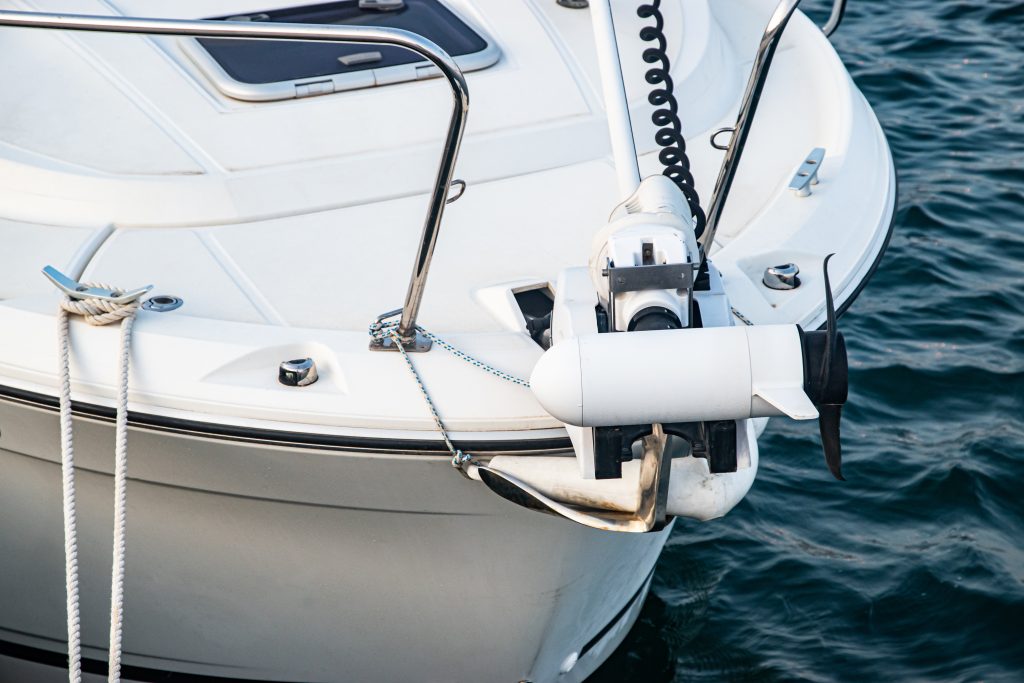
Lithium, however, is more case-by-case. “Some lithiums allow for constant float charging, and some don’t. You really need to go by what the battery manufacturer recommends.”
Final Thoughts
Whether you’re outfitting a bay boat for precision inshore casting or rigging a center console for offshore spot-locking, getting the trolling motor setup right can be the difference between frustration and flawless function. And when something goes wrong, it’s usually not as big a problem as you think.
“The only dumb question is the one you didn’t ask,” Chad said. “Just give us a call. We’re happy to help.”
Bluewater Marine Service has seen it all, and they’re just a phone call away when you need real-world, tested advice.