

I’d used almost every turkey calling device in my vest. None had produced a gobbler response while hunting in Mexico to try and complete my Grand Slam by taking a Gould’s turkey. I pulled out my push-button box call. I knew it wouldn’t impress my guide, but it had produced U.S. turkeys. After I gave three quick yelps, the valley I was hunting exploded with gobbles.
Setting up in a small, open area and giving more soft yelps, I saw six longbeards standing 10-20 yards away in less than five minutes. When I pointed my shotgun at the biggest turkey about 10 yards away and squeezed my 12-gauge’s trigger, that tom almost lost his head.
Although many hunters don’t think much of a push-button call, it will almost always produce turkey gobbles when other calls won’t. Just about anything that squeaks, squawks, or cries can and will call a wild turkey. So, when it comes to turkey calling, learn to use a variety of calls.
The Power of the Pushbutton Call
While many hunters dismiss pushbutton calls, they can be surprisingly effective. On a recent hunt in Mexico, after trying every call in my vest without success, I used a pushbutton call. Three quick yelps echoed through the valley, and the woods came alive with gobbles. Within minutes, six longbeards were within 20 yards, and I had my shot.
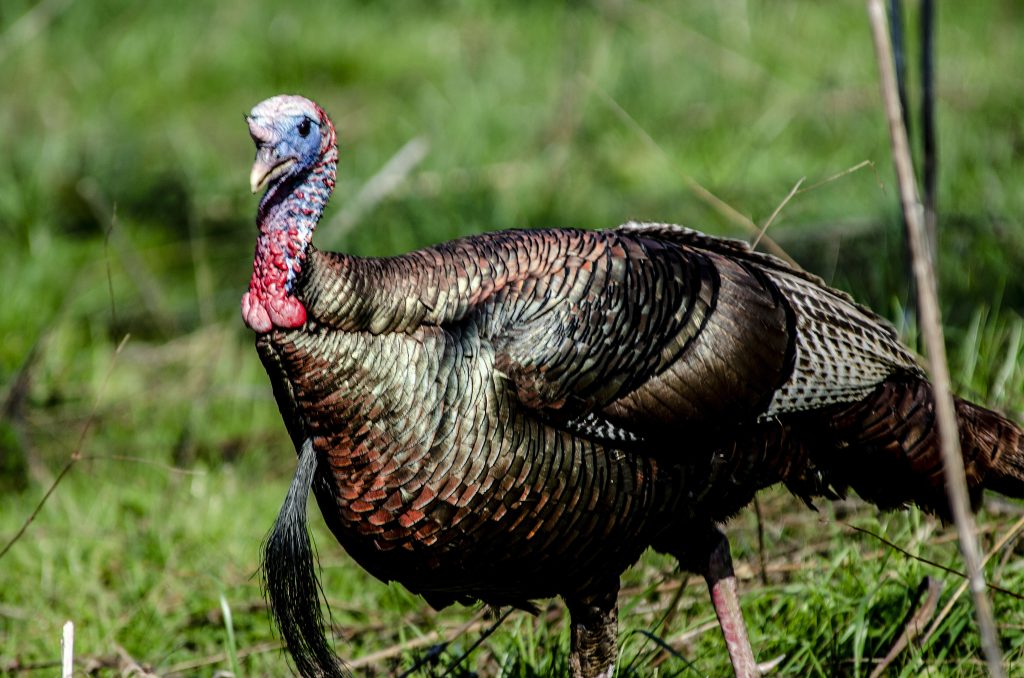
A pushbutton call is simple but reliable. It may not impress other hunters, but it works — even when turkeys ignore other calls. Keep one in your vest; it might just save your hunt.
Understanding Turkey Calling Like a Chess Game
Turkey hunting is often compared to chess. While learning basic calling techniques is essential, knowing when to break the rules can make you a master hunter. Each gobbler responds differently, so adapting to the situation is key.
The following scenarios offer insights into different turkey behaviors and how to adjust your calling strategy accordingly.
1. The Classic Fly-Down Setup
- Situation: You hear a gobbler at dawn and move within 100–150 yards.
- Tactic: Give a soft tree call. After the turkey flies down, use light yelps.
- Outcome: If the gobbler moves toward you, stay still and wait for a clear shot.
2. The Stubborn Tom
- Situation: A gobbler responds to your call but won’t budge.
- Tactic: Use a series of clucks, yelps, and cutts.
- Outcome: Often, the increased excitement can bring the tom closer.
3. The Hung-Up Gobbler
- Situation: The bird is strutting and drumming at 50 yards, refusing to come closer.
- Tactic: Use soft clucks and purrs to mimic a contented hen.
- Outcome: The gobbler may relax and move closer.
4. The Walkaway Tom
- Situation: The gobbler loses interest and walks away.
- Tactic: Use a mouth diaphragm call to imitate a hen walking away.
- Outcome: The tom may close the distance out of curiosity.
5. Repositioning for Success
- Situation: The gobbler remains at 50 yards despite your best efforts.
- Tactic: Stop calling, wait for the bird to leave, then circle around and try from a new angle.
- Outcome: The change in position can make the tom more willing to come closer.
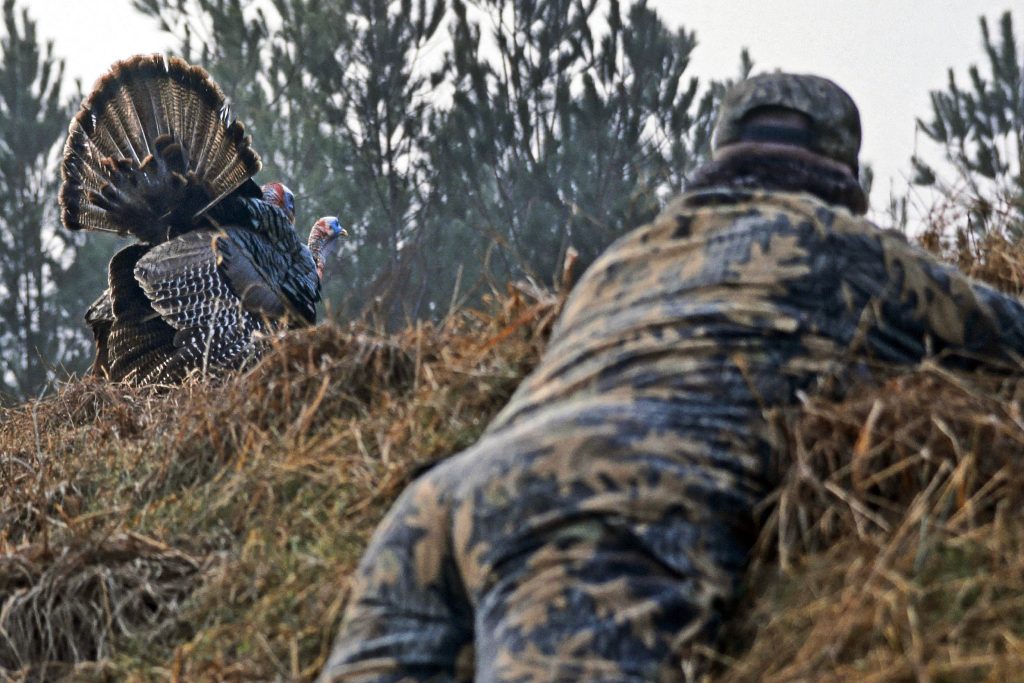
6. Following the Gobbler
- Situation: The tom gobbles and walks away.
- Tactic: Follow at a distance, calling occasionally with louder yelps.
- Outcome: The gobbler may return to investigate the persistent hen.
7. Mid-Morning Strategy
- Situation: A gobbler refuses to respond at first light.
- Tactic: Return around 10:00 AM and make soft clucks and yelps.
- Outcome: A tom may come in silently, so stay alert.
8. Buddy Hunting for Success
- Situation: A tom is call-shy and hangs up.
- Tactic: One hunter calls from 50–100 yards behind the shooter.
- Outcome: The tom may move within range of the shooter without spotting the caller.
9. Outsmarting a Suspicious Gobbler
- Situation: The gobbler refuses to move, assuming a hen should come to him.
- Tactic: Use a locator call to monitor his movements, then reposition ahead of him.
- Outcome: The gobbler may come in, thinking he found a new hen.
10. On Turkey Time
- Situation: The gobbler takes his time.
- Tactic: Stay patient. Avoid overcalling.
- Outcome: Patience often leads to success.
11. Surprise Encounters
- Situation: While focusing on one tom, you hear another drumming behind you.
- Tactic: Decide quickly whether to wait, turn around, or hope for the front gobbler to come closer.
- Outcome: Stay calm and assess the best option for a clean shot.
12. Dealing with Call-Shy Toms
- Situation: A heavily hunted bird ignores traditional calls.
- Tactic: Try buddy hunting, switch up calls, or mimic a hen moving away.
- Outcome: The change in sound patterns may convince the gobbler to respond.
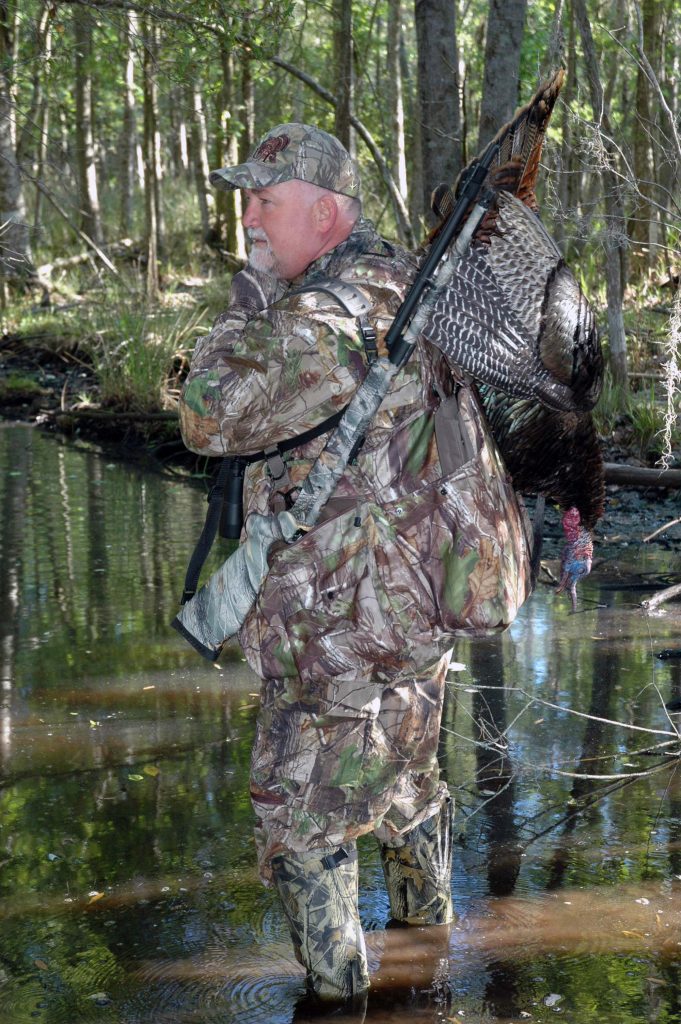
13. The Helicopter Tom
- Situation: The tom flies straight down into a flock of hens.
- Tactic: Predict the flock’s movement using scouting knowledge.
- Outcome: Set up along their route for a better chance.
14. Crossing Water Obstacles
- Situation: A tom is across a river or lake.
- Tactic: If possible, get on the same side of the water as the bird.
- Outcome: Your chances increase dramatically.
15. Using Environmental Sounds
- Situation: You hear a tom gobbling in response to loud noises, like tugboat horns.
- Tactic: Carry an airhorn or use a crow or owl call to locate gobblers.
- Outcome: This trick can help pinpoint their location for a better setup.
Types of Turkey Calls
Familiarize yourself with different calls to adapt to changing scenarios:
- Box Calls: Easy to use, great for producing loud, realistic yelps.
- Mouth Diaphragm Calls: Versatile for hands-free calling.
- Slate Calls: Ideal for soft, close-range calls.
- Tube Calls: Effective for mimicking aggressive turkey sounds.
- Wingbone Calls: Traditional and unique in sound.
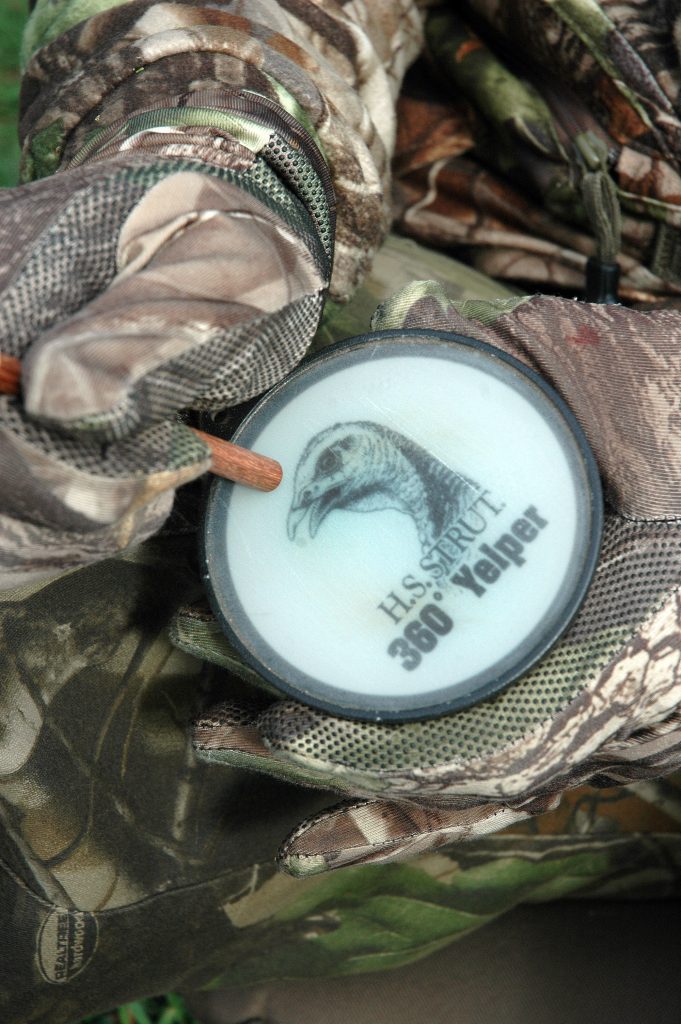
- Pushbutton Calls: Simple and effective for beginners and experienced hunters alike.
Turkey Vocabulary
Understanding turkey sounds enhances your calling effectiveness:
- Hens: Use yelps, clucks, purrs, cackles, and putts to communicate.
- Gobblers: Gobble to attract hens, drum to display dominance, and putt when alarmed.
Final Thoughts
Turkey hunting is as much about strategy and patience as it is about skillful calling. Adapt to the bird’s behavior, stay flexible, and use these scenarios to guide your hunt. For more turkey hunting tips, consider attending a free Adult Mentored Workshop or explore John E. Phillips’ turkey-hunting books. Happy hunting!