
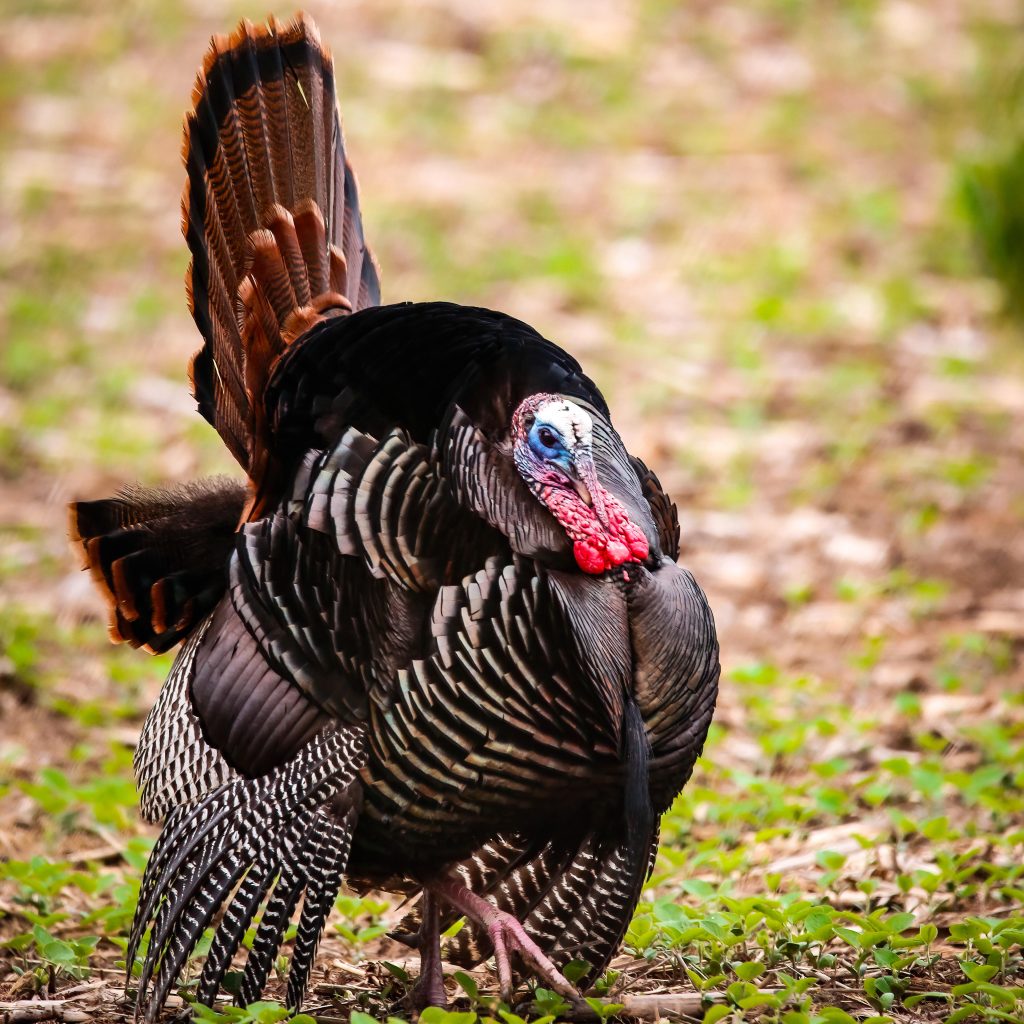
There are some turkey calls that stay in your hand all spring, and there are others that only shine when the moment is exactly right. Gobble call falls squarely into that second category.
Used at the wrong time, it can send a bird in the opposite direction. Used at the right time, it can flip a hunt in a matter of seconds. That is why the turkey gobble call has such a strong reputation among serious hunters. It is not a beginner’s crutch, and it is not something to overuse, but in the hands of someone who understands what a gobbler is thinking, it can be one of the best ways to break a deadlock.
Joe Slaton knows that better than most. Slaton is a two-time Grand National Gobbling Division champion, and he has spent decades learning not just how to make a gobble sound right, but when it actually helps kill turkeys. As Slaton put it, “I started probably trying to learn how to gobble in the early 90s,” and from the beginning, he had a clear goal: “I wanted to be proficient enough at a gobble to actually call turkey in with it.”
Plenty of hunters know how to sound like a gobbler. Fewer understand how to use that sound as a tactical move in a real hunt.
This article is based on insights shared by Joe Slaton in an episode of the Huntin’ Land podcast. You can listen to the full conversation here.
Powered by RedCircle
What a Gobble Call Is Really Saying
A lot of turkey hunters spend most of their time trying to sound like a hen, and for good reason. Hens are the center of the spring woods. But a gobble call is trying to tell a completely different story.
In Slaton’s words, “it’s the audio version of a gobbler decoy.” Instead of showing a tom a visual threat, you are making him hear one. You are telling him there is another gobbler in his space, around his hens, and possibly challenging his place in the pecking order. That challenge is what makes the call work. “Most of it is jealousy or fight,” Slaton said. “If I can get in close to a gobbler that I know has hens, and I gobble at him, he is not going to allow another gobbler to come in close and take his hens away. So he’s going to come and fight.”

That is the key to understanding when to use a turkey gobble call. You are not trying to sweet talk a bird. You are provoking him.
The Best Times to Use a Turkey Gobble Call
The gobble call is at its best when a bird is already worked up but needs one more push to commit. Slaton described two of the most reliable situations.
The first is when a gobbler is henned up. That is the classic frustrating scenario of spring turkey hunting. You know where the bird is. He answers. He may even strut and gobble for an hour. But he has hens with him, and he is not about to leave them just because he hears another hen off in the timber.
That is when gobbling can change the tone of the whole encounter.
“If I can get in close enough to his hens that I’m a threat to take his hens away, it doesn’t take long,” Slaton said. “One gobble, two gobbles in a row, something like that, and it’s pretty much attacking his group, his authority and his hens.” At that point, the gobbler often does exactly what you hoped he would do. “A lot of times you’re going to come to fight.”
The second good situation is when a gobbler is hung up without hens. This is a bird that knows roughly where the “hen” is, has answered your calling, but still will not close the distance. In that case, gobbling can create a different kind of urgency. Now he believes there is another gobbler with those hens, and jealousy kicks in.
That is one of those turkey hunting truths that gets proven over and over in the woods. A bird that would not come to affection may come charging to competition.
Distance Matters More Than Most Hunters Think
One of the biggest mistakes with gobble calls is using them from too far away.
Slaton was clear that proximity changes everything. If a gobbler has hens and is several hundred yards away, he is unlikely to abandon them to go investigate a rival he hears in the distance. “They’re not going to go 300 yards,” Slaton said, “to try to find somebody that’s off by himself and leave all his hens there.” But when you slip inside his comfort zone, the reaction changes fast. “If you can get under 100 yards, anything under 100 yards is going to be threatening to a gobbler. He’s going to want to fight.”
That 100-yard mark is not a hard rule everywhere. Terrain matters. Thick Southern timber, swamp edges, rolling hardwoods, and open country all change how turkeys use sound and space. But the principle holds across regions. The closer that rival gobbler appears to be, the more personal the threat becomes.
And once that threat feels real, things can happen in a hurry.
Slaton put it bluntly: “When it does trigger, you’d better have your gun up already to shoot, because they’ll run you over.” That is the kind of practical advice that only comes from someone who has seen the call work on real birds, not just on stage.
When Not to Use a Gobble Call
This is where judgment separates good gobble call use from bad gobble call use.
Not every longbeard wants to fight. Some birds have already been whipped enough that the last thing they want is another confrontation. Slaton described the type perfectly: “If you got a sub dominant bird that’s been whipped for the last two months… and he don’t want to have any connection with any other gobblers around… try to gobble at him, he’s going to be like, nope, I’m out of here.”

That is a bird most hunters have seen, whether they realized it or not. He is often alone. He does not strut much. He is usually slicked down, pecking, feeding, and only offering an occasional gobble. He may be callable, but not with aggression. Gobbling at that bird can feel like kicking a dog that has already lost too many fights.
So before you ever use a gobble call, watch the bird if you can. Listen to how often he gobbles. Pay attention to posture and attitude. An aggressive bird that is strutting, searching, and sounding off is a much better candidate than a lonely, cautious subordinate tom.
Should You Sound Like a Boss Gobbler or a Jake
Not all gobbles say the same thing, and Slaton believes that matters.
“When I’m wanting to fight, in other words, a bird with hens, that kind of scenario, I’m going to sound like the biggest, baddest guy in town,” he said. That makes sense. A dominant bird guarding hens is more likely to react to a real threat than to a half-hearted challenge. “A lot of times, those birds aren’t threatened by Jake gobbles.”
But that does not mean a younger-sounding gobble has no place. Slaton explained that a Jake style gobble can still be effective when dealing with subordinate birds. Even birds that do not want trouble with a dominant gobbler may still come in to straighten out a younger bird trying to climb the ladder.
That is one more reason gobble calls are not an all-purpose tool. The sound, intensity, and cadence should match the situation.
Match the Bird’s Energy
One of the smartest pieces of advice Slaton shared had less to do with the call itself and more to do with timing and attitude. When he is working a fired-up gobbler, he does not gobble randomly. He matches the bird.
“A lot of times I’ll try to match him,” Slaton said. “If he gobbles and I gobble at him, or if I gobble and he gobbles back at me, then I’m going to jump back on him and gobble at him again.” That back and forth matters because it sounds like a real confrontation. “They kind of go back and forth like that, and then when it gets close enough, it’s time to fight.”
In other words, the gobble call works best when it sounds like a live argument, not a rehearsed sound effect.
That means paying attention to cadence, urgency, and what the bird is already telling you. If he is cutting distance and getting hot, stay with him. If he is fading, reassess.
The Best Turkey Gobble Call for Beginners
For hunters who are new to using a gobble call, Slaton recommends keeping it simple. “I think the easiest one would be the shaker tube type,” he said. Those calls are easy to operate, produce a convincing enough sound for most hunting situations, and do not require the kind of precision that mouth calls or box call gobbles demand.
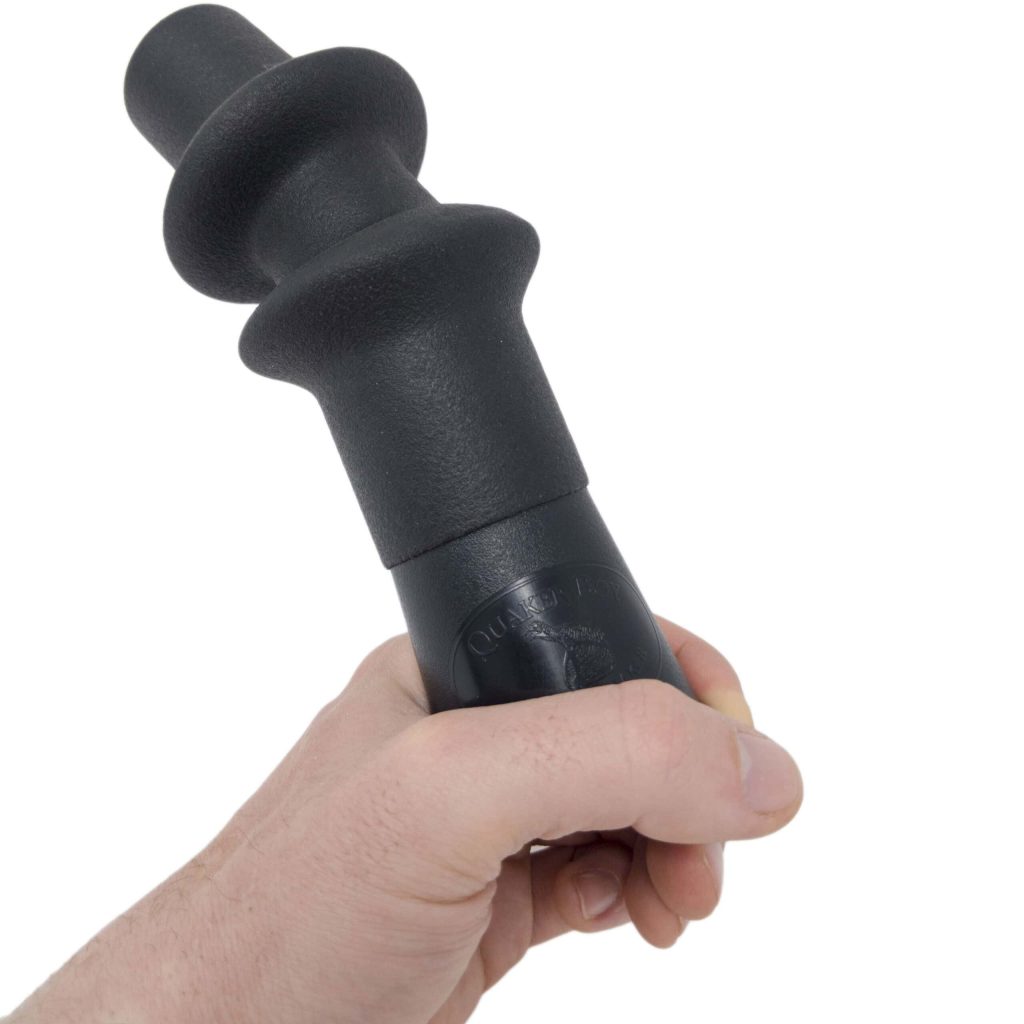
That is important because most turkey hunters are not making gobble calls under relaxed conditions. If you are close enough to use one effectively, there is a good chance your heart rate is already up and your window to get things right is narrow.
A shaker-style gobble call can make a lot of sense in that moment. It may not have the depth or nuance of a championship mouth call gobble, but it is practical. And practical kills turkeys.
Can You Gobble on a Mouth Call
Yes, but it takes work.
Slaton has spent years refining a mouth call setup specifically for gobbling. He uses a dedicated gobble call, not the same one he yelps or purrs on. “It sets in my mouth call case until I want to use a gobble,” he said. “So it’s not something I’m going to yelp on, cluck and purr, do all that kind of stuff on, and then gobble when I want to.”
For hunters wanting to learn, Slaton teaches a simple starting point built around the phrase “tooka, tooka, tooka.” Speed that rhythm up, add pressure, and begin developing the roll and break of a real gobble. It is not something most people master overnight, but it gives hunters a good framework for practicing.
And Slaton’s advice here is refreshingly honest. Gobbling on a mouth call is hard on latex, hard on technique, and not always necessary. There is nothing wrong with using the easier tool when the situation calls for it.
The Real Value of a Gobble Call
The best way to think about a gobble call is not as a magic fix, but as a pressure tool. It is for the moments when a gobbler needs to feel threatened, challenged, or jealous enough to make a mistake.
That is why experienced hunters talk about it the way they do. It is not an everyday play. It is a specialty move for a specific problem.
And when it works, it often works fast.
So if you are looking to add one more piece to your spring turkey hunting game plan, the lesson from Joe Slaton is clear: do not focus only on how to make the sound. Learn what the bird has to be feeling before that sound matters. Used with the right read on the situation, a turkey gobble call can turn a stalled hunt into a dead bird in short order.