

As fall rolls in and temperatures begin to dip, the Gulf Coast fishing scene enters one of its most dynamic and unpredictable phases of the year. According to Captain Justin Leake of Panama City, October might just be the most exciting time to fish, not because it’s easy, but because everything is changing. From bait movement to predator patterns, the weeks surrounding a cold front require anglers to stay nimble, adaptable, and tuned in to the wind. Here’s how Leake approaches fishing a cold front: before, during, and after a it hits.
Before the Front: Opportunity Wide Open
The calm before the front can be some of the best fishing you’ll experience all year. Leake describes pre-frontal conditions as full of possibility. With light or southeast winds and crisp, clear skies, these days offer flexibility. “Pretty much do what you want,” he says. Inshore species like speckled trout, redfish, and even tarpon are still hanging around, while offshore, snapper, mackerel, and the occasional mahi or sailfish are in play.
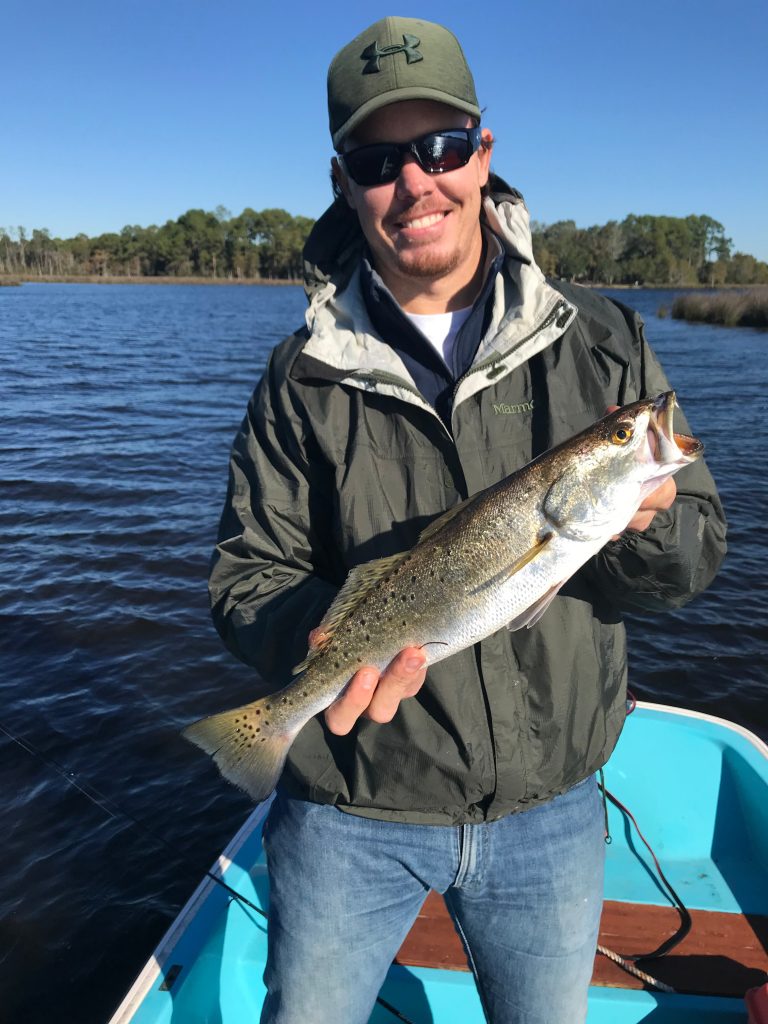
During these windows, Leake tailors his trips based on client preferences and conditions. Reef fishing becomes a go-to, especially within five miles of shore, where waters tend to stay calm ahead of the front. Red grouper, an unexpected star last Fall, have flooded every available structure, from shallow wrecks to natural bottom, with catches of 20 to 50 fish on a single trip. “I’ve never seen anything like it,” he says.
During the Front: Adapt and Stay Nearshore
As the front arrives, the game changes quickly. When you’re fishing a cold front, Leake explains that once the winds clock around to the north or northeast and start ripping at 20 to 30 mph, offshore is no longer an option. “That’s when I start focusing on sight fishing along the beach,” he says.
Here, the same winds that rough up open water actually improve visibility along the shoreline. The north wind pushes dirty water offshore, creating calm, clear conditions in the first half-mile from the beach. Leake positions his boat dangerously close to shore—sometimes nearly beached—using the wind to drift slowly away once he cuts the trolling motor. With the sun at his back and the wind helping rather than hurting, he can sight-cast to redfish, jacks, and black drum cruising the trough.

The key? Heavier jig heads. “With a 25 mph crosswind, a quarter-ounce jig won’t stay down,” Leake says. He’ll move up to a half-ounce or more to keep baits in the strike zone.
After the Front: Bluebird Skies and Strategic Moves
Post-front conditions come with their own set of challenges: high pressure, cooler temps, and persistent wind. These can shut down bites for some species but fire others up. For Leake, this is when the beach bite shines. With the north wind still holding, the water remains calm nearshore, and clear skies aid visibility. It’s a perfect time to sight-cast, even if you’re heading out later in the morning to let the chill burn off.
Redfish schools, in particular, become a prime target. “They don’t seem to mind the cold,” Leake notes, and can often be found shadowing bait pushed tight to the beach. Flounder also begin staging for their fall migration offshore, and if they haven’t flooded the passes yet, Leake expects them, especially as bait starts streaming seaward.
Adapting Gear and Tactics Across the Front
Throughout these transitions, Leake emphasizes one consistent theme: adjust. Whether he’s chasing fall-season snapper on public wrecks with ultra-light tackle or tempting flounder with short leaders and two-ounce sinkers, his success lies in matching technique to condition.
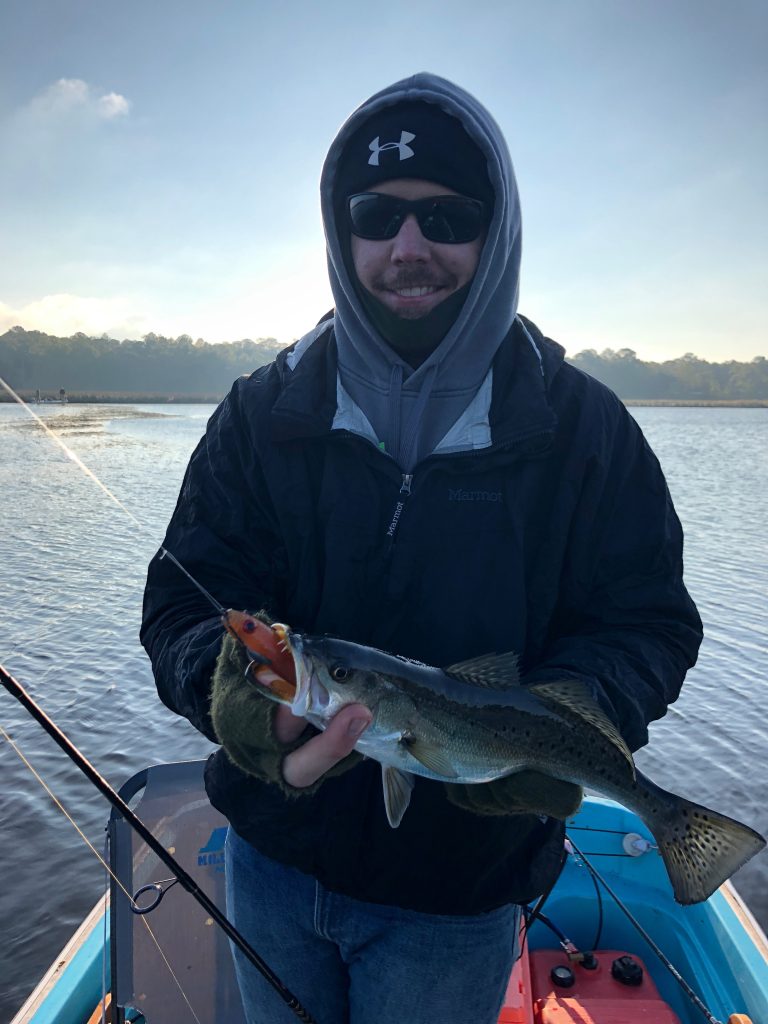
For snapper, he’s made notable changes. Fishing smaller hooks, lighter fluorocarbon, and live pilchards on a soft drag has not only increased catch rates but also altered the way fish fight. “You hook them light, they run instead of diving straight into the wreck,” he explains. And by setting up 100 to 300 feet off the structure, he avoids sharks and reduces break-offs.
He also makes a strong case for ditching the assumption that the best fish are sitting tight to structure. “Your bigger snappers are often off the wreck, not just higher in the column but farther out,” he says. By giving the fish time to find the bait rather than dropping baits directly into high-pressure zones, he creates more sustainable success.
Flounder on the Move
As bait begins migrating from the bays to the Gulf, flounder follow. Leake looks for pelicans stacking along the jetties, bait schools flashing on the surface as a sure sign that flounder are arriving. He targets them with live bait pinned to heavy leads, fished directly on the bottom under those same bait balls. “I think that “thud” of the lead hitting bottom actually helps,” he says, attracting these aggressive ambush predators.
Final Thought: Let the Wind Be Your Guide
Rather than fight the wind, Leake works with it. “Every wind direction gives you something to do,” he says. Fishing a cold front means recognizing what each phase offers, whether it’s reef fishing on the calm days before, sight-casting along the beach during the blow, or hunting flounder stacked behind bait after the front. His strategy is built on reading conditions instead of forcing a plan.
For more information or to book a trip with Captain Justin Leake, visit panamacityinshore.com.