

If you’re a surf fisherman looking for how to hook a sand flea in multiple different ways, you’ve come to the right place. These tiny crustaceans make excellent bait for a variety of fish, including pompano, whiting, and redfish. Sand fleas, also called mole crabs or sand crabs, are not biting fleas. They are small crustaceans that live in the swash zone, where waves wash up and pull back across the beach. It would seem that hooking a sand flea would be pretty straightforward, but there are a few tips and tricks that will make your bait stay on the hook longer, cast better, and be more attractive to gamefish. In this guide, we’ll go over everything you need to know to get you up to speed whether you’re fishing Pompano rigs or jigs.
What Is A Sand Flea?
On the Northwest Florida Fishing Report, I recently caught up with surf fishing guide, Weldon Hall to get his best practices for hooking sand fleas. Weldon operates Sand Flea Outfitters, a popular choice for anglers looking to get more experience surf fishing and rent surf fishing gear in Destin, Florida, and surrounding areas. Weldon is an expert surf angler, and he was kind enough to share his knowledge with us here.
Q: Weldon, What exactly is a sand flea?
A: “Sand fleas have a barrel-shaped shell and they burrow into the sand in the swash (which is the layer of water that washes up the beach after an incoming wave has broken) and use their feathery antennae to filter plankton from the incoming waves. A sand flea can hold its appendages close to its body so it can roll in the waves and where they land, they dig in for concealment with only its antennae exposed. They have five sets of legs and a “digger” which helps them to do just that and once dug in, helps them anchor. They can only move back when they are on the wet sand. They are basically immobile when they are on dry sand.”
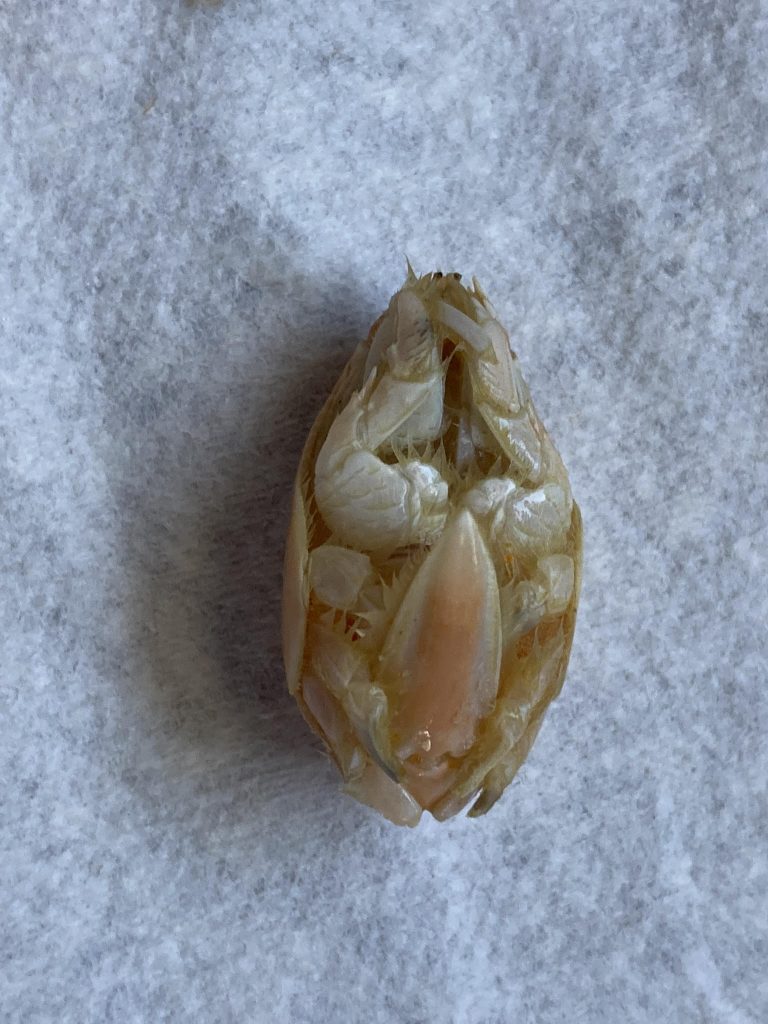
For surf fishermen, that swash-zone behavior is what makes sand fleas so useful. They are already living where pompano, whiting, redfish, and other beach-feeding fish are naturally looking for food.
Hook Size for Sand Fleas
Q: What size hook do you like for pompano and other fish you target with sand fleas?
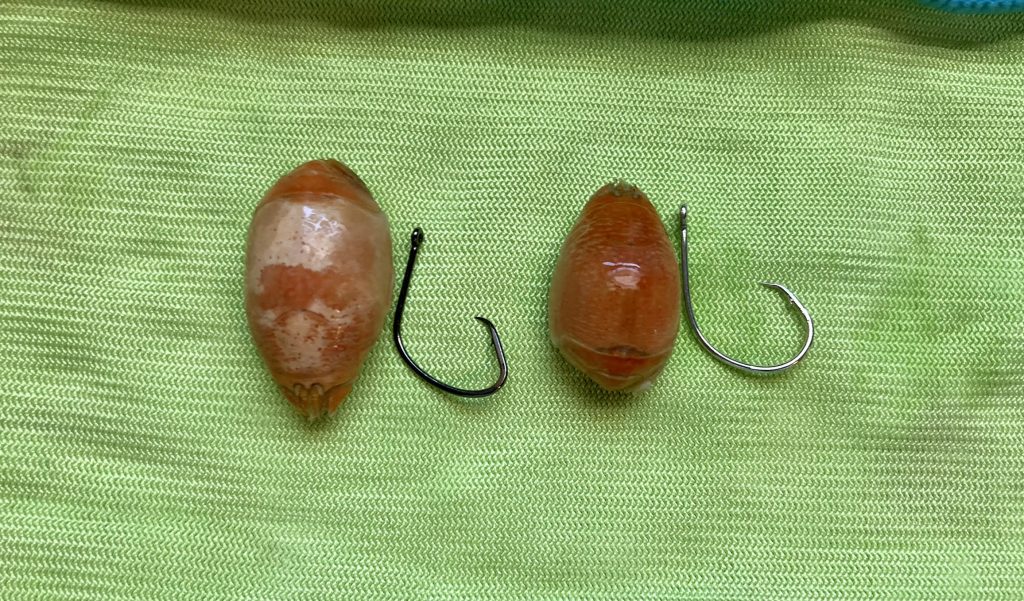
A: “My rule of thumb is that whatever the size of the sand fleas you are using you want to match your hook size to that sand flea length as closely as possible. You can use a Kahle hook or a circle hook.”
How To Hook Sand Fleas
Q: How do you like to hook sand fleas so they stay on during the cast and don’t die as quickly?
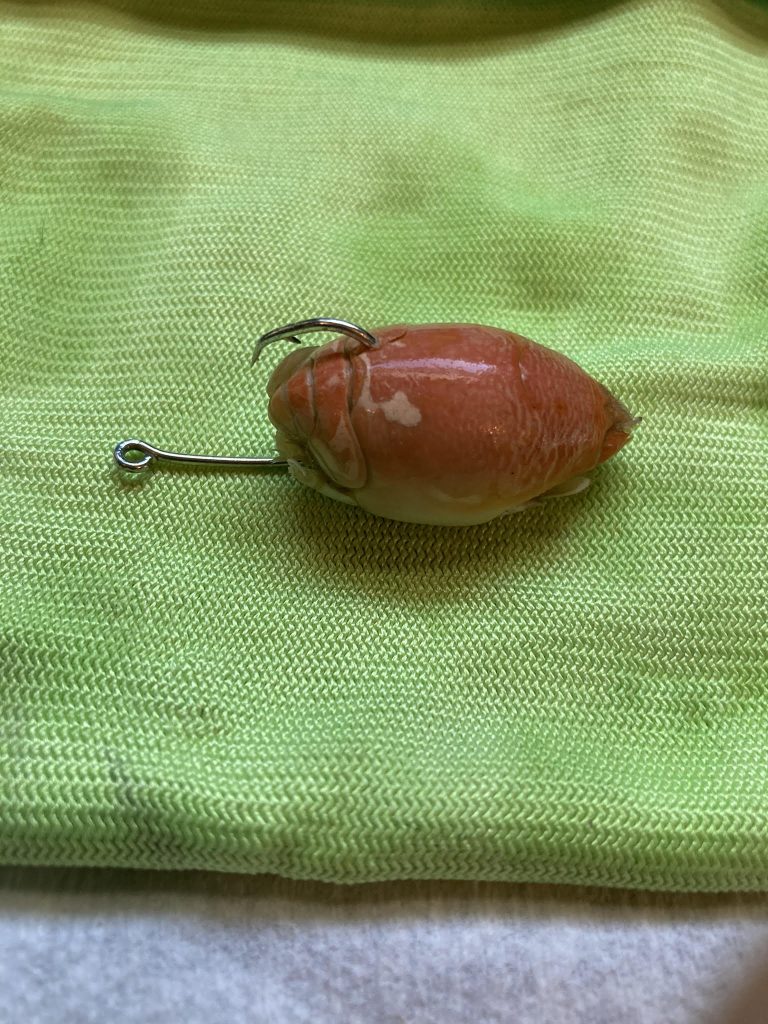
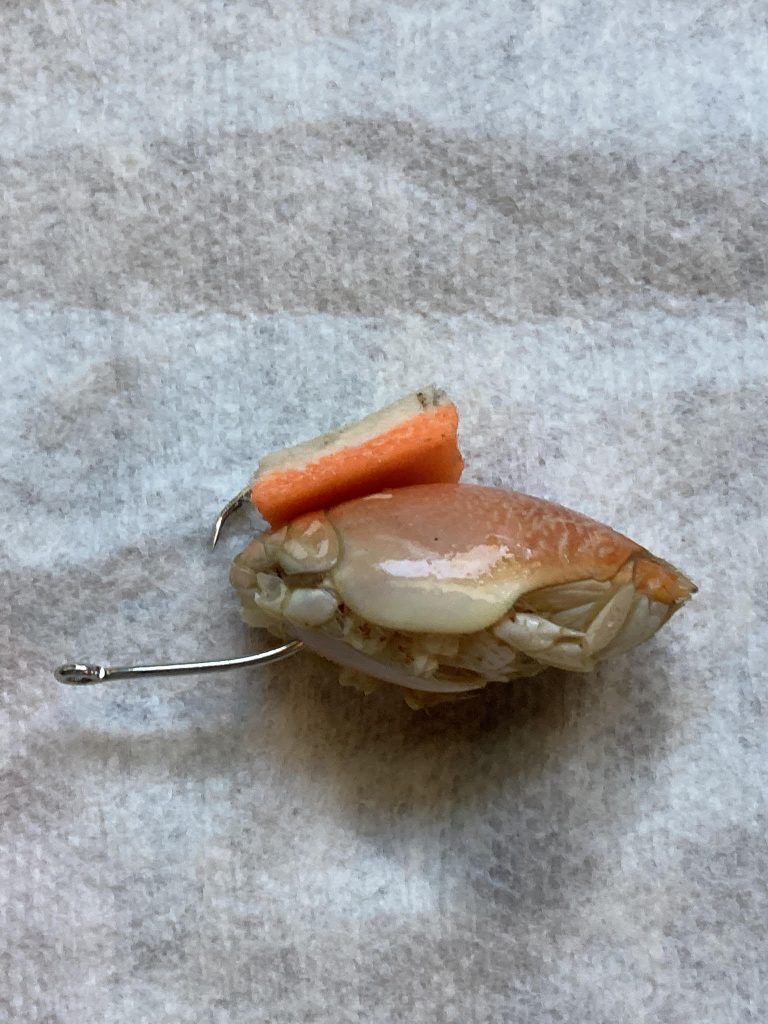
A: “I’ve found the best way to hook them and keep them on is to start at the bottom with your hook point going through the digger tail and that kind of pins them onto the hook and then you come up through the back of the shell.”
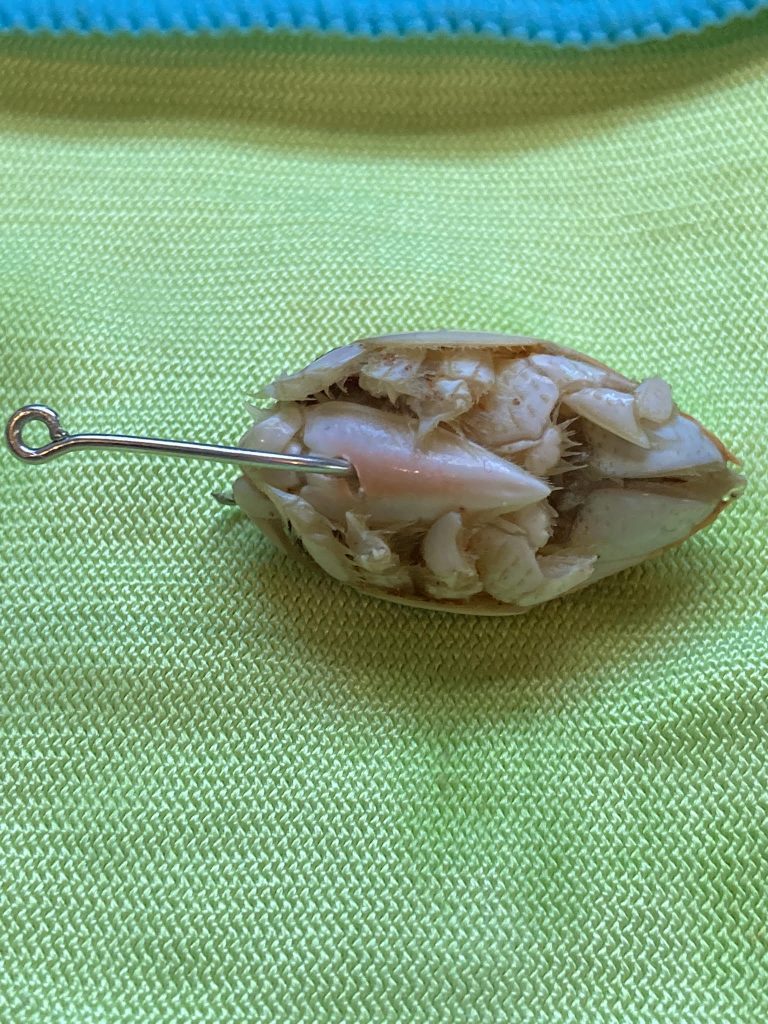
“The trick is to use a drill back and forth just to make a small hole at the point and gently ease it through. If you jam it through you will crack the shell and the bait is going to swing off almost immediately. If you can get the hook through without cracking the shell and get past the barb he will stay on.”
The key is patience. If the hook cracks the shell, the bait will usually spin, tear loose, or come off during the cast.
“I like to tip my sand fleas with a small piece of Fishbites, about the size of my thumbnail. Fishbites Fish’N Strips Sand Flea, E-Z Flea, or E-Z Crab can all help keep scent in the water. Not only will it help attract fish, but it can also help keep the sand flea on the hook. If the sand flea gets flipped off, you still have bait in the water. A little piece of orange Fishbites can also look like eggs in a female sand flea and help draw a bite.”
When To Use Live Sand Fleas vs. Fishbites
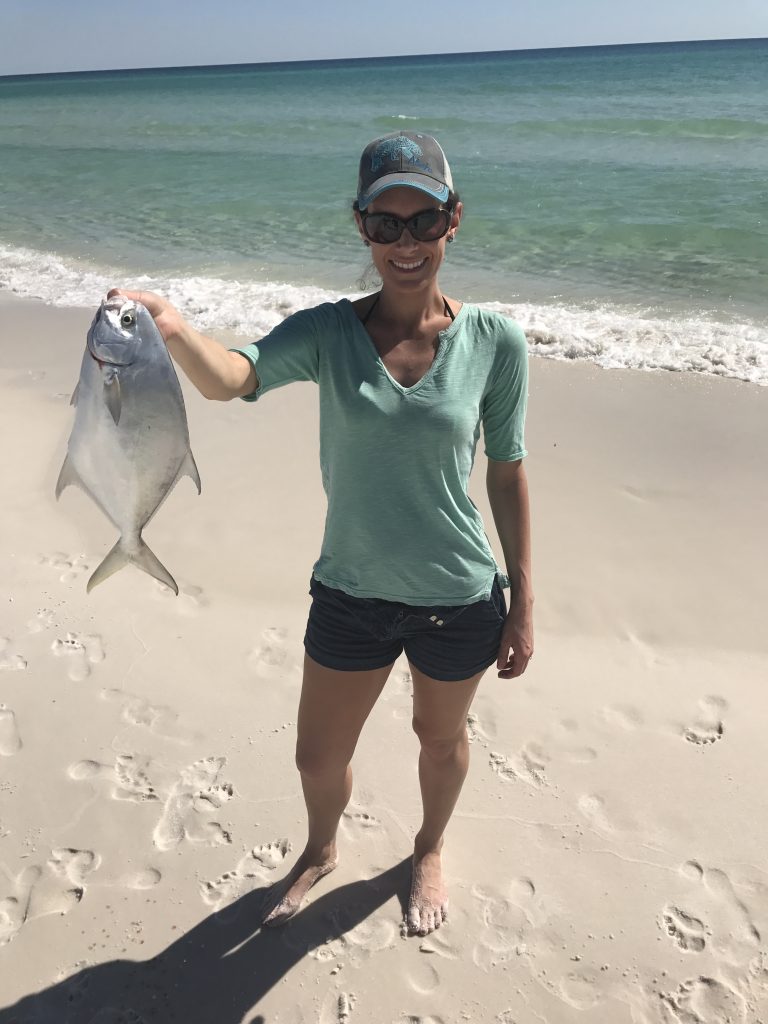
Live sand fleas are hard to beat when they are easy to find, lively, and staying on the hook. They are especially effective when pompano and whiting are feeding naturally in the wash.
Fishbites become especially helpful when sand fleas are scarce, bait stealers are thick, the surf is rough, or your natural bait keeps getting pulled off. Many surf anglers use a small piece of Fishbites with a live sand flea so there is still scent and color on the hook even if the natural bait comes off.
Pompano Sand Flea Jig
A Pompano jig is a popular fishing lure designed to mimic the movement and appearance of a sand flea, a common prey for Pompano. This type of jig typically features a lead head with a hook and a colorful tail made of feathers, silicone, or synthetic materials. To use a sand flea Pompano jig, cast it into the surf and allow it to sink to the bottom. Then, slowly reel it in, bouncing it along the sand to imitate the natural movement of a sand flea. Pompano fish are known to be attracted to this type of jig, so be ready for a strike at any moment. You can also use pompano jigs, such as Sea Striker or Bomber Nylure models, or banana-style jigs like Goofy jigs and Buccaneer Wiggler jigs, with a sand flea or a small strip of Fishbites to add scent and realism.

When choosing a sand flea Pompano jig, consider the size and color of the lure, as well as the weight of the lead head. Lighter jigs are better for shallow water, while heavier jigs are better for deeper water or strong currents. Overall, the Pompano jig is a versatile and effective lure that can help you catch Pompano in a variety of conditions. With a little practice and experimentation, you can learn to use this jig to its full potential and enjoy the thrill of catching pompano on lighter tackle than you can with set rigs. Jigs also give you the advantage of being able to cover ground on flat calm days when reading the beach is easier but you do not have the surf action to aid you in getting fish moving.
Closing Thoughts on How to Hook a Sand Flea
Along with ghost shrimp, sand fleas are excellent bait for surf fishing when they are available. There’s something gratifying about walking down to the beach and making bait with what is already there. Both are great natural baits, but if you don’t rig them correctly, they can be hard to keep on the hook.