

Smallmouth bass are renowned for their acrobatic fights and aggressive strikes—qualities that make them a favorite among anglers. But when it comes to smallmouth bass for pond stocking, especially in southern waters like those in “The Deep South,” can they truly thrive? Scott Cherones of Southeastern Pond Management has spent years exploring just that question.
The short answer: yes, with caveats.
Smallmouth in Southern Ponds: Rare, but Possible
Cherones and his team have experimented with smallmouth stocking across various southern latitudes, primarily in Tennessee, Alabama, and even as far as West Virginia. While northern locations have shown more consistent success, results in the Deep South have been more hit-or-miss.
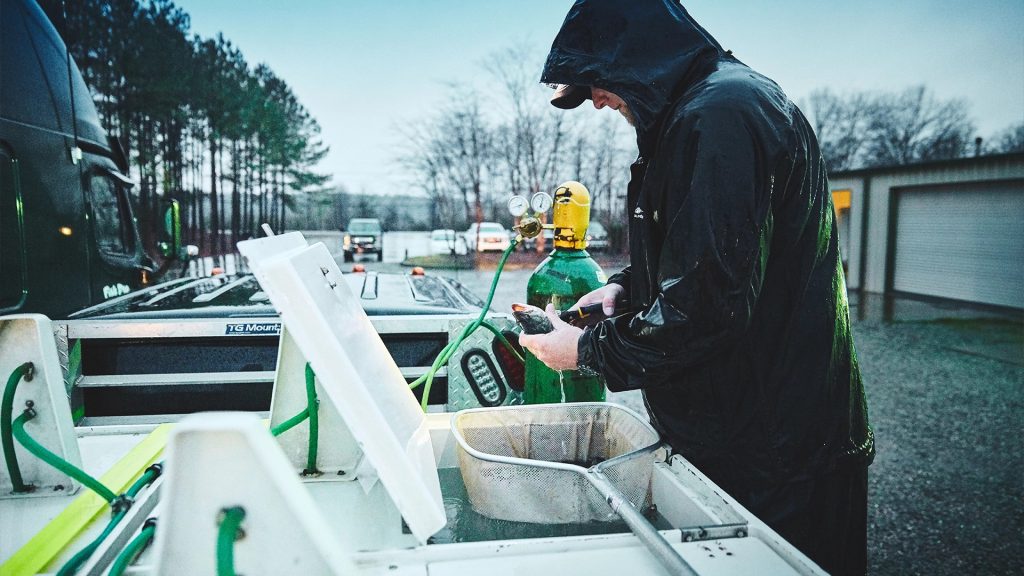
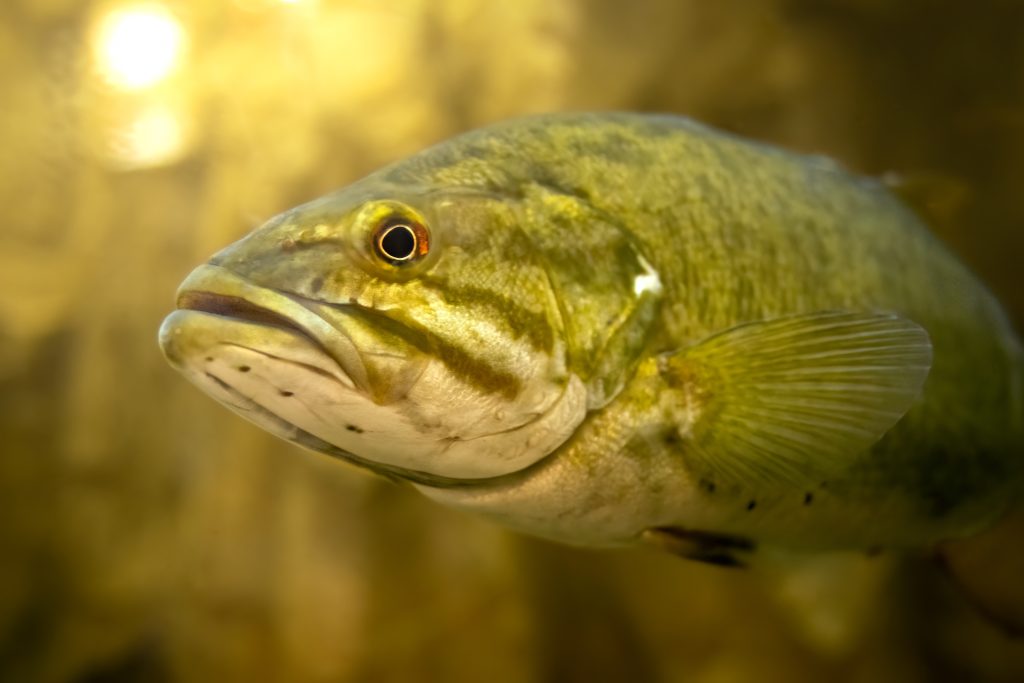
In Central Alabama, for example, smallmouth can survive and grow, but they don’t reproduce. “They don’t spawn at this latitude,” Cherones explains, “but they can grow fine. And of course, they’re still smallmouth, so when you hook one, they jump like crazy.” That feisty nature is the appeal for most landowners interested in stocking them. They’re not expecting trophies; they’re after a different kind of angling experience.
The Main Challenges: Oxygen, Heat, and Food
Oxygen levels are the single biggest limiting factor. Unlike largemouth bass, smallmouth are far more sensitive to dips in dissolved oxygen. Even a minor drop caused by a lake turnover or plankton crash can be fatal. “I’ve seen situations where a small dip didn’t bother the largemouth or bluegill but hurt the smallmouth pretty badly,” says Cherones.
Temperature, on its own, is less of a concern. Most Alabama ponds hit 90°F in the summer, but that doesn’t seem to directly kill smallmouth. However, hotter water holds less oxygen, which circles back to the main risk. In shallow ponds that warm up quickly and lack deeper refuge zones, smallmouth performance and survival rates drop.
Forage availability is another key factor. Smallmouth have smaller mouths than largemouth bass and tend to feed on smaller, more slender prey. Golden shiners, threadfin shad, and crawfish are ideal. While they’ll eat small bluegill, those quickly outgrow the size range that smallmouth can handle. Stocking a pond with bluegill alone won’t cut it.
Ideal Pond Design for Smallmouth
Cherones recommends designing ponds with deeper water, rocky or gravel shorelines, and clearer water—features that more closely resemble smallmouth bass’s native environments. These conditions are typically found in mountain valleys rather than in the flatter, muddier landscapes of the coastal South. One of the most successful smallmouth projects he’s managed was in West Virginia, where the pond had rocky banks and routinely stocked crawfish, providing both ideal structure and a high-quality food source.
If you’re planning a new pond specifically for smallmouth bass for pond stocking, aim to incorporate deeper zones that provide refuge during the hottest months, particularly where oxygen levels can drop in surface water. Shorelines should include rocky or gravel areas, which not only offer cover but also support the presence of crawfish and other bottom-dwelling forage species. Clearer water is also beneficial, as smallmouth generally prefer low-turbidity environments. However, this comes with trade-offs—clear water often means reduced plankton production, which in turn limits the overall carrying capacity of the pond. That balance between habitat and productivity is key to supporting a healthy, sustainable smallmouth fishery in the South.
So, What Does Success Look Like?
In southern climates, success doesn’t mean record-breaking fish. “A three-pounder is a big one,” Cherones says. Most smallmouth stocked below the Tennessee River will top out well below that, and without reproduction, you’re limited to the original stock unless you restock later. But for many, it’s not about size. It’s the novelty and thrill of setting the hook on a high-jumping smallmouth in a southern backyard pond.
“It’s more of a novelty addition,” Cherones emphasizes. “Something different. Cool to catch in your own lake.”
Sourcing and Cost Considerations
Logistics pose another hurdle. Quality smallmouth fingerlings or juveniles are hard to come by, especially in the South. Southeastern Pond Management sources theirs from Missouri, typically stocking 7–10 inch fish in the fall. These aren’t cheap: expect to pay four to five times more per fish than typical largemouth fingerlings.
Add in the transportation costs, and you’re looking at a significant investment. For those starting from scratch, forage fish must be stocked months in advance to ensure a stable food base before the smallmouth arrive.
Latitude Matters
If you live around the Alabama-Tennessee line or farther north, conditions get much easier. There, smallmouth can often spawn naturally, and deeper, cooler lakes are more common. Areas like the Tennessee River Valley—Florence, Huntsville, and surrounding regions—are natural fits. Head farther south, and you’re swimming upstream.
Alternatives: Spotted Bass and the “Meanmouth”
For landowners too far south to justify smallmouth, spotted bass—also known as Alabama bass—offer a viable alternative. They’re more heat-tolerant and easier to acquire. And in a few experimental cases, biologists have even stocked both smallmouth and spotted bass in the same lake hoping for a natural hybrid called the “meanmouth.” While not a formal strategy, it’s an intriguing possibility.
One caveat: spotted bass can eventually outcompete largemouth in mixed populations due to earlier spawning and aggressive fry competition. So they need to be managed thoughtfully.
Bottom Line: Know What You’re Getting Into
Smallmouth bass for pond stocking in the Deep South is possible, but it’s far from a standard operation. Success depends on a combination of thoughtful planning, the right environmental conditions, and a willingness to accept that this is more of a passion project than a production fishery. You’ll need a pond that offers sufficient depth and reliable aeration—either naturally or through a destratification system—to maintain healthy oxygen levels throughout the summer. Shallow ponds with warm, stagnant water simply won’t cut it.
Forage must be carefully considered as well. Since smallmouth aren’t as well-suited to feeding on deep-bodied prey like bluegill, you’ll need to ensure the presence of smaller, more slender food sources such as threadfin shad, golden shiners, or even crawfish. Stocking forage ahead of time—ideally several months before introducing the bass—is critical to giving the smallmouth a stable food base.
Most importantly, pond owners should enter the process with realistic expectations. In southern climates, smallmouth won’t spawn, and they won’t reach the sizes seen in cooler, northern waters. Instead, think of them as a novelty—an exciting, hard-fighting fish that adds diversity and fun to your fishing experience. The cost will be higher than traditional largemouth stocking due to the need for larger, transported fish from out of state, but for those who want something different, the experience might be well worth it.
“It’s just not something we do a lot of—yet,” Cherones says. But with some experimental lakes showing promise, that could change in the future. For now, smallmouth remain a niche option for southern pond owners who want something unique—and don’t mind working for it.