

What the bass in your pond or lake eat, and how much they eat, determines how fast they grow. You can grow bass at a rate of 3 pounds per year so you can grow a 9-pound bass in your lake or pond in three years but to reach that goal isn’t cheap. We wanted to know how this was possible so we talked to Norman Latona of Southeastern Pond Management, whose business services lakes and ponds all across the southeastern U.S, about choosing the right pond fish food.
“We lime lakes, do electrofishing and supply fish, fish-food feeders, aerators and fountains, and conduct pond-vegetation-control work,” Latona explains. “Our company specializes in anything related to a manmade pond or lake.”
Just as choosing and feeding the best food is essential for human body growth, so is selecting the right pond fish food to produce the biggest bass in your pond.
“We refer to this fish food as supplemental feeding,” Latona says. “Feeding fish is not meant to be a substitute for their normal diet. I compare fish food to body builders taking supplemental protein. Supplemental feeding is food that makes eating and growing easier for the fish. It’s a tool to grow fish faster. Supplemental feeding can make a real difference in how big of a fish, including bass, you can grow in a certain time period.”
Latona mentions that some people intensively manage the fish in their private ponds or lakes. These fish learn to count on that supplemental food. Also some folks use supplemental feeding to attract fish to a certain place where they can catch them easier.
What About The Quality Of Fish Food
A fish food’s protein content determines the quality of that fish food you’re feeding. The higher the protein level in the food you feed, the more effective it is in growing fish. Most supplemental feeding of pelleted fish food is intended to feed forage fish – the fish on which bass feed – like bluegills. Some bass will eat pelleted fish food, but most bass won’t. Bass are natural-born predators, and they’re not really interested in eating a pellet ration.
As Latona reports, “With pelleted fish food, we’re feeding the bream on which the bass feed. Growth and abundance of the bass in a pond are dependent on the growth and the abundance of the bream present. If you can increase the growth rate of the bream and their abundance, you can increase the size of the bass in a pond or lake.”
Latona names the AquaMax fish food, a floating product in a 3/16-inch extruded pellet made by Purina, as his first choice for feeding bluegills. Developed by professional nutritionists with the help of fish experts, this food provides an easily-digestible, high-energy, nutrient-dense diet with excellent conversion rates.
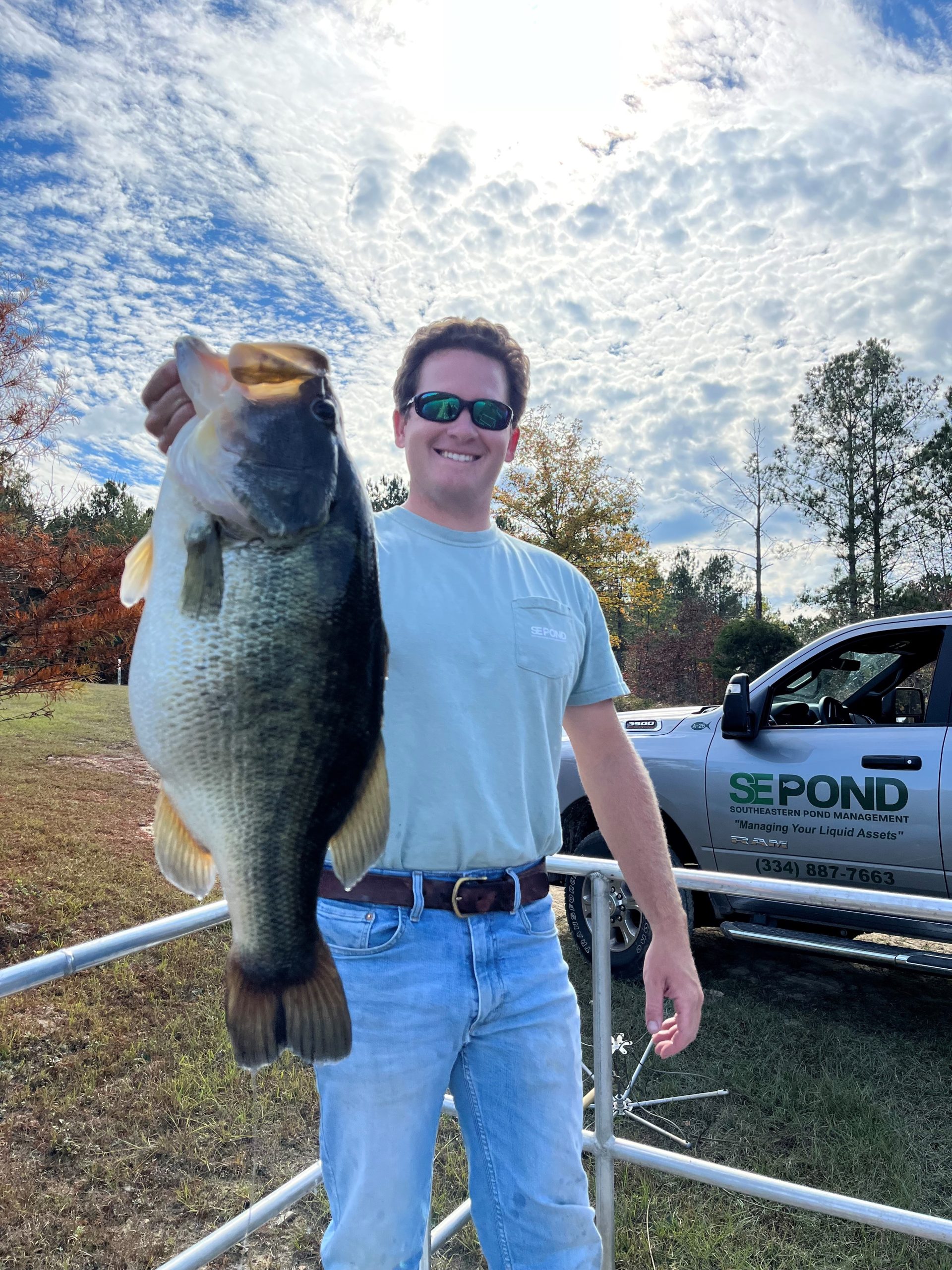
“The floating catfish food that’s 32% to 34% protein attracts forage fish and gives them some supplemental feeding” Latona reports. “That’s what the majority of people who own private ponds and lakes use. However, the people who are really serious about growing big bass will want to feed something like AquaMax from Purina, which is 50% protein. Then their forage fish will grow much quicker. But, as you may suspect, the price of that food is much higher.
“If you feed 10 pounds of fish food per acre per day, you’ll get a really-good result. However, some folks want to feed only a pound of fish food per acre per day. You can determine how big you want your bass to grow by how many pounds of high-protein food you feed the forage fish.” Latona’s company has some ponds and lakes that feed high-protein fish food supplementally year-round. When his company’s biologists survey those lakes by electrofishing and compare those lakes to other lakes, the difference in the size of the bass is dramatic. The lakes of people who are feeding high-protein fish food to the forage fish, will hold numbers of 18- to 24-ounce bluegills – a really-big bluegill. Any bream weighing more than a pound is considered a truly large bluegill. But in the lakes where pond owners are feeding high-protein fish-food ration, those size bluegills are common. In ponds that don’t have a year-round feeding program, a big bream generally weighs 8 to 10 ounces.
“We’ve learned that when bluegills produce more eggs, more offspring and more food for bass, the bass grow quicker,” Latona says. “Once you increase the amount of bluegill production, you’re accelerating the bass’s rate of growth.”
Latona calls bluegills reproductive factories for bass. Bluegills spawn multiple times a year, once they’re 3 – 4 inches in length. “The faster those small bream grow to 3 – 4 inches, which means they’re sexually mature, and the more of those size bream you have in your pond or lake, the more forage you’re producing for those bass. Improved genetics in bass and a balance of liming and fertilization for the pond have helped pond owners to grow bigger bass quicker. We like SportMax Water Soluble Pond Fertilizer.
“Growth rates of 3-1/2 to 4 pounds of growth rate per bass per year can be seen. Some 2-year-old bass may weigh 6 pounds, and some 3-year-old bass may tip the scales at 9+ pounds. These bass are superior bass.”
What Happens If You Eat The Big Bluegills
The typical fish food that most pond owners feed generally will provide only about 40% protein. A very-high protein fish food for pond owners interested in maximizing the growth rate of their bass is about 50% protein but is more costly.
“Many of Southeastern Pond’s customers have transitioned into choosing high-protein fish food,” Latona reports.
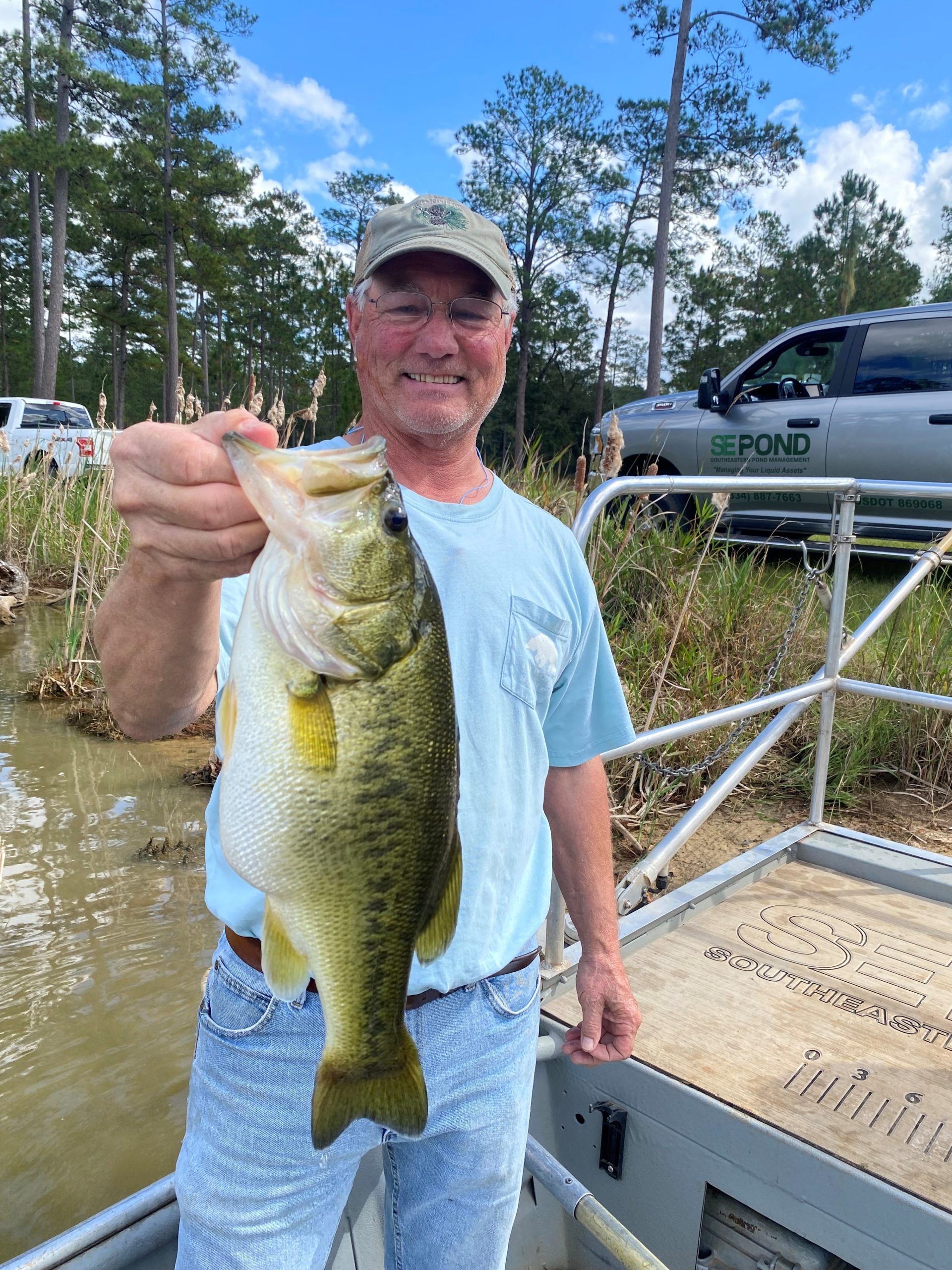
There’s a temptation when you’re feeding high-protein fish food to want to catch some of those big bluegills for the dinner table. When a bluegill gets to be 10-inches long, very few bass in a pond can eat a bluegill that big. Bass can’t get their mouths around those big bream. Those big bluegills are your brood stock and produce the offspring bass can eat. So, you’ll decrease the amount of forage fish you have for the bass, if you heavily harvest those big bluegills.
Typically, folks won’t damage the bluegill population by taking enough bluegills occasionally to eat for supper. However, if you catch a large number of big bluegills every week and each month, you’ll deplete the number and size of forage fish that are helping to feed the bass. But most fisheries biologists think you usually won’t have a negative effect on the bluegill population by taking 10 – 12 big bream with hook and line for a fish fry sometimes.
What Bass To Stock That Grow Fastest
Latona explains that most of the bass Southeastern Pond Management is stocking in most ponds and lakes today are F1 hybrids – a cross between the Florida strain of largemouth bass and the northern strain of largemouth bass. That’s been the trend of bass being stocked for about the last decade. Research has shown that the Florida bass live longer and grow bigger than the northern strain of bass, but research also shows the Florida strain of bass is much-more difficult to catch, especially with artificial lures. Fish breeders have combined the best traits of both strains of bass to produce this F1 hybrid.
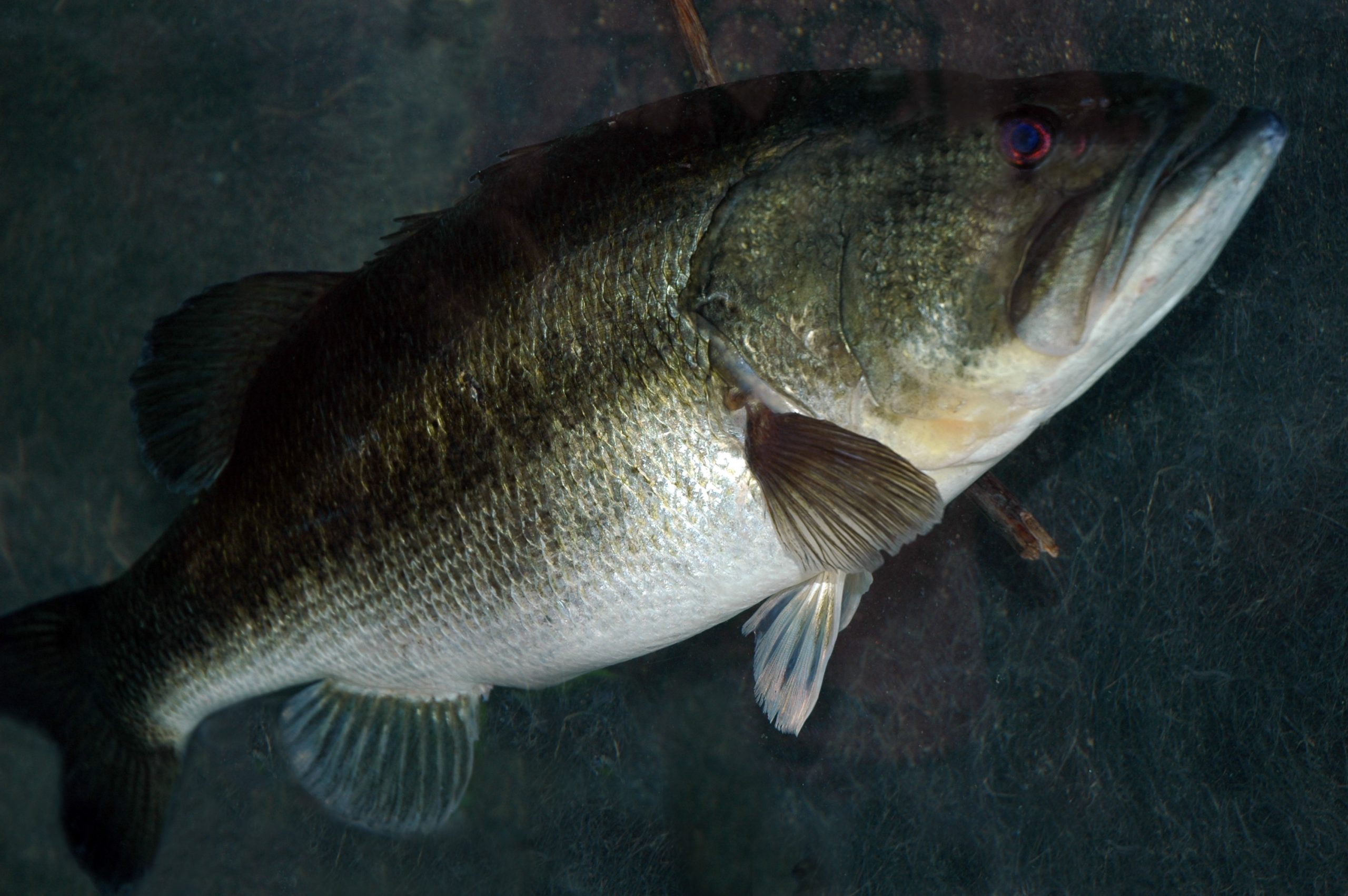
According to Latona, “The bass we’re stocking in ponds and lakes today now offer much-more promise of bigger bass quicker than the bass we were stocking 20-years ago in ponds. Most of our customers want quality-size fish in their ponds, which will be a bass that’s 16 – 20 inches and may weigh 4 – 8 pounds or more. Some of our customers tell us, ‘We want to catch a 5- or a 6-pound bass every time we go fishing. We want to catch numbers of quality-size fish.’
“That’s where the improved genetics of bass that we’re stocking have made such a tremendous difference, and how supplemental feeding of the forage fish can help those pond owners improve the quality of the bass in their ponds and lakes quicker. But you’ll also have to include the costs of fertilization, liming and vegetation control to grow bass that size.”
Why Stock Other Foods That Help Pass Grow Faster
In many lakes, Southeastern Pond Management stocks shad and golden shiners to give the bass a buffet table of food to choose from or to eat every day any time they want something to eat.
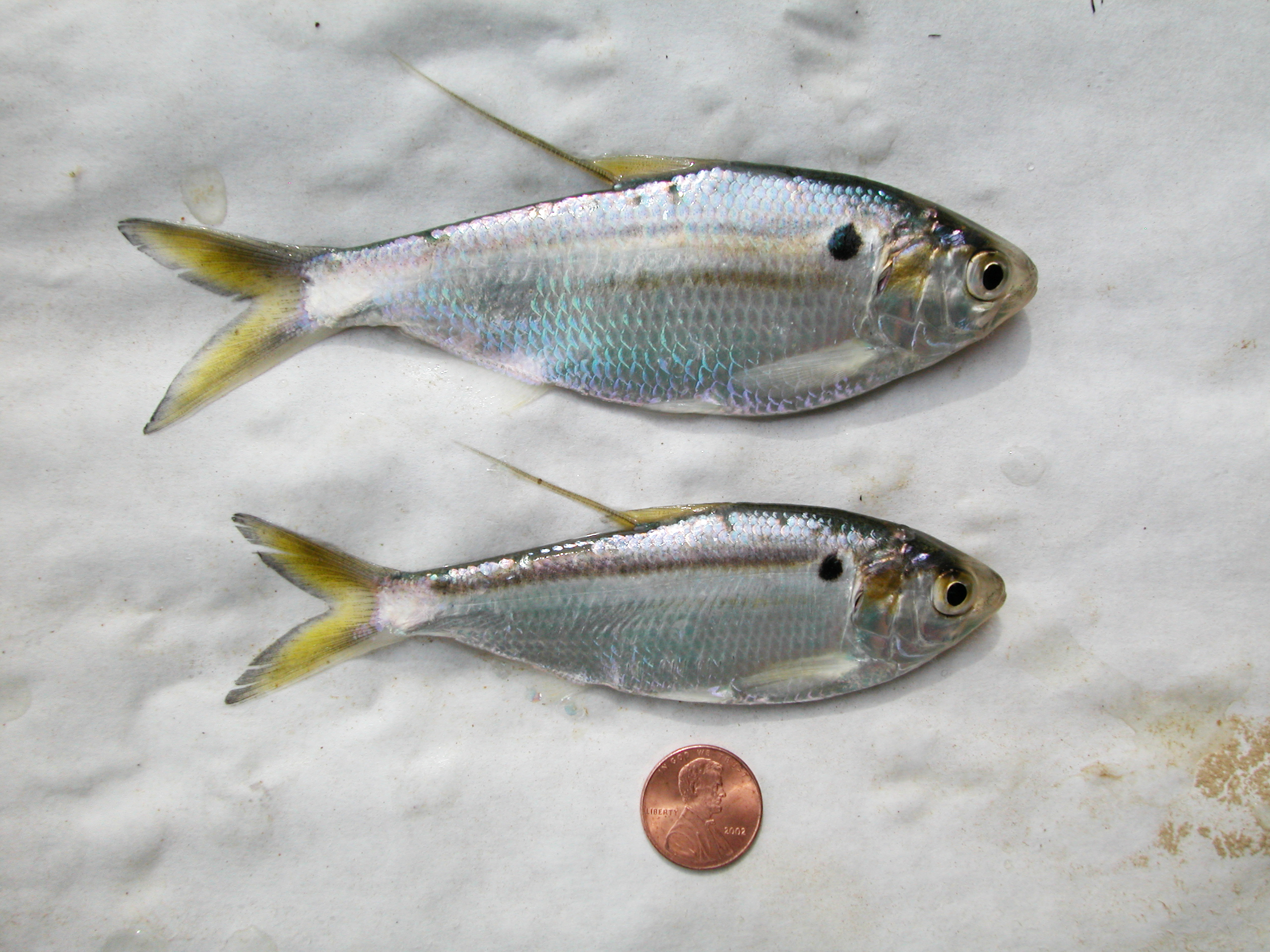
Latona explains, “Largemouths are cold-blooded animals. If there’s an absence of food, they don’t swim around and look for food to eat. We’ve had some people tell us, ‘If we put all this bass food in our lake, we think our bass will be harder to catch.’ However, cold-blooded animals like bass, just don’t eat when there’s a lack of food. Instead, they’ll sit in one place and not do anything.
“But if there’s a lot of food in the water for them to eat all year long, they’ll eat all the time, grow bigger quicker and are easier to catch. An abundance of food in a pond all year long means the bass feed more actively, making them easier to catch due to the abundance of forage.”
Supplemental feeding with pelleted food for forage fish, stockings of golden shiners and shad, liming, fertilizing and vegetation control are all treatments that the Bass Doctor, Norman Latona, knows can be done to your pond that are designed to create more forage fish for bass to eat all year long and grow bigger.