
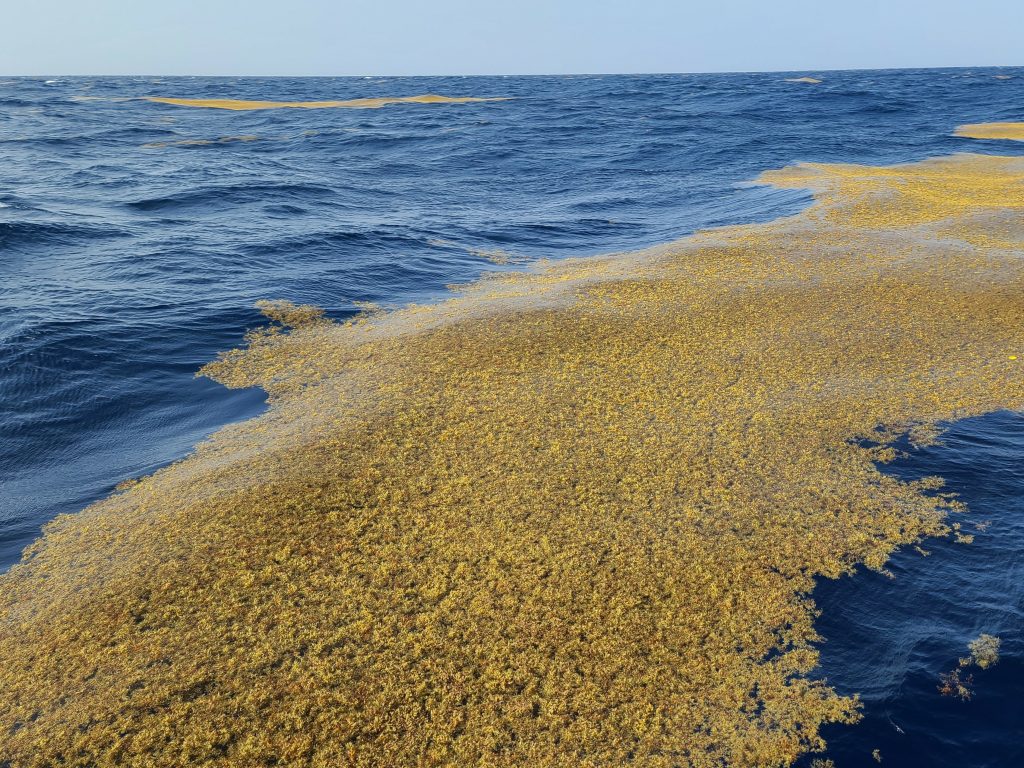
A sargassum map is an essential tool for offshore anglers, helping track floating mats of sargassum that serve as thriving ecosystems teeming with life. These drifting habitats attract baitfish and juvenile game species, creating ideal feeding grounds for pelagic predators like mahi-mahi, wahoo, and marlin. Understanding how to locate and fish around sargassum using detailed maps can significantly improve an angler’s success.
Modern technology, such as Hilton’s Realtime Navigator, has revolutionized offshore fishing by making it easier than ever to track sargassum movements. Hilton’s maps provide real-time tracking of these floating habitats, giving offshore anglers a valuable tool for planning their trips. One of the most trusted resources for sargassum tracking, Hilton’s Realtime Navigator’s Offshore Charts, offers detailed satellite imagery and oceanographic data, helping fishermen find productive waters with precision.
What Is Sargassum and Why Does It Matter to Pelagic Species?
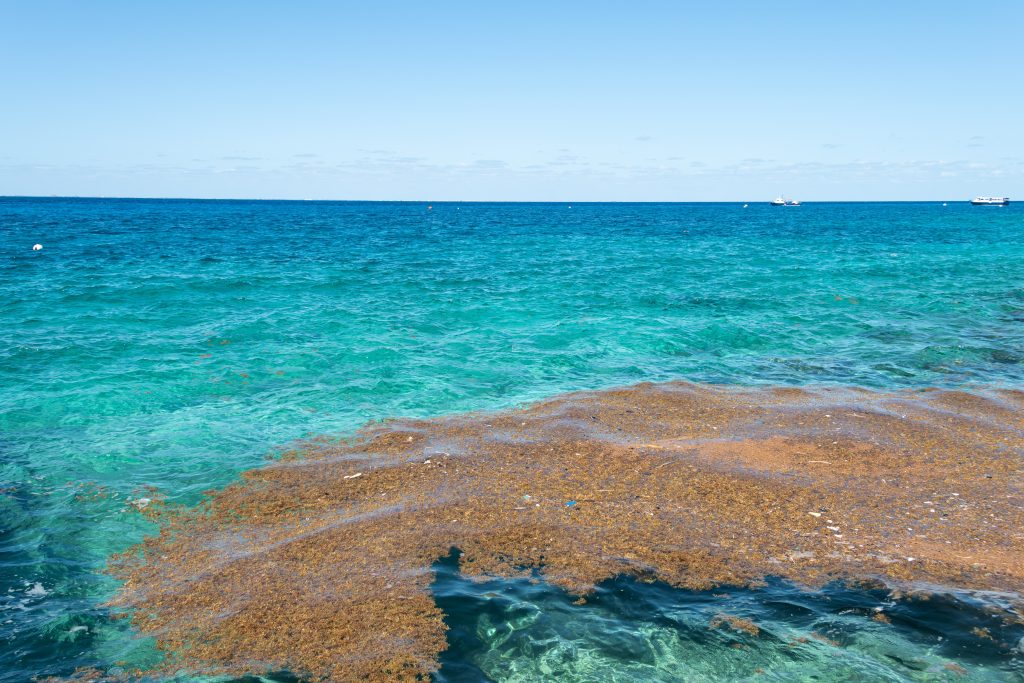
Sargassum is a free-floating, yellowish-brown seaweed that drifts across the ocean’s surface, sometimes breaking into small patches and other times forming expansive mats. These mats serve as critical habitats for baitfish, shrimp, and small crustaceans, which in turn attract larger pelagic predators.
For species like mahi-mahi, tripletail, wahoo, and marlin, sargassum acts as both a feeding ground and cover, concentrating prey in one location. The movement of sargassum is dictated by ocean currents, wind patterns, and seasonal changes, making its presence dynamic and ever-changing. Anglers who track these changes gain a distinct advantage. Those using Hilton’s Realtime Navigator with satellite imaging can stay ahead of the game and fish with unmatched precision.
Understanding Sargassum Maps
A sargassum map is a specialized tool that uses satellite imagery and oceanographic data to track the movement and density of sargassum mats. Hilton’s Offshore Charts provides high-resolution sargassum tracking, integrating real-time updates with overlays of crucial ocean data, such as sea surface temperatures and chlorophyll levels.
One of the key advantages of Hilton’s Offshore Charts is its real-time satellite imaging, which ensures anglers have the most up-to-date information on sargassum locations. The charts feature color-coded overlays that indicate sargassum density and movement, allowing fishermen to quickly identify the most productive areas. In addition to tracking sargassum, these maps integrate oceanographic data, offering deeper insights into fish behavior by showing where baitfish are likely to congregate. The user-friendly interface makes map interpretation and trip planning straightforward, helping anglers make data-driven decisions with ease. By analyzing the color-coded density indicators and layering them with additional data points, fishermen can pinpoint the best fishing zones.
How to Use Sargassum Maps for Pelagic Fishing
Using sargassum maps effectively requires a strategic approach. First, anglers should check recent sargassum maps to find the densest, most stable areas. These zones often hold the most fish. Next, they should review ocean conditions using overlays for sea surface temperature and currents. This helps predict where pelagic species are likely to be. Wind and currents also matter. Baitfish often gather on the leeward side of sargassum mats, making those spots ideal for fishing. Since sargassum shifts with currents and winds, staying updated on real-time changes is essential for maximizing efficiency on the water.
Fishing Techniques Around Sargassum
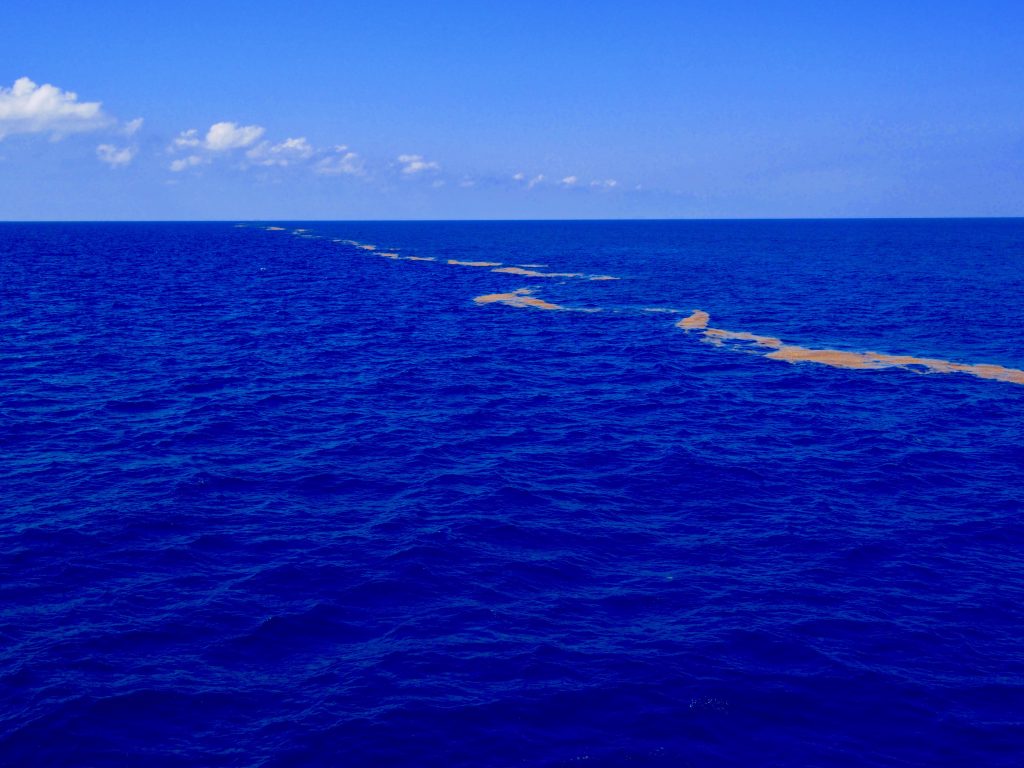
Once anglers locate sargassum using mapping technology, employing the right fishing techniques can make all the difference. Trolling along the edges of sargassum mats with rigged baits or lures is a proven method for targeting species like mahi-mahi and wahoo. Casting lures can also be highly effective, particularly surface-feeding fish, which respond well to poppers such as the Yo-Zuri Bull Pop or Yo-Zuri Mag Popper.
Jigging is another productive technique, with an array of jigs available from sources like JohnnyJigs.com. Soft plastic swimbaits also work well, with larger baits like Z-Man Fishing Products’ Mag SwimZ and NLBN baits paired with Eye Strike Fishing Products’ DieZel Eye jigheads proving effective. For smaller species, downsizing to a 3” MinnowZ can yield great results.
When artificial lures and jigs fail, live bait is an excellent alternative. Chumming with live or dead bait can draw fish out of the sargassum, increasing the chances of a successful catch. Trolling live bait along the edges of sargassum mats, as identified on Hilton’s Offshore Charts, is another effective approach. Some of the best live bait options include shrimp, pilchards, mullet, and menhaden, all of which are highly attractive to pelagic species. Since sargassum mats shift with wind and currents, adaptability is key. Staying mobile and adjusting tactics based on fish activity will lead to greater success.
Conclusion
Sargassum maps are game-changers for offshore anglers looking to maximize their efficiency and success. By leveraging satellite data and real-time tracking from Hilton’s Offshore Charts, fishermen can pinpoint productive fishing areas with precision.
For those serious about improving their offshore game, exploring Hilton’s Offshore Charts is a must. With unparalleled accuracy and real-time updates, this tool provides a competitive edge in the ever-changing offshore environment. Visit Hilton’s website today to subscribe and start planning your most productive fishing trips yet.